Woodworking is a great hobby, but for beginners, having the right tools is essential. Power tools can help you tackle various woodworking projects with ease, simplify complex tasks, and reduce physical effort.
In this article, we’ll introduce some power tools that are perfect for beginner woodworkers, helping you get started more efficiently on your woodworking journey.
Cordless Drill
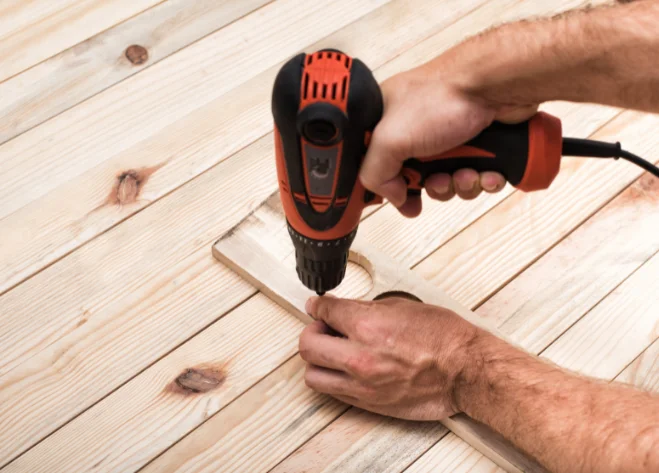
For many, the first tool they invest in when starting woodworking is a cordless drill. It’s an essential item in any woodworking toolbox, perfect for drilling holes and driving screws. It’s incredibly convenient and versatile, especially in areas where there’s no access to power outlets. With a cordless drill, you can easily complete tasks like drilling and screwing anywhere.
When choosing a cordless drill, it’s important to consider battery life and charging time to ensure it meets your needs. Look for a drill with multiple speed settings and adjustable torque, allowing you to control the force for different materials.

Table Saw
A table saw is often considered the most essential and versatile power tool in any woodworking shop, especially for larger projects. It can make incredibly precise rip cuts (cutting along the wood grain) and cross cuts (cutting across the wood grain). Table saws are perfect for cutting plywood, hardwood, and even making angled cuts.
For beginners, a compact or benchtop table saw might be a good choice, as it balances power and portability. Make sure the saw has an adjustable fence for accurate wood guidance, and always use a push stick to protect your hands from the blade.
Impact Driver
When working on woodworking projects, driving screws and fastening parts is an unavoidable task, and the impact driver is an indispensable tool. While an electric drill can be fitted with a screwdriver bit to occasionally drive screws, the impact driver generates quick bursts of torque, making the work faster, more efficient, and more precise.
Look for a model that is lightweight and features adjustable torque settings. This allows you to control the power, preventing over-tightening or damaging screws. The compact size of the impact driver also makes it perfect for tight spaces where larger tools may not fit.
If you want to speed up your project and reduce hand strain, investing in an impact driver is a must.
Jigsaw
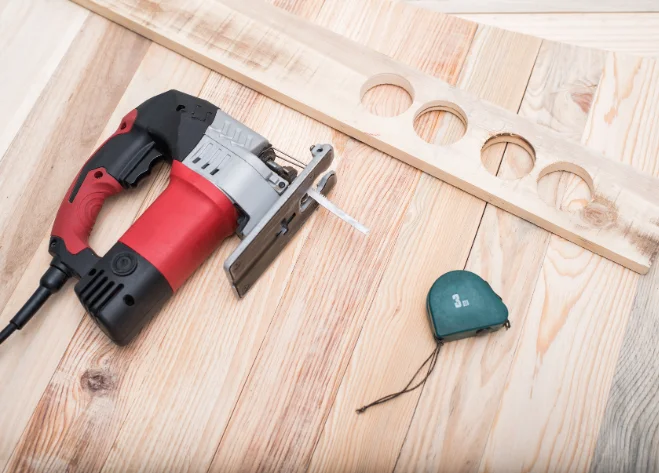
A jigsaw is one of the most versatile tools in any beginner’s woodworking toolkit. It’s ideal for making curved and intricate cuts, especially when you need to cut irregular shapes in wood, like custom furniture designs or decorative pieces.
When choosing a jigsaw, it’s important to select one with variable speed settings so you can control the cutting process. Additionally, make sure the jigsaw has an easy-to-change blade system so you can switch out blades depending on the material you’re cutting (wood, metal, or plastic).
Woodworking Router
If you want to add decorative edges, cut grooves, or hollow out wood for inlays, a router is your go-to tool. Whether you’re carving detailed designs on a tabletop or shaping the edges of cabinet doors, a router will elevate your woodworking projects to a new level of craftsmanship.
If you’re working with intricate details, a plunge router might be more suitable, as it allows for precise control over your cuts.
Sander
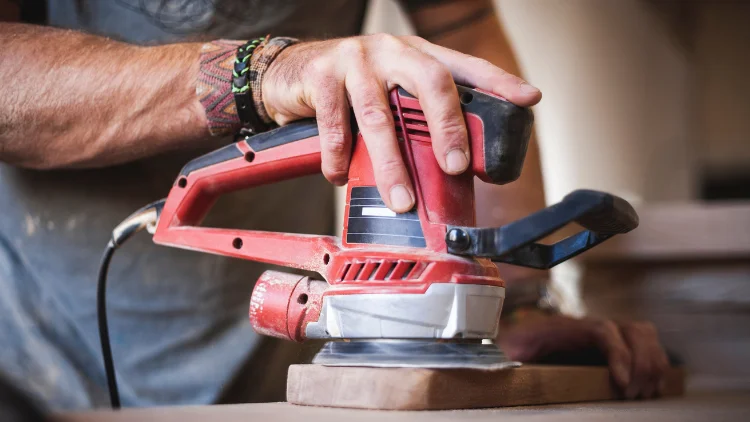
Sanding is an essential step in fine woodworking projects. Compared to manual sanding, a sander can finish in minutes what would take hours by hand, offering smoother, more even results while saving time and effort. Manual sanding, on the other hand, requires a lot of experience and skill.
Whether you’re restoring old furniture or building new woodworking projects, a sander makes the job easier. Plus, most sanders come with dust collection features to keep your workspace clean, and adjustable speed settings make it easy to sand different materials and achieve the best finish.
Conclusion
If you’re just starting out with woodworking, you can begin with a cordless drill, circular saw, and sander. These power tools will serve as your foundation and cover a wide range of tasks. As you gain experience, you can gradually expand your tool collection.
FAQ
What Safety Precautions Should I Take When Using Power Tools for Woodworking?
Always wear safety goggles, hearing protection, and a dust mask to protect yourself from debris, noise, and fine wood dust. Ensure your workspace is clean and well-lit, and always follow the manufacturer’s instructions for each tool. Use push sticks or safety guides when working with saws to prevent accidents. Additionally, wear appropriate clothing and avoid loose garments that could get caught in the tools.
What Is the Difference Between a Router and a Jigsaw?
A router is used for shaping edges, carving details, cutting grooves, or hollowing out wood, making it perfect for decorative work and precision edge treatments. A jigsaw, on the other hand, is ideal for making curved cuts or cutting irregular shapes in wood, such as custom furniture pieces or decorative items. While the router excels at detailed work, the jigsaw is best for complex cuts or angles, especially for curved designs.
What Should I Look for in a Power Sander?
When choosing a power sander, consider the type of sanding pad (orbital, belt, etc.), the power (measured in watts or horsepower), and whether it has a dust collection system. Adjustable speed settings and an ergonomic design are also crucial for comfort and versatility when working on different materials. Belt sanders are great for large surface areas, while orbital sanders are ideal for achieving a smooth, even finish.
What Is the Advantage of a Plunge Router over a Fixed Router?
A plunge router allows you to start your cut in the middle of a piece of wood, making it perfect for hollowing out or creating grooves. It provides more control for detailed cuts. A fixed router, however, is better for edge work and offers stability when making precise, shallow cuts along the edges of wood.
What Is the Best Type of Wood for Beginners to Work With?
For beginners, softwoods like pine, cedar, and fir are great choices. They are easier to cut, shape, and sand compared to hardwoods, and they are generally more affordable and accessible. Once you become more comfortable, you can try working with hardwoods like oak or maple, which are more challenging but offer a more polished finish.