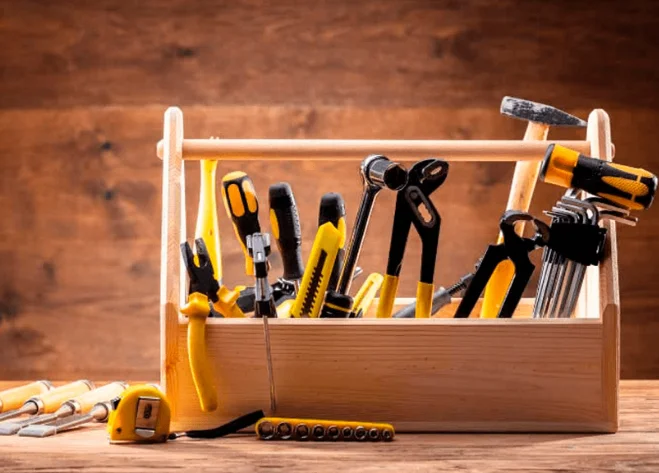
Both the impact driver and drill are essential tools for home repair or renovation projects. They may look similar, but they have significant differences in terms of their uses, performance, and features. Today, we will explore these two tools in-depth and help you understand which one is best suited for different tasks.
Key Differences Between Impact Driver and Drill
Impact Driver: High torque rotation + axial impact force, specifically designed for driving screws/bolts (not suitable for drilling).
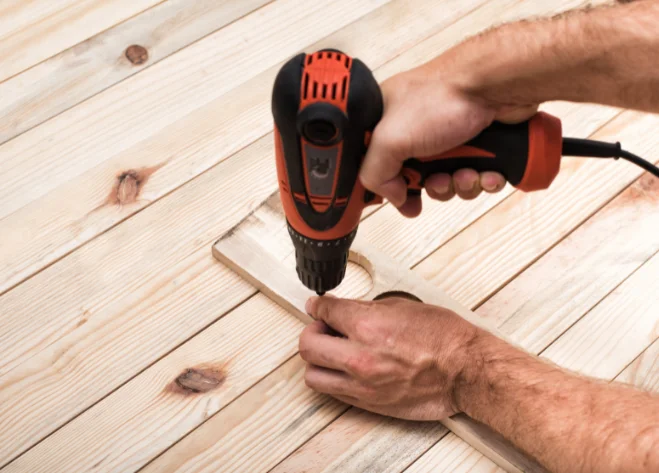
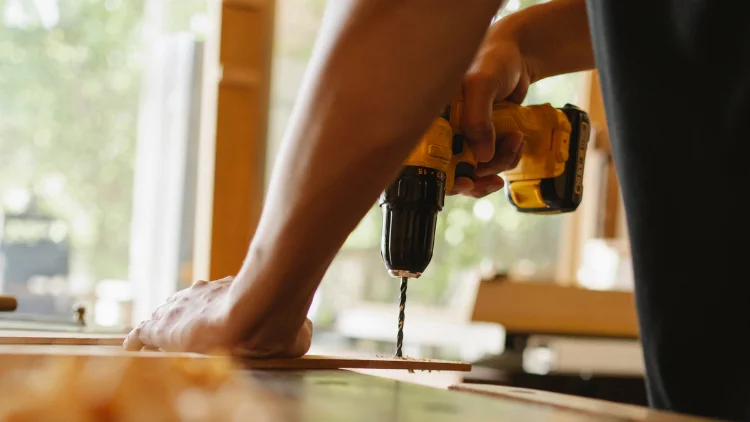
Drill: Pure rotational power, great for precise drilling, adjustable torque for light screw driving.
In simple terms, the impact driver focuses on “power” and is ideal for tasks that require high torque and strong driving force, especially when fastening screws and large bolts. The drill, on the other hand, emphasizes precision and is especially suited for drilling and fine screw driving tasks.
Summary of Differences
Power Mechanism: The drill uses pure rotational force, while the impact driver combines rotational force with axial impact.
Core Uses: The drill is primarily used for precise drilling and is ideal for both soft and hard materials. The impact driver is specialized for driving long screws and large bolts.
Precision Control: The drill offers higher precision, allowing for better control over hole depth and placement. While the impact driver is efficient, it is less focused on precision.
When to Use a Drill
The drill is the go-to tool for home improvements, furniture assembly, and other precision tasks due to its high precision and adjustable torque. Its rotational power enables it to handle various drilling tasks quickly, whether it’s wood, metal, plastic, or other materials.
Suitable Tasks:
- Drilling Wood, Metal, and Plastic: The drill is highly effective for drilling these materials, making it great for DIY home projects and everyday repairs.
- Furniture Assembly and Hook Installation: With the right bit, the drill makes it easy to drive light screws, making it perfect for everyday household maintenance.
Advantages:
- Adjustable Torque: The adjustable torque feature of the drill is excellent for avoiding over-tightening, especially when working with fragile materials like tiles.
- Versatility: The drill can do more than just drilling—by switching attachments (such as screw bits), it can also be used for sanding, stirring paint, and more, making it a highly versatile tool.
Attachment Tips:
- Wood: Use a twist bit to quickly drill standard holes in wood.
- Metal: Choose cobalt steel bits for drilling hard metals, offering longer durability.
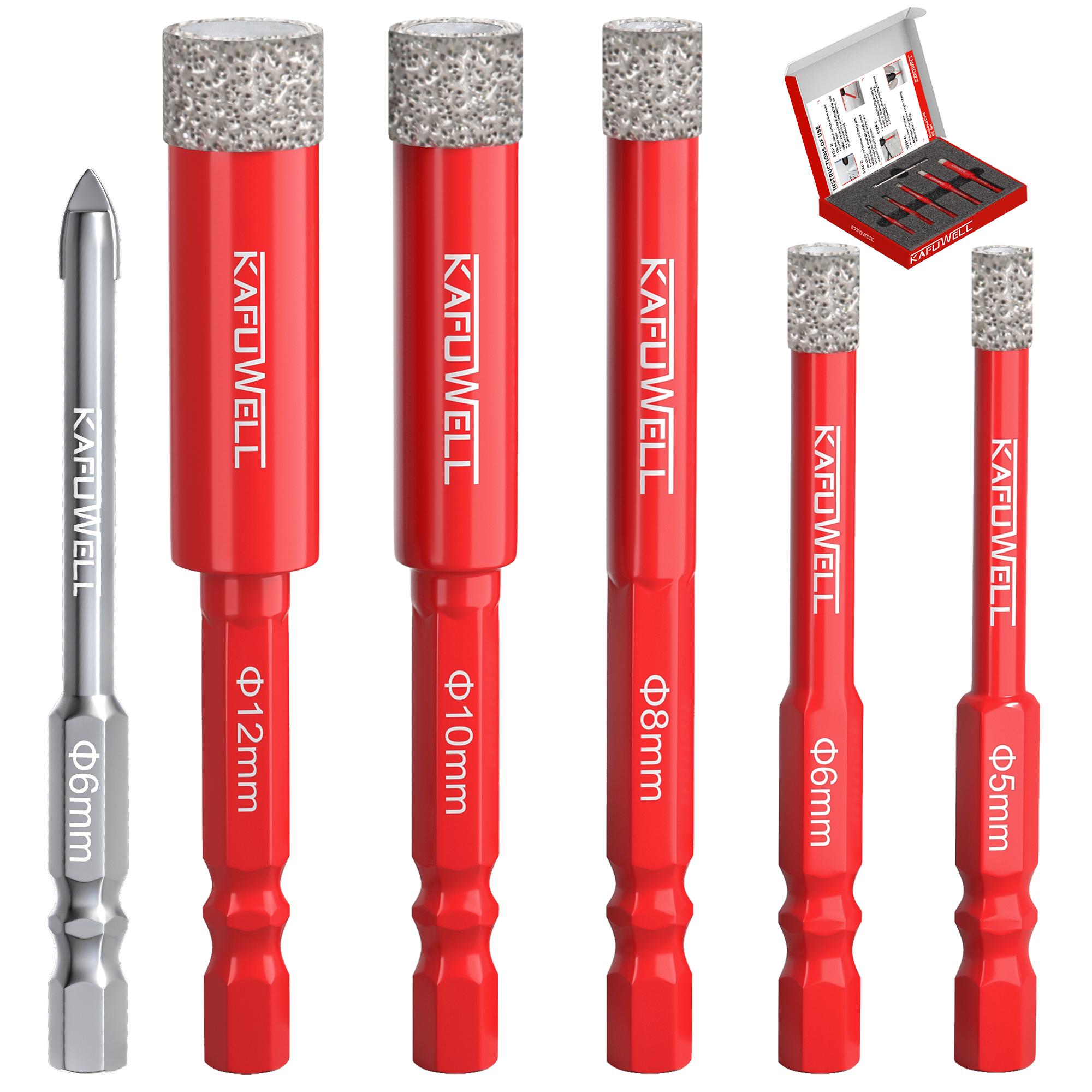
- Tiles/Glass: For tiles or glass, use diamond bits to prevent cracking and ensure accuracy.
When to Use an Impact Driver
If you’re performing a task that requires high torque fastening, such as decking, automotive repairs, or building a shed, the impact driver is undoubtedly the better choice. It provides 2-3 times more torque than a drill and uses axial impact force to prevent screws from slipping, offering exceptional efficiency.
Suitable Tasks:
- Long Screws (e.g., Decking Screws), Large Bolts (e.g., Automotive Repairs): The impact driver handles these large bolts and long screws with ease.
- Screw Driving in Hard Materials (e.g., Hardwood, Thick Metal): The high torque and impact force of the impact driver allow it to penetrate hard materials effectively and tighten screws.
Advantages:
- High Torque: The impact driver’s high torque can easily drive long screws, especially during extended use, making the job more efficient.
- Compact Design: The impact driver is more compact than the drill, making it ideal for working in tight spaces, such as ceiling installations.
Limitations:
- Not Ideal for Precision Drilling: While the impact driver excels in screw driving, it’s not suited for precise drilling, particularly when fine holes are needed. For accuracy in drilling, a drill is the better option.
Key Differences: Impact Driver vs Drill
To help you make a quick decision on which tool to use for specific tasks, here’s a comparison table to give you a clear understanding of their suitability for various jobs.
| Task Type | Drill | Impact Driver |
| Wood/Metal Drilling | ✅Best | ❌(Requires special bits) |
| Light Screws (Furniture Assembly) | ✅ | ⚠️(可能过载) |
| Deck/Frame Long Screws | ❌(Prone to jamming) | ✅Best |
| Hard Materials (Concrete Anchors) | ❌ | ❌(Requires impact drill/hammer drill) |
With this table, you can quickly determine which tool is best suited for a particular task. For example, when drilling wood or metal, the drill is the best choice. When driving long screws, particularly for decking, the impact driver offers a more efficient solution.
Frequently Asked Questions
Even if you are somewhat familiar with tools, common misconceptions may influence your choice. Here are some frequently asked questions and their answers:
Can an Impact Driver Replace a Drill for Drilling?
Although an impact driver can use a hex shank drill bit for drilling, its precision is far inferior to that of a drill. The impact driver is designed for driving screws, so using it for drilling results in poor accuracy and more wear on the bit. If you need to drill for an extended period, especially for precise work, a drill should be your choice.
Can I Use a Drill with High Torque to Replace an Impact Driver?
While the drill offers adjustable torque, it lacks the axial impact force that an impact driver provides. Even at the highest torque setting, it cannot match the power of the impact driver. Additionally, using high torque settings on a drill can damage the motor or the screw head, especially when driving large bolts. Thus, a drill’s high torque setting cannot replace the powerful impact force of an impact driver.
Which Tool Should You Choose for Your Next Project?

Different projects and needs require different tool choices. Here are recommendations based on various scenarios:
Home Repair
Most home repair tasks, such as drilling holes, driving light screws, or installing hooks, can be done with a drill. Its versatility makes it the dominant tool for household projects, and you might only need a drill to handle most tasks.
Woodworking/Renovation
In woodworking or renovation, you will need both the drill and the impact driver. The drill can handle precise drilling tasks, while the impact driver is ideal for driving long screws in high-torque tasks, such as installing wood frames or decking. Using both tools will allow you to complete the tasks more efficiently.
Budget Constraints
If you’re on a budget, you can opt for a drill with impact functionality. While it won’t provide the same strength as a professional impact driver, it will support light to medium screw driving tasks and serves as an economical option.
Professional Needs
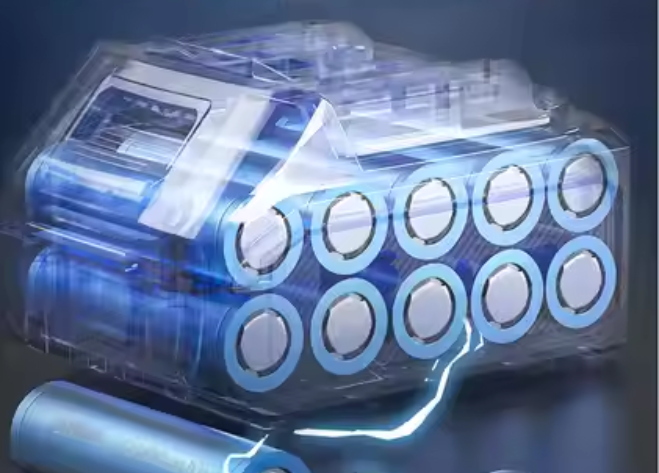
If you are working in a more professional capacity, such as construction or large-scale renovations, it’s best to purchase both a drill and an impact driver separately. Choosing tools within the same battery platform will allow you to maximize each tool’s advantages and reduce the hassle of tool storage and management.
Conclusion
Choosing the right tool depends on your specific job requirements. Ideally, combining both tools is the best solution. The drill is for precision drilling, while the impact driver is for high-torque screw driving. Using both together can cover over 90% of household and construction tasks, especially for renovation and large-scale projects.