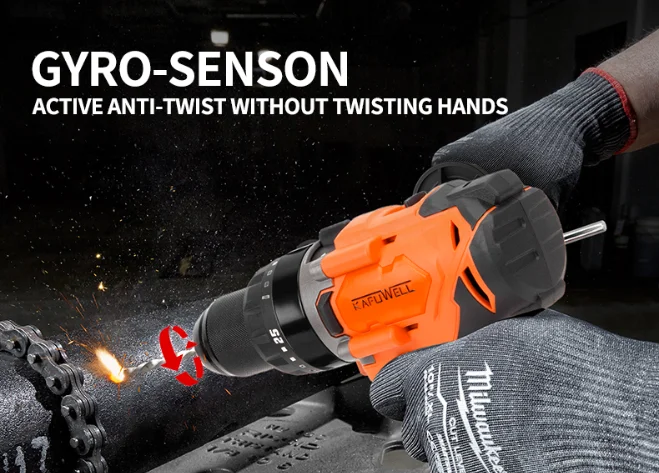
When you’re drilling into tough materials like brick or concrete, a regular drill can only take you so far. The bit spins, struggles, and often overheats — until it finally gives up. That’s when an impact drill, also called a hammer drill, becomes your best ally.
It combines traditional rotation with a powerful forward hammering motion that breaks apart dense surfaces as you drill, making it the right tool for hard jobs that a standard drill can’t handle.
1. What Makes an Impact Drill Different
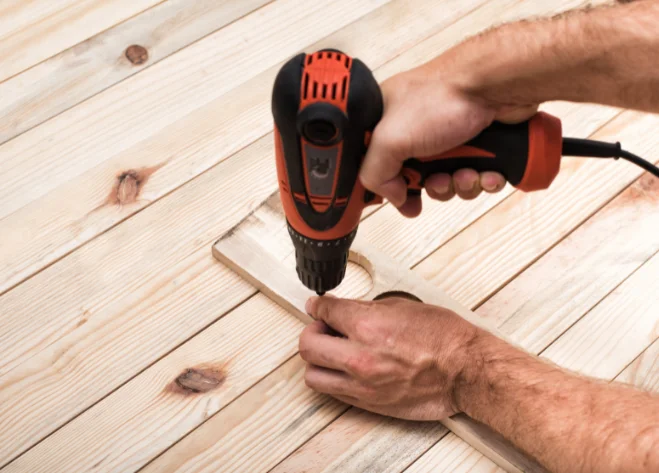
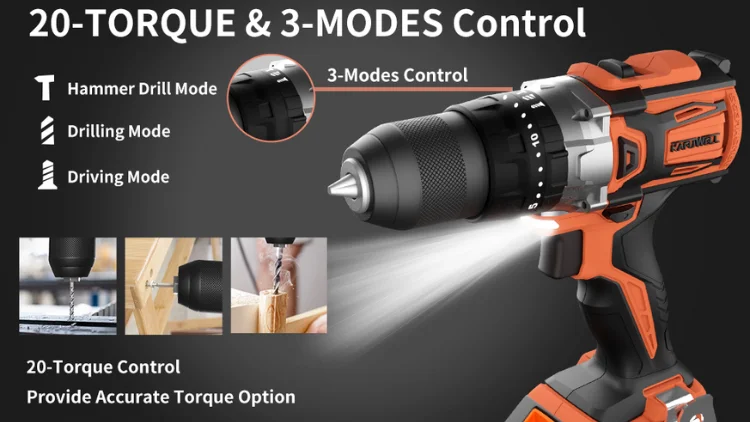
An impact drill looks similar to a regular drill, but inside, it’s far more capable. Instead of relying solely on rotation, it adds thousands of micro hammer strikes per minute along the drill’s axis. These impacts help the bit chip away at tough materials such as concrete, brick, or stone.
Most impact drills also include a mode switch. In drill mode, it behaves like a normal drill for wood or metal. Flip to hammer mode, and the tool’s internal mechanism delivers rapid impacts while rotating — perfect for masonry work. This dual function makes it one of the most adaptable tools in construction or home renovation.
2. When to Use an Impact Drill
You don’t always need the hammering power of an impact drill, but there are specific situations where it’s the right choice.
Drilling Into Hard Materials
This is where an impact drill truly shines. When drilling into materials like concrete, brick, or stone, the tool’s hammering motion helps the bit penetrate efficiently without overheating. A regular drill would stall, slip, or burn out. The impact drill’s rhythmic striking action keeps the hole clean and progress steady.
It’s ideal for tasks such as mounting heavy fixtures, installing anchors, or working on structural masonry. Whether you’re hanging shelves, fitting wall plugs, or preparing for electrical installations, this tool gives you speed and reliability that no standard drill can match.
Drilling Through Multi-Layered or Reinforced Walls
Modern and older buildings alike often feature composite wall structures — plaster over brick, tile over concrete, or cement board layered with reinforcement. Drilling through these requires consistent power and stability. An impact drill maintains torque and forward motion as it transitions between materials, avoiding stalls and minimizing bit damage.
That consistency makes it invaluable during renovations, where wall density can change every few centimeters. It allows you to drill cleanly through all layers without switching tools midway.
When Efficiency and Consistency Matter
On job sites where time equals money, impact drills prove their worth. The hammering mechanism lets you drill multiple holes quickly with less fatigue. When working on repetitive tasks like installing conduit brackets, AC mounts, or electrical boxes, the impact drill’s consistent rhythm ensures both speed and accuracy. It’s built for durability — the kind of work that demands both pace and performance.
When You Need One Versatile Tool
For contractors, DIY enthusiasts, and homeowners alike, versatility is key. The impact drill can shift between delicate drilling and heavy-duty hammering with a simple mode change. You can drill pilot holes in wood in the morning and anchor bolts in concrete that afternoon — using the same tool.
This flexibility makes it perfect for anyone who wants professional-grade performance without maintaining separate tools for every type of job.
3. When Not to Use an Impact Drill
Despite its power, the impact drill isn’t suitable for every material or situation. Its hammering action can cause damage where precision or delicacy is required. Avoid using an impact drill when:
- Working on soft or fragile materials such as drywall, plastic, or thin metal sheets.
- Performing fine woodworking, cabinetry, or furniture assembly that demands accuracy.
- Operating in areas sensitive to noise and vibration.
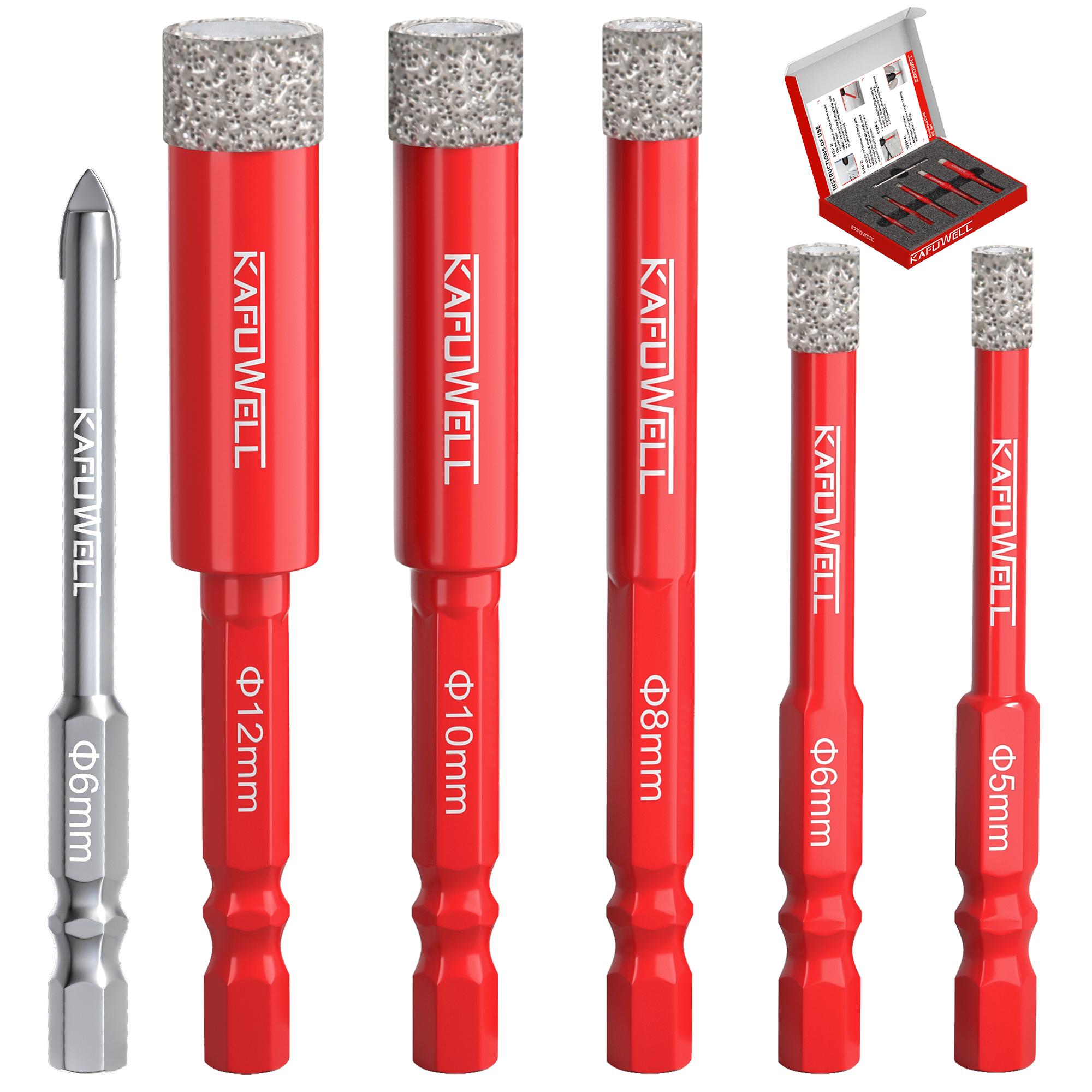
- Using standard drill bits — you’ll need masonry bits specifically designed for hammer drilling.
Knowing when not to use the hammer function helps preserve both your tool and your materials.
4. Impact Drill vs. Impact Driver
These two tools are often confused because of their similar names, but they serve entirely different purposes.
An impact drill (hammer drill) delivers forward, percussive impacts for drilling into hard surfaces.
An impact driver, by contrast, delivers rotational torque impacts designed to drive screws and bolts efficiently.
Simply put:
Use an impact drill for holes. Use an impact driver for screws.
Understanding this distinction ensures you get the best results — and avoid damaging your tools or materials.
5. Safety and Best Practices
Power brings responsibility. To get the most from your impact drill safely and effectively:
- Always use the correct masonry bit for the job.
- Hold the drill firmly with both hands for stability.
- Start slowly to align the bit before applying full speed.
- Let the drill’s hammering mechanism do the work — don’t force it.
- Take breaks during long sessions to prevent overheating.
- Clear dust from drilled holes for better anchor grip.
- Wear safety glasses, gloves, and hearing protection.
Following these habits not only protects you but also extends the life of your drill and bits.
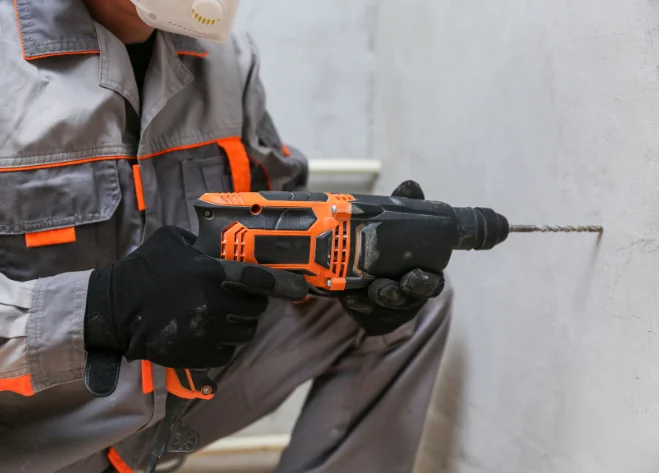
6. Conclusion — Power with Purpose
Whether you’re a professional tradesperson or a weekend DIYer, knowing when to use an impact drill means you can work faster, safer, and with better results.
Because when the wall gets tough, the right tool makes all the difference.