If you’ve ever found yourself in the middle of a project when suddenly the skies open up, or you’re working in a persistently damp environment, you know the anxiety of wondering, “Is it safe to keep using my power tools?” This is a valid concern because using electrical equipment in wet conditions isn’t just inconvenient—it’s potentially deadly.
In this guide, I’ll explore what exactly makes using power tools in wet conditions dangerous, explain the importance of IP ratings, and share essential safety precautions. As someone who regularly uses power tools, understanding these guidelines can mean the difference between completing your project safely and encountering a hazardous situation.
Why Is Using Power Tools in Wet Conditions Dangerous?
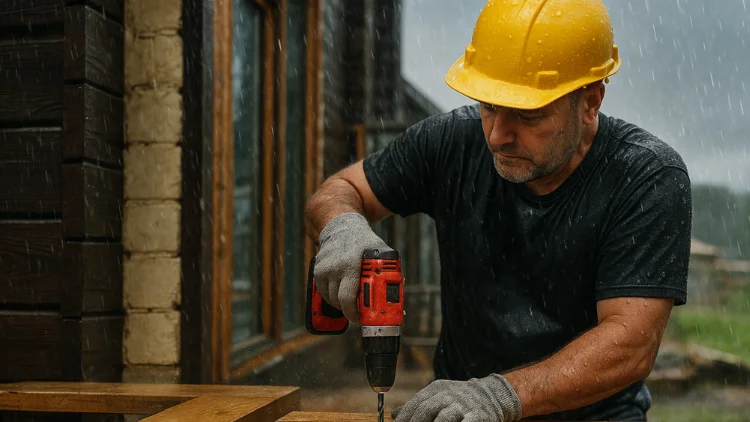
Using power tools in wet conditions isn’t just uncomfortable—it’s hazardous, even life-threatening. Let’s explore the primary reasons:
Electric Shock Hazards
Water is an excellent conductor of electricity. When your tools, cords, or work surfaces get wet, they become pathways for electrical current, significantly increasing your risk of electric shock. Even minor moisture can lead to serious injury or death, especially if you’re working outdoors, standing in wet grass, or on a damp floor.
Equipment Malfunction and Damage
Moisture doesn’t just threaten your safety; it can also permanently damage your expensive power tools. Water entering the tool’s interior can lead to rust, corrosion, or electrical short circuits, significantly reducing tool lifespan. In many cases, even slight exposure to moisture can cause hidden damage that leads to sudden tool failure when you least expect it.
Increased Risk of Personal Injury
Wet conditions also compromise your control over power tools. Slippery handles, reduced grip, and compromised footing can cause you to lose control, leading to cuts, lacerations, or other injuries. Additionally, visibility issues during wet weather further heighten accident risks.
Understanding IP Ratings for Power Tools
Before using a power tool in any potentially wet environment, it’s critical to understand IP ratings. These ratings help you identify tools specifically designed for harsh conditions.
What Are IP Ratings?
IP (Ingress Protection) ratings are a standardized way of describing a tool’s resistance to environmental factors, especially moisture and dust. Ratings are displayed as “IP” followed by two digits—for example, IP65. The first digit indicates the tool’s protection against solids (like dust), while the second digit indicates protection against liquids (like water).
Recommended IP Ratings for Wet Conditions
For safely using tools in damp or rainy conditions, you’ll typically want a tool with at least an IPX4 rating, meaning it’s resistant to splashing water from any direction. If you’re consistently working outdoors or in heavy rain, you should consider a tool rated IPX5 or higher, providing even greater protection against water jets and sustained moisture.
- IPX4: Suitable for occasional splashes or brief wet conditions.
- IPX5 and IPX6: Better for regular outdoor use, handling heavier splashes or jets of water.
- IPX7 and IPX8: Can handle immersion, ideal for extremely wet environments but rare in typical power tools.
Identifying Suitable Waterproof or Water-resistant Power Tools
Always look for clearly labeled IP ratings on your power tools or packaging. Tools explicitly marketed for outdoor use or marine environments typically provide detailed IP ratings, offering clear guidance. Additionally, reputable brands often highlight the durability of their products in wet environments, providing extra reassurance that your tool is designed for safe usage.
Essential Safety Precautions for Using Power Tools in Wet Conditions
Now that we understand the dangers, let’s get practical about how to safely use power tools when wet conditions are unavoidable. From my personal experience, taking these precautions is absolutely essential and can significantly reduce risks.
Inspect Tools Before Use
Before you even plug your tools in, take a careful look at them:
- Check cords and plugs closely. Look for any visible damage, cuts, or frayed areas—these can expose live wires.
- Examine the tool housing for cracks or signs of previous water exposure.
- Ensure all safety guards and protective covers are in place and secure.
If you notice anything suspicious, don’t risk it—use another tool or get it properly repaired first.
Ensure a Dry Working Environment Whenever Possible
Even if conditions outside are wet, try your best to create a dry workspace:
- Set up a waterproof tarp or canopy over your workspace to minimize exposure to rain or dripping water.
- Use non-conductive, slip-resistant mats to improve footing and safety.
- Keep towels handy to wipe down tools regularly, maintaining a dry grip.
Use Ground Fault Circuit Interrupters (GFCIs)
Perhaps the most crucial safety measure is the use of a Ground Fault Circuit Interrupter (GFCI). This device immediately shuts off electrical power when it detects current leakage (such as through water exposure), drastically reducing the risk of electric shock. Always connect your tools through a GFCI, particularly outdoors or in damp settings.
Selecting Appropriate Cords and Extensions
The type of cords you choose matters more than most people realize:
- Always use heavy-duty outdoor-rated extension cords designed for wet conditions.
- Position your cords away from puddles or standing water.
- Secure cords properly so they’re not accidentally pulled or damaged.
Personal Protective Equipment (PPE)
Safety gear isn’t optional when dealing with wet conditions—it’s mandatory. Here’s the gear I’d strongly recommend:
- Insulated gloves and footwear: Rubber-soled shoes or boots, plus insulated gloves, will significantly minimize shock risk.
- Water-resistant clothing and face shields: Jackets, pants, or aprons that repel water keep you comfortable and safe. Face shields or goggles protect your eyes from water and flying debris.
How to Handle Wet or Moisture-Exposed Power Tools
If, despite your best efforts, your power tools get wet, it’s critical you handle the situation carefully to avoid accidents or tool damage.
Drying and Inspecting Wet Tools Safely
If a tool gets wet:
- Immediately disconnect the tool from the power source or remove its battery.
- Wipe off all visible moisture using a clean, dry cloth.
- Allow the tool to dry completely—ideally for several hours or overnight—in a warm, dry place.
- If possible, open removable parts (like battery compartments or casings) to improve drying and air circulation.
When to Stop Using a Moisture-Exposed Tool
Knowing when to call it quits with a wet tool is crucial. If, after drying, you notice any of these issues, it’s safer to stop using the tool entirely and get it checked professionally:
- Persistent moisture inside visible compartments.
- Strange noises, smells, or smoke when you attempt to operate the tool.
- Any noticeable changes in the tool’s normal operation, such as overheating or irregular performance.
Never risk your safety by trying to “push through” with questionable equipment. It’s always better to pause your project than endanger yourself or your equipment.
Best Alternatives to Electric Power Tools in Wet Conditions
Sometimes, despite all precautions, working in wet conditions is inevitable. In these scenarios, choosing safer alternatives can eliminate electrical risks altogether.
Cordless Battery-powered Tools as Safer Alternatives
Cordless battery-powered tools are among the best alternatives. They don’t connect directly to main power lines, dramatically reducing the risk of severe electrical shock. While battery-powered tools aren’t entirely waterproof by default, they’re generally safer because the voltage levels are lower and pose less danger if moisture exposure happens.
Here’s why I personally prefer cordless tools in wet environments:
- Lower risk of serious electrical shock: Batteries typically supply lower voltage, greatly reducing risk.
- Greater maneuverability: No cords dragging through puddles, minimizing tripping hazards.
- Increased portability: Easier to reposition quickly if weather conditions worsen.
Still, it’s crucial to choose battery tools with appropriate water-resistant ratings and handle them carefully in damp settings.
Hand-operated or Mechanical Alternatives
If the conditions are exceptionally wet, consider avoiding electrical tools altogether. Manual or mechanical alternatives—like hand saws, ratchet tools, or pneumatic (air-powered) tools—can be safer options. Pneumatic tools, for example, run on compressed air, eliminating electrical risks, though you’ll still need to handle the air compressor safely.
Emergency Response and First Aid for Electric Shock
Despite taking every precaution, accidents can still happen. Being prepared to handle emergencies quickly can save lives.
Immediate Response to Electric Shock Incidents
If someone experiences an electric shock, follow these steps immediately:
- Disconnect power immediately: Never touch the person directly if they’re still connected to electricity. Shut off the power supply first.
- Use a non-conductive object: If you can’t immediately disconnect power, use a wooden stick, dry plastic pipe, or another insulated object to separate them safely from the electrical source.
- Call emergency services: Even if the victim seems fine, professional medical evaluation is critical after electrical shock incidents.
Essential First Aid Knowledge and Steps
After ensuring the victim is safe and away from further electrical exposure:
- Check breathing and pulse immediately.
- Begin CPR if the person is unresponsive or not breathing.
- Cover the person with a blanket to keep them warm, as shock can cause rapid body temperature drops.
- Avoid moving the person unnecessarily, as internal injuries can be unseen but severe.
Emergency Procedures in Wet Working Conditions
When working in wet conditions, always:
- Keep a clearly accessible first-aid kit nearby.
- Have a phone or other communication device within quick reach to call emergency services immediately.
- Inform at least one other person when working in potentially risky wet conditions, ensuring assistance is always available if necessary.
Compliance: Regulations and Industry Standards
Staying compliant isn’t just about avoiding penalties—it genuinely protects you and anyone working with you.
Overview of OSHA Guidelines
In the U.S., OSHA (Occupational Safety and Health Administration) provides clear standards regarding electrical tool use in wet environments, including:
- Mandatory use of Ground Fault Circuit Interrupters (GFCIs) for outdoor and damp locations.
- Requirement to regularly inspect equipment before use.
- Clear training guidelines for all employees regarding the use of electrical equipment in hazardous conditions.
Following OSHA guidelines ensures not just your legal compliance but also the safest working environment possible.
Local Laws and Regulations
Regulations vary by country, region, or even state, so it’s important to stay informed about your local regulations. Some jurisdictions have specific mandatory equipment standards, training requirements, or regular inspection intervals.
For instance, in many areas, construction sites must adhere to particularly stringent electrical safety standards, involving frequent inspections and mandatory use of certain types of PPE.
Always check with local regulatory bodies or safety offices if you’re uncertain of the specific requirements in your area.
Frequently Asked Questions (FAQs)
1. What’s the minimum IP rating recommended for power tools in wet conditions?
An IPX4 rating is generally the minimum recommended, meaning the tool can withstand water splashes from any direction. For harsher conditions, consider IPX5 or higher.
2. Can I use standard power tools in rainy conditions?
No, standard power tools aren’t designed for rainy conditions. Use tools specifically rated for wet conditions or switch to cordless or manual alternatives.
3. How do I ensure my extension cords are safe?
Use only heavy-duty outdoor-rated cords, ensure they’re not damaged, and always connect through a GFCI.
4. Are battery-powered tools completely safe in wet conditions?
Not entirely—though safer than corded tools, battery-powered tools still require care. Choose tools rated for moisture resistance and handle cautiously.
5. Can I use pneumatic or gas-powered tools in wet conditions?
Yes, pneumatic and gas-powered tools avoid electrical risks. However, ensure they’re rated for moisture exposure, and handle gas-powered tools carefully due to fuel and combustion risks.
Conclusion
When using power tools in wet conditions, understanding the associated risks and strictly following safety guidelines is not only wise but also crucial for protecting lives. By choosing the right equipment, taking effective protective measures, and being prepared for emergencies, you can keep your projects running smoothly and safely—even in challenging weather.
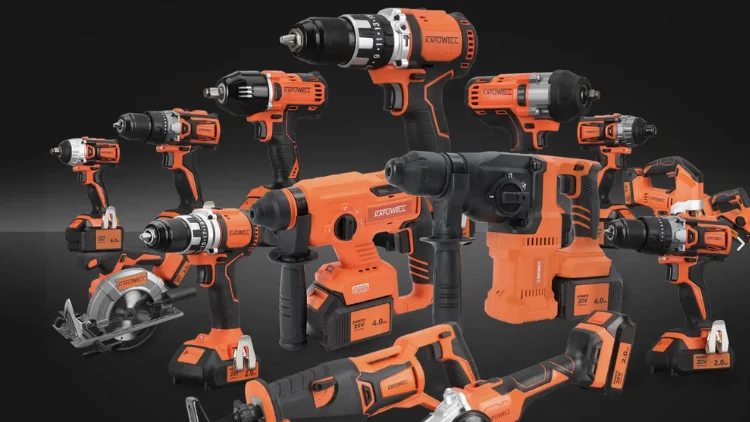
If you are looking for solutions tailored to wet environments, such as investing in IP67-rated waterproof tools, feel free to contact us at any time. To view our full product list, please click here.