When you’re working with tough materials like concrete or masonry, a regular drill might not cut it. That’s where a hammer drill comes in. It’s a specialized tool designed for one thing: tackling hard surfaces with ease. But what exactly is a hammer drill, and how does it work? Let’s break it down.
What Is a Hammer Drill
A hammer drill combines the rotary motion of a regular drill with a hammering action, delivering powerful, rapid force to break through tough surfaces. Unlike a regular drill that only rotates the bit, a hammer drill also delivers quick, hammer-like impacts to chip away at hard surfaces. This added impact makes the hammer drill especially effective for drilling into tough materials like concrete, brick, or stone.
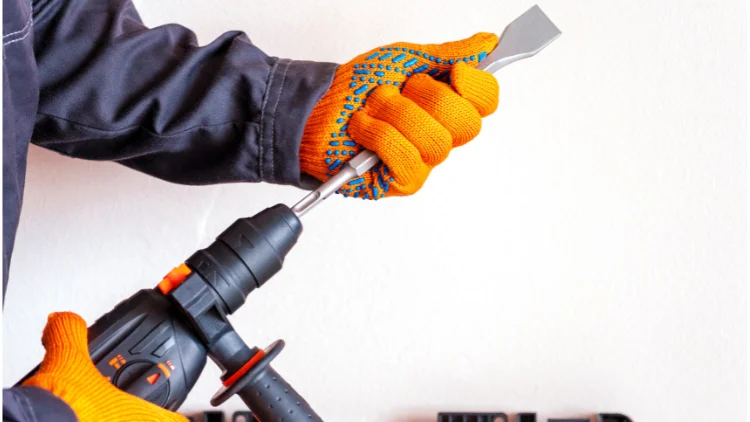
A hammer drill can not only be used with drill bits but also with attachments like chisels to expand its functionality. This allows it to help with tasks such as demolition, removal, and precision striking. For example, it can break and remove old tiles, stone, concrete, or outdated layers of cement from walls.
Types of Hammer Drills
Not all hammer drills are created equal. Understanding the different types of hammer drills can help you choose the right tool for the job. Here are the main types you may encounter:
Corded Hammer Drills
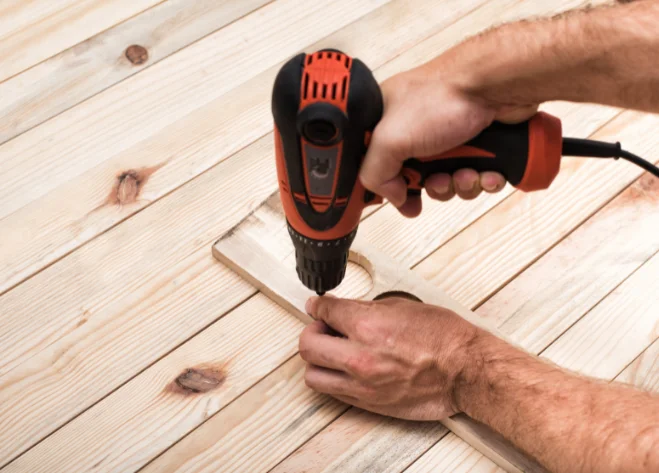
Corded hammer drills are the workhorses of the hammer drill world. Powered directly from an outlet, they provide steady, high-performance without the worry of battery life. If you’re tackling large projects, like drilling into concrete or brick, a corded model will give you the power and reliability you need. However, the obvious limitation is that you’re tethered to a power source.
Cordless Hammer Drills
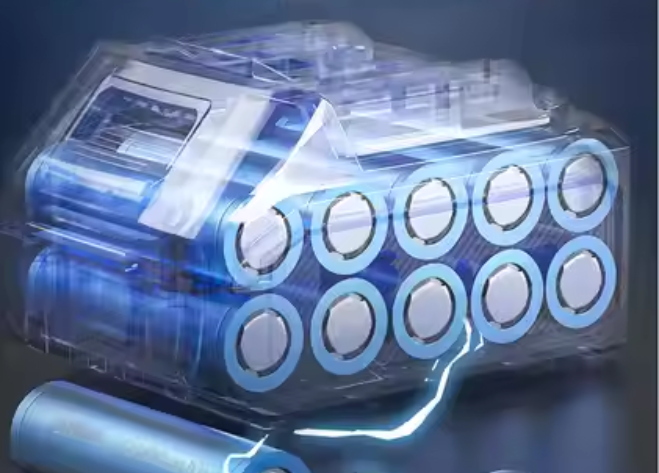
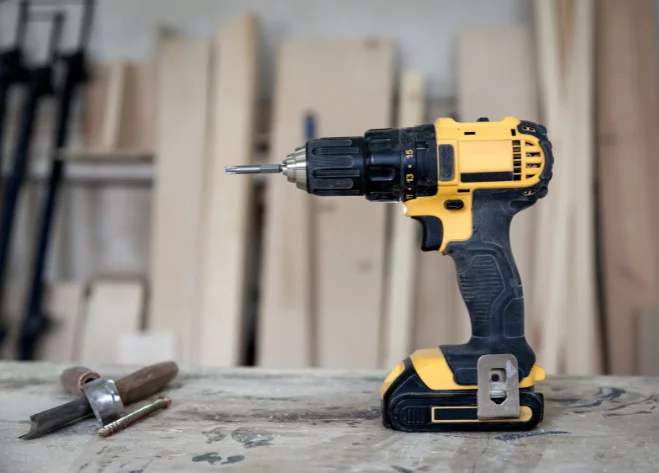
Cordless hammer drills offer more freedom. These battery-powered models allow you to move around without being restricted by cords. While they are less powerful than corded drills, modern cordless hammer drills with higher-voltage batteries can still provide plenty of power for medium-duty tasks. They’re an ideal choice for DIY enthusiasts, especially for projects that require mobility and flexibility.
Rotary Hammer Drills
Rotary hammer drills are the heavy-duty choice for professional contractors. They combine the hammering action of a regular hammer drill with a more powerful mechanism, allowing them to drill through extremely tough materials like reinforced concrete. These drills are typically larger, heavier, and more expensive, but they’re built for tough construction work. If you need to tackle large-scale demolition or drilling tasks, a rotary hammer drill is your best option.
How to Choose a Hammer Drill
Choosing the right hammer drill depends on several factors. Here are the key things to consider when selecting a hammer drill:
Power and Voltage
When choosing a hammer drill, the first thing to consider is its power. For lighter tasks, such as drilling into wood or softer materials, a 12V to 18V hammer drill will be sufficient.
However, if you plan to drill into tougher materials (such as concrete), you’ll need a more powerful hammer drill, typically 18V or higher. Higher voltage hammer drills provide greater impact force, helping you break through hard surfaces more quickly.
Corded hammer drills offer consistent and uninterrupted power, making them ideal for long, heavy-duty tasks. Cordless hammer drills, on the other hand, are more convenient, but their power may be lower during extended use.
Modern high-voltage cordless hammer drills (like 20V or higher) can handle medium-duty tasks, making them perfect for DIY enthusiasts and smaller projects that require flexibility and mobility.
Impact Frequency and Drilling Speed
Impact frequency (measured in impacts per minute) directly affects the efficiency of the hammer drill. A higher impact frequency means you can drill into hard surfaces faster. Frequent impact actions can effectively break up the material.
Additionally, consider the adjustable speed feature. Most modern hammer drills come with a variable speed setting, allowing users to adjust the speed based on the task. For example, high speed is better for drilling into softwood, while low speed is ideal for tougher materials.
Comfort and Ergonomics
When using a hammer drill for extended periods, ergonomic design plays a significant role in improving your experience. The design of the drill should make operation as comfortable as possible, reducing fatigue. When choosing a hammer drill, consider the following:
- Handle Design: An ergonomic handle provides a firm grip and reduces hand fatigue. Typically, soft grips or anti-slip handles enhance comfort and safety, especially during long operations.
- Weight Balance: Choose a hammer drill with good weight distribution to reduce stress on your hands and wrists. Lighter tools can help reduce strain during use and prevent excessive pressure after long periods.
- Vibration Dampening: When drilling into tough materials for long periods, choose a hammer drill with vibration-dampening handles. This feature reduces the transmission of impact force to your wrists and forearms, improving comfort and control.
Durability and Build Quality
Since hammer drills are typically used for heavy-duty tasks, durability is crucial. Look for models with reinforced motors, sturdy gears, and durable housings. These high-quality builds help the drill handle tough jobs and extend its lifespan.
Additionally, brushless power tools offer better efficiency, higher power output, longer lifespan, and less maintenance. It’s also important to consider the warranty period.
learn more:Brushed vs Brushless Motors: What’s the Difference?
How to Use a Hammer Drill
A hammer drill is a powerful and efficient tool. Understanding the basic steps and techniques can help you complete tasks more effectively.
Choose the Right Drill Bit
Before using a hammer drill, make sure to choose the correct drill bit for the material you are working with.
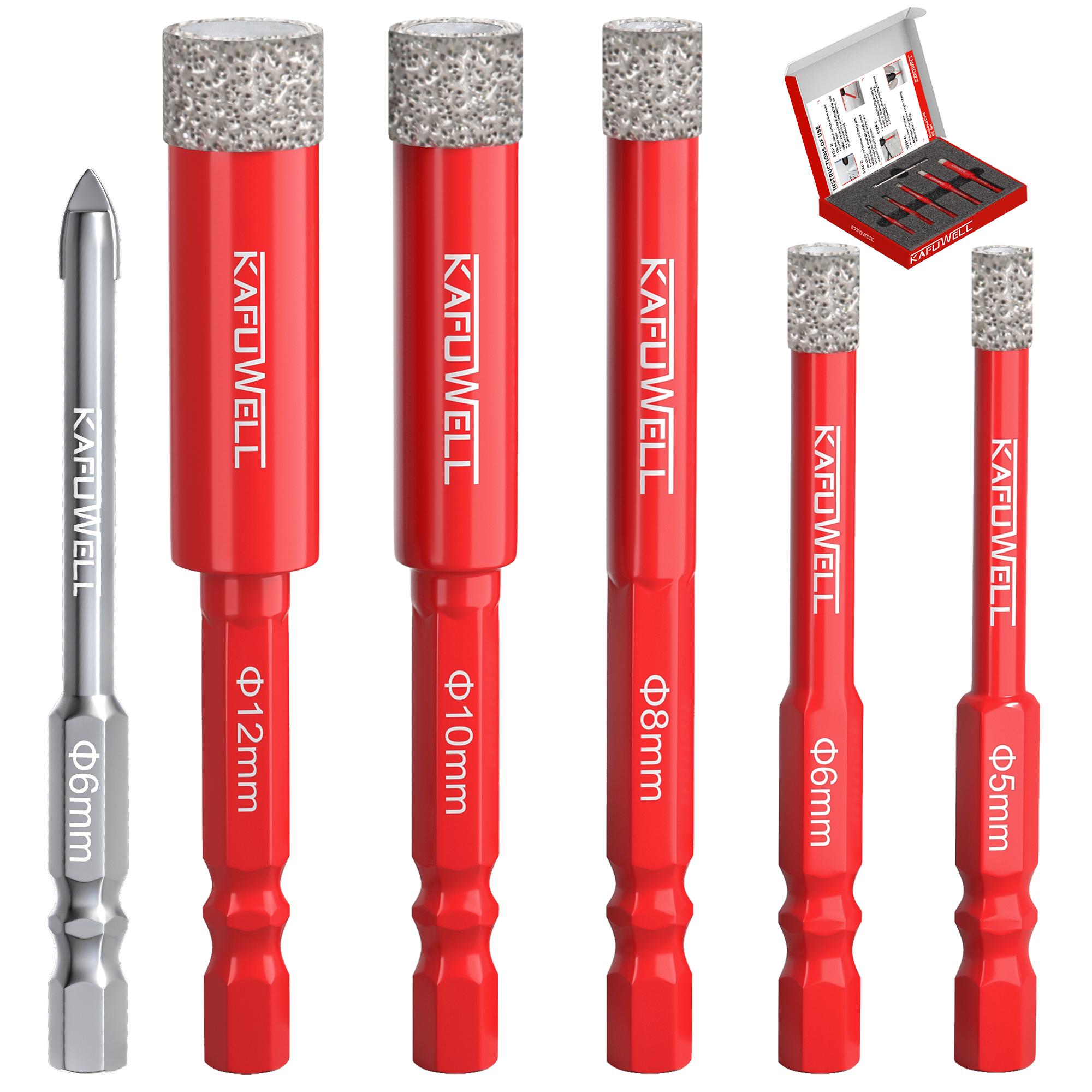
- For concrete, brick, or stone, use a carbide-tipped masonry drill bit designed for impact drilling.
- For wood or soft materials, a standard wood drill bit will suffice.
- For metal, high-speed steel (HSS) drill bits work best.
Adjust the Tool Settings
Most hammer drills have multiple operating modes, typically including:
- Rotary Only Mode: Suitable for drilling into soft materials like wood or plastic.
- Hammer Mode: Designed for tough materials like concrete or stone, combining rotation with impact.
- Combination Mode (Rotary + Hammer): Typically used for harder materials that require both drilling and impact.
Adjust the mode according to the material to optimize performance and protect the drill bit from unnecessary wear.
Secure the Tool
Stability is key when using a hammer drill.
- Grip the handle firmly with one hand, and use the other hand to support and stabilize the drill bit.
- Keep the drill bit perpendicular to the surface to ensure the hole is accurate and straight, avoiding eccentric drilling, which could damage both the tool and material.
Start Drilling
Gently pull the trigger, gradually applying pressure and allowing the drill bit to naturally enter the material. Do not force the drill, as this can prevent excessive wear on both the drill bit and tool.
- For concrete or stone, use a slow speed with steady pressure to allow the hammer action to break through the material.
- For wood, use a higher speed with lighter pressure to avoid damaging the material.
Prevent Overheating
When drilling multiple holes or working with hard materials, make sure the drill bit doesn’t overheat.
- Take breaks periodically during long drilling sessions to let the tool cool down, which helps extend its life.
- For extended use, consider using cooling methods (such as water for masonry) to prevent the drill bit from overheating and to prolong the tool’s lifespan.

Conclusion
Whether you’re working on a DIY project or a large construction job, a hammer drill is the ideal tool for tackling tough materials like concrete and brick. Choosing the right power tool can save you time and effort. Kafuwell’s brushless power tools deliver outstanding performance and experience, helping you easily handle any challenge. Browse our product lineup to find the perfect tool for your next project.
FAQ
Can a Hammer Drill Be Used for Mixing Cement or Mortar?
While a hammer drill isn’t typically designed for mixing cement or mortar, there are specific mixing attachments (like a mixing paddle) that can be used with some hammer drills to handle these tasks. However, for regular mixing, a dedicated mixer or drill with a mixing attachment is more efficient.
What Is the Best Speed to Use on a Hammer Drill for Concrete?
When drilling into concrete, it’s best to use a low speed with consistent pressure. This allows the hammering action to break through the material without putting too much strain on the drill. High speed is better suited for softer materials like wood or plastic.
Can a Hammer Drill Be Used for Tile Drilling?
A hammer drill can be used to drill into tile, but it’s important to use the right technique. First, use a regular drill mode until you make a small indentation in the tile to prevent it from cracking. Then switch to hammer mode to continue drilling through the material. A carbide-tipped masonry bit is recommended for this job.
How Deep Can a Hammer Drill Go into Concrete?
The depth a hammer drill can achieve depends on the power of the drill and the type of drill bit used. Generally, hammer drills can penetrate concrete up to several inches, but for very deep drilling, a rotary hammer drill would be a better option.
Are Hammer Drills Suitable for Drilling into Brick?
Yes, hammer drills are ideal for drilling into brick. The hammering action helps break through the hard surface, making the drilling process much easier and faster compared to using a regular drill.
What Kind of Maintenance Does a Hammer Drill Require?
Regular maintenance for a hammer drill includes cleaning the tool after each use, especially around the vents, to prevent dust buildup. Check the drill bit and replace it when it becomes dull. If it’s a corded model, inspect the power cord for any damage. For brushless models, ensure that there is no debris inside the housing to keep the motor running efficiently.
Can a Hammer Drill Be Used on Wood?
Yes, a hammer drill can be used on wood, but it’s not the ideal tool. Since wood is a relatively soft material, the hammering action isn’t necessary and can actually cause damage to the surface. It’s better to use a regular drill for wood drilling, but if you must use a hammer drill, make sure to set it to rotary-only mode.
What Is a Sds Drill, And How Is It Different from a Hammer Drill?
An SDS (Special Direct System) drill is a type of rotary hammer drill that uses a special chuck system to secure the drill bit, allowing for more efficient impact drilling. While both SDS drills and hammer drills perform similar functions, SDS drills are typically more powerful and better suited for heavy-duty tasks like drilling into concrete and stone.
How Do I Know When My Hammer Drill Needs to Be Replaced?
You should consider replacing your hammer drill if it’s no longer providing adequate power, if it starts making unusual noises or vibrating excessively, or if the motor is overheating frequently. Additionally, if you notice a significant decrease in drilling efficiency, it may be time to invest in a new model.