In recent years, mini chainsaws have made their way into the toolboxes of more and more households and gardening enthusiasts, thanks to their compact size, portability, and ease of use. Whether it’s trimming garden branches or tackling small DIY home improvement projects, a mini chainsaw can be surprisingly handy.
One of the most common questions among new or prospective users is: “What materials can a mini chainsaw actually cut?” This article aims to answer that question in detail.
What Materials Can a Mini Chainsaw Cut?
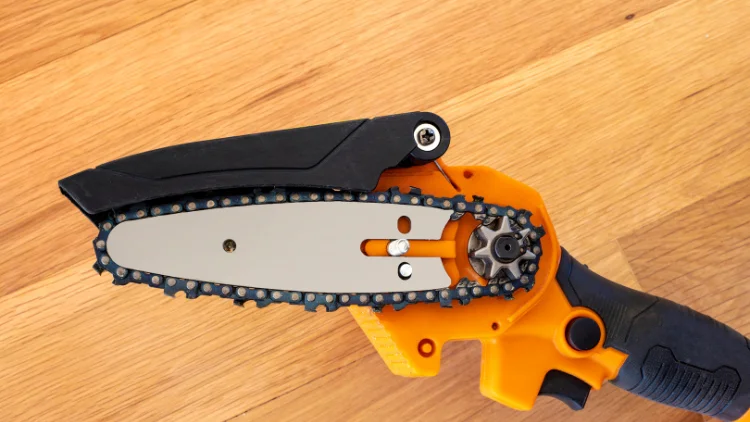
Wood
Wood is the core application for mini chainsaws, covering everything from softwoods to hardwoods, and from fresh branches to dry lumber.
Softwoods (e.g., pine, fir, poplar): These woods have loose fibers and low density, resulting in minimal cutting resistance. They are ideal for mini chainsaws.
Hardwoods (e.g., oak, beech, maple): With higher density and tighter fibers, these require more power. A quality mini chainsaw (motor ≥ 550W, chain speed ≥ 5m/s) can continuously cut hardwood branches or logs up to 6cm in diameter.
Branches and Shrubs: For fresh or annual branches between 4–8cm in diameter, mini chainsaws offer high-efficiency cutting, greatly improving garden maintenance productivity.
Industrial Lumber and Boards: Mini chainsaws are suitable for precise cuts on boards and strips up to 4cm thick, including OSB and plywood.
For dense, knotty hardwoods, it is advisable to use a high-quality carbon steel chain and to regularly lubricate the chain to prevent excessive wear.
Plastics
Mini chainsaws also work well on certain plastics.
PVC and PE pipes: Efficiently cuts pipes with diameters ≤50mm and wall thickness ≤5mm, making them ideal for home plumbing and agricultural applications.
Acrylic and Polystyrene sheets: Easily handles sheets up to 3cm thick, which is especially useful for crafts and display props.
Plastics have a low friction coefficient and may cause the chain to overheat. It’s recommended to pause every 10 minutes for cooling, and regularly clear debris to extend chain life.
Bamboo & Plant Materials
Bamboo: Mini chainsaws can efficiently cut bamboo poles with diameters of 3–6cm, which are commonly used in gardening, landscaping, and crafts.
Vines, Sugar Cane, Corn Stalks, etc.: Mini chainsaws quickly process long, fibrous plant materials, making them a preferred tool for agricultural and gardening maintenance.
Light Metals
Aluminum profiles and thin sheet metal (≤2mm): Some high-end models (with special chains like tungsten steel) can handle small-scale or temporary metal cutting, but they are not designed for regular or high-volume metal work.
Not suitable for stainless steel, copper, or thick metal: Standard chains are not made for prolonged contact with hard metals, and extended use may damage the tool.
Always wear safety goggles and gloves when cutting metals, and check the chain for wear regularly.
Other Materials
Foam boards, hard EVA sheets: Cuts up to 5cm thick, suitable for crafts and modeling.
Light composite boards (e.g., fiberboard, blockboard): Good for boards up to 3cm thick for home improvement and furniture.
Not recommended: Stone, ceramic tiles, concrete, and other hard inorganic materials.
Cutting Limits of Mini Chainsaws
Maximum cutting diameter: Most models are designed for materials 4–8cm in diameter; some high-end models can cut up to 10cm, depending on guide bar length (4–8 inches) and motor power.
Material compatibility: For hardwoods, a quality mini chainsaw can cut up to 6cm in a single pass. For dense or knotted woods and composites, make several passes to avoid overloading the motor.
Best practice: For safety and tool longevity, keep actual material size within 80% of the chainsaw’s rated capacity.
Materials Not Recommended for Mini Chainsaws
Overly Thick/Hard Logs
Logs exceeding the tool’s rated diameter, especially those with many knots or extremely high density, are unsuitable. Forcing a cut can cause chain overheating, breakage, or even burn out the motor.
High-Density Metals
Items such as steel pipes, steel plates, and thick copper or aluminum alloys require specialized cutting tools. Mini chainsaw chains are not designed for such durability.
Stone, Concrete, Tiles, and Other Hard Materials
These materials are too hard and brittle, and cutting them may easily damage the chain or even cause safety accidents.
Attempting to cut inappropriate materials can damage the chainsaw and pose significant safety hazards, such as chain breakage or flying debris. Most manufacturers explicitly warn against this in their user manuals.
Typical Applications for Mini Chainsaws
Home gardening and tree pruning: Efficiently trims fruit trees, ornamental trees, and shrubs, and clears branches after storms, ensuring a safe and tidy yard.
Home DIY and small woodworking: Quickly cuts wood strips and boards for shelves, cabinets, and other simple furniture projects. Also suitable for fine shaping and edge trimming.
Camping and outdoor emergencies: Handles firewood, camp structures, and quick shelters efficiently in outdoor settings.
Small-scale construction: Cuts wood and PVC pipes on-site to improve efficiency and reduce manual labor.
Crafts and woodcarving: Allows woodworkers and hobbyists to do rough shaping and initial cutting, improving project efficiency.
Safety Tips and Best Practices
For different materials
Remove nails or foreign objects from wood and bamboo before cutting to reduce chain wear.
Clamp plastics and composite boards firmly to prevent kickback or chain jamming.
Preventing jams, kickback, and machine damage
Regularly check chain tension and lubricate before and after use to prevent overheating and jamming.
Maintain a firm grip and do not apply excessive force when cutting.
Keep the work area clean and away from children and flammable materials.
For beginners or home users
Always wear protective gear (cut-resistant gloves, goggles, ear protection) as per the product manual.
Start with softwoods or small branches and progress gradually.
Always unplug the tool before maintenance, chain replacement, or refueling.
Comparison: Mini Chainsaw vs. Other Saws
Versus standard chainsaws
Standard chainsaws are powerful and designed for large logs and heavy-duty tasks, but are heavy and have a higher skill requirement. Mini chainsaws are lightweight and user-friendly for smaller jobs.
Versus hand saws and garden shears
Mini chainsaws dramatically reduce physical effort and improve efficiency for repetitive or large-scale cutting. Hand tools are better for precise or tight spots.
Versus circular saws
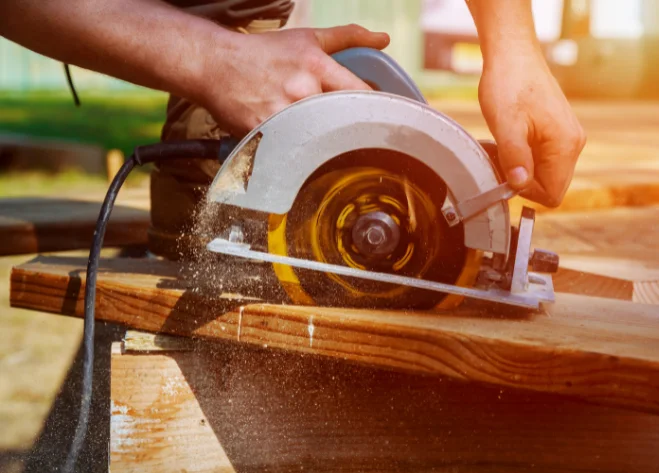
Circular saws excel at straight-line cuts on boards but are not suited for irregular branches or gardening tasks. Mini chainsaws are more flexible for varied natural materials.
Purchasing Advice
For home gardening, DIY, and light woodworking, consider models with a 6-inch bar, motor power above 550W, and features like automatic lubrication and quick-release chains.
Pay attention to brand reputation and after-sales service, and refer to professional reviews and user feedback.
Follow operating guidelines and maintain your tool regularly for long-term safety and performance.
Conclusion
Mini chainsaws can be surprisingly effective in gardening, DIY projects, and even outdoor emergencies. By clarifying your needs, choosing the right equipment, and following safe operating procedures, you can complete a wide variety of cutting tasks efficiently and safely.