When you think of hedge trimmers, you probably picture neatly trimmed hedges lining your yard. But these handy tools are capable of much more than just shaping bushes. Whether you’re looking to tidy up your garden or tackle more challenging tasks, hedge trimmers can help you efficiently handle various garden maintenance jobs.
Now, let’s dive into the many ways hedge trimmers can make your yard work easier.
Shaping and Maintaining Hedges
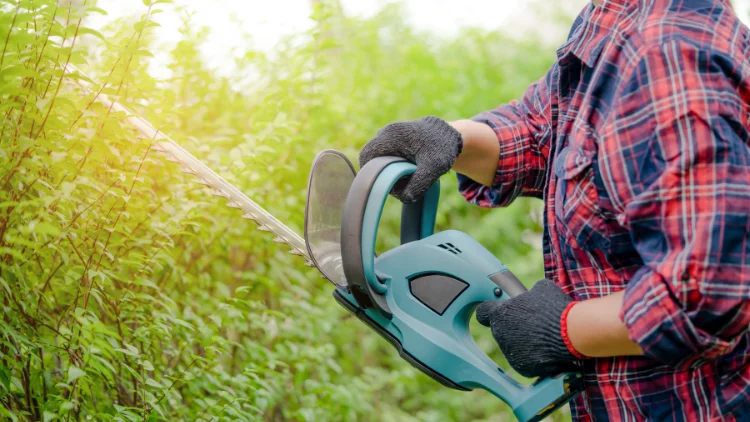
The most obvious use for hedge trimmers is shaping and maintaining hedges. A well-maintained hedge adds definition and style to any garden or landscape. Whether you’re trimming small decorative hedges or larger privacy screens, hedge trimmers help you create straight lines and smooth edges with minimal effort.
For beginners, it’s best to start with simple shapes like squares or rectangles. As you get more comfortable with the tool, you can try more intricate trims, such as shaping hedges into elaborate designs or rounded forms. A properly trimmed hedge not only enhances the visual appeal of your garden but also encourages new growth, making it fuller and more vibrant.
Pruning Small Branches and Shrubs
Hedge trimmers are also great for pruning small branches and shrubs. These tools are designed to handle branches up to 1/2 inch thick, making them perfect for trimming overgrown shrubs and small trees that need regular maintenance. Unlike manual pruning tools, hedge trimmers allow you to trim larger areas quickly and with greater precision.
However, before using a hedge trimmer, it’s a good idea to assess the thickness of the branches. If they’re too thick, you may need to use a different tool, such as a reciprocating saw, which is better suited for thicker branches.
Trimming Vines and Ivy
Vines like ivy can quickly spread and cover walls, fences, and even trees. While these plants can add beauty to your garden, they can also be a hassle to maintain. Hedge trimmers make it easy to trim vines without the need to cut each tendril individually.
When using hedge trimmers on vines, start at the outer edges and work your way in. This approach allows you to trim the outer growth, while avoiding damage to the main plant.
Trimming Grass and Weeds
While hedge trimmers aren’t typically used for mowing lawns, they’re very effective for trimming grass and weeds along garden edges or fences, especially in areas that a lawnmower can’t reach. The sharp blades quickly slice through tall grass and weeds, helping you keep flower beds or yard edges looking neat.
For large lawns, you’ll still need a dedicated lawnmower, but hedge trimmers can be a huge time-saver for those hard-to-reach corners or areas with taller grass.
Trimming Bamboo and Softwood Plants
Bamboo and softwood plants can be tricky to manage, especially because they grow quickly and can easily become overgrown. Hedge trimmers are a powerful tool for trimming bamboo and managing the growth of softwood plants, offering an efficient way to control their spread. They work well for trimming smaller bamboo shoots and clearing areas where growth has become too dense.
However, hedge trimmers do have limitations when it comes to thicker bamboo stalks or wood. As bamboo matures and the stems thicken, the trimmer’s blades may struggle to cut through effectively. In these cases, you may need to use a mini chainsaw or pruning shears to tackle the thicker, harder bamboo or wood.
Conclusion
In conclusion, hedge trimmers are not just for trimming hedges. When used correctly, they can help with various gardening tasks, enhancing the neatness and beauty of your garden. If you’re looking for a professional garden tools supplier, check out Kafuwell. We offer the right solutions to help you easily tackle all your gardening challenges.
FAQS
Which Is Better, A Corded or Cordless Hedge Trimmer?
If you need to handle large-scale trimming tasks or work for long periods, a wired trimmer is more suitable. For smaller or irregularly shaped hedges that require more flexibility, a wireless trimmer is a better choice.
When Not to Prune a Hedge?
Timing is crucial when trimming hedges, as doing it at the wrong time can affect their growth and health:
- Avoid major trimming during the growing season, especially in spring and summer. Trimming too much during these times can damage the plant and slow its normal growth.
- In cold winter months, hedges typically go into dormancy. Over-trimming can harm the plant, making it difficult for it to recover. If trimming is necessary, it’s best to do it before frost sets in.
- The best time to trim is usually after the plant’s flowering period or when it enters dormancy (fall or early spring). Be sure to avoid the growing season to prevent harming the hedge’s health.
Which Is Better 20v or 40v Hedge Trimmer?
- 20V Hedge Trimmer: Ideal for light trimming tasks, particularly for small to medium shrubs, flower bed edges, etc. The battery is lightweight, making it suitable for shorter use. However, it may lack the power needed for thicker branches or dense shrubs.
- 40V Hedge Trimmer: More powerful, capable of handling larger and tougher hedges, and providing longer operation time. These are perfect for larger areas or dense shrubs. However, they are heavier, requiring more effort to operate and are more expensive.
- If you’re doing small-scale trimming, the 20V version should be sufficient. If you need more power and longer runtime, the 40V version will be better.
What Is the Proper Way to Trim a Hedge?
Here are the steps for proper hedge trimming:
Tool Preparation:
Use sharp trimming tools and ensure they are clean to prevent spreading diseases or damaging the plant.
Trimming Techniques:
Trim regularly, removing dead, diseased, or crossing branches to ensure good air circulation.
When trimming, make the top of the hedge slightly narrower than the bottom so that the lower branches can get enough sunlight.
Avoid over-trimming, especially during the growing season. Moderate trimming helps encourage new growth.
After trimming, carefully check the shape to ensure no spots are missed.
What Is the Easiest Hedge to Trim?
Choosing easy-to-trim hedge varieties can make your gardening work easier. Here are some common hedges that are easy to trim:
- Yew (Taxus): Slow-growing and easy to shape, perfect for trimming into various forms.
- Privet (Ligustrum): Fast-growing, forms hedges quickly, and is very easy to trim and maintain.
- Holly (Ilex): Evergreen with tough leaves, ideal for neat, well-maintained hedges.
- English Yew (Taxus baccata): Dense and columnar, perfect for trimming into neat shapes, with low maintenance.