Electric saws have revolutionized woodworking, bringing speed, precision, and versatility to a craft once dominated by manual tools. They are essential for precise and efficient cutting of various materials. This article will explore the different types of electric saws available.
Circular Saws
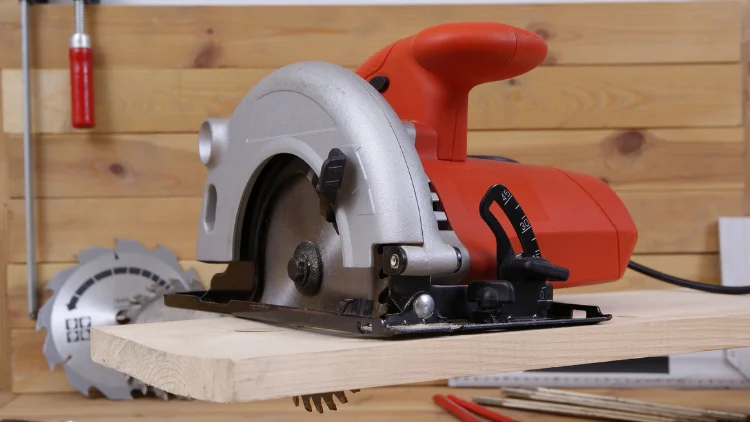
If I could only recommend one electric saw, it would be the circular saw due to its wide range of uses. With a rotating circular blade (ranging from 4.5 inches to 7.25 inches), it allows for fast and precise straight cuts in various materials. By simply changing the blade, it can cut wood, stone, metal, or masonry. It’s also portable, making it easy to carry around.
Circular saws are commonly used in the construction industry and for DIY furniture, flooring installation, and other similar projects.
Table Saws
Table saws are the cornerstone of any professional woodworking shop. With a fixed working table and adjustable fences, the blade is embedded vertically into the surface. They are ideal for various cutting tasks, whether it’s rip cuts, crosscuts, or miter cuts. By controlling the distance between the board and the blade with the fence, table saws achieve millimeter-level precision.
Like other electric saws, they require different blades for different materials and are used in cabinetry, custom furniture, and large panel processing.
Reciprocating Saws
The reciprocating saw operates with a back-and-forth motion to cut through materials quickly, though it is not as precise, and is used for rough cutting. It is ideal for demolition and heavy-duty cutting tasks, such as cutting through old structures, removing damaged wood, or making rough cuts.
It is a portable tool, with blade lengths ranging from 3 inches to 12 inches, and the blade strength depends on axial rigidity, so the blade can bend. By firmly gripping the tool and maintaining stability, you can manage the cutting process.
Miter Saws
Like table saws, miter saws also offer precise cutting. They allow for angle control by rotating the saw arm, enabling 90° crosscuts and 45° bevel cuts. Miter saws are commonly used for mitering joints or beveled edges. The most popular models are compound miter saws, which allow the blade to rotate both horizontally and tilt vertically, enabling three-dimensional angle cuts. The repeatability of miter saws is another major advantage.
Jigsaws
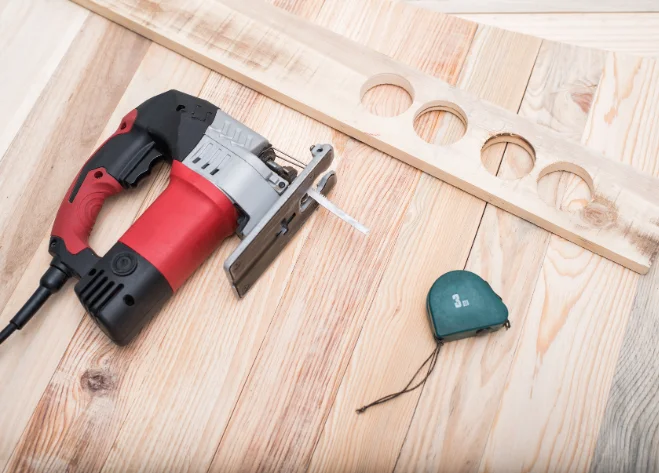
For projects that require shapes beyond straight lines, jigsaws offer unmatched flexibility. Using a reciprocating blade that moves up and down rapidly, jigsaws can easily cut curves, intricate patterns, and irregular shapes.
This tool is excellent for detailed woodworking tasks, as well as for creating curved furniture edges or decorative inlays. With adjustable speed settings and various blade options, jigsaws empower woodworkers to turn creative ideas into reality.
Band Saws
Band saws are known for their ability to make smooth, continuous cuts through thick or irregular materials. Using a long, flexible blade that moves in a continuous loop, band saws can shape complex curves in one pass and also stack-cut multiple layers of wood. The stationary models have a heavy table as a base, making them ideal for factory production, while portable models are more suited for onsite work.
Chainsaws
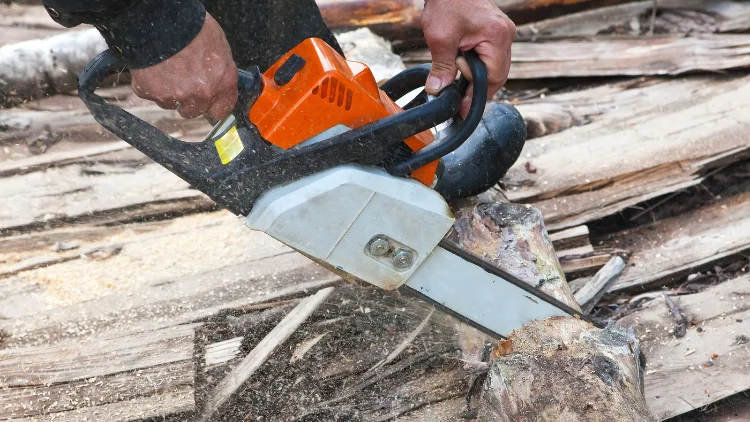
Chainsaws are a type of electric saw with a circular chain that rotates around a guide bar to cut through wood. They are commonly used for felling trees and trimming shrubs, but in large woodworking projects, they are also used for initial rough cutting. In recent years, chainsaws have become increasingly popular in ice sculpting. Common types include electric and gasoline-powered versions.
Key Considerations When Choosing an Electric Saw
Choosing the right electric saw is not just about power; it’s about matching the tool to your specific needs. Here are a few important factors to consider when selecting an electric saw:
- Project Requirements: Assess the type of cuts (straight, angled, curved) and the materials you will be working with to determine which saw best meets your functional needs.
- Power Source and Portability: Choose between corded models that provide continuous stable power, or cordless electric saws that offer greater mobility, ideal for onsite work.
- Blade Compatibility: Ensure the selected electric saw supports a variety of blades to handle different cutting tasks, providing greater versatility for future projects.
- Safety Features: Look for saws with safety mechanisms such as blade guards, laser guides, or dust collection systems. These features not only improve precision but also enhance safety during operation.
- Budget and Durability: Balance your budget with quality, choosing reputable brands. Kafuwell, for example, offers the best combination of quality and price, with a wide product range that allows for easy tool upgrades.
Read more: What Is the Best Power Tool Brand
Conclusion
Choosing the right electric saw can enhance the quality and efficiency of your projects. However, safety must also be a priority when using electric tools. Be sure to wear safety glasses, ear protection, and a dust mask, and always read the operating manual before use.
FAQs
Why Does the Cutting Effect of My Electric Saw Seem Uneven?
There could be several reasons why an electric saw’s cutting effect is uneven, including dull blades, improper blade installation, uneven materials, or unstable operation. Ensure you’re using the correct blade for the material and keep the tool steady during cutting.
Why Does My Electric Saw Get Stuck While Cutting?
An electric saw might get stuck during cutting for several reasons, such as dull blades, materials that are too hard, or incompatible blades. Check if the blade needs replacing, ensure the blade is suitable for the material, and maintain steady operation while cutting.
How Can I Extend the Lifespan of My Blade?
Choose the correct blade for the material to avoid using mismatched blades. Clean sawdust and debris off the blade after each use to prevent dulling. When using the electric saw, avoid excessive pressure, as overloading can accelerate blade wear and cause overheating.
How Do I Know if My Electric Saw Blade Needs to Be Replaced?
If the cutting performance becomes uneven or difficult, the blade may need to be replaced. Check for dullness, chips, or bends in the blade. A damaged blade will cause slower and less precise cuts.
How Does the Type of Teeth Affect the Cutting Effect?
The type of teeth on the blade directly affects cutting speed, precision, and smoothness. Common types of teeth include:
- Large teeth: These cut quickly and are ideal for rough cutting tasks, typically used for wood and other soft materials. Large teeth remove more material quickly but leave a rougher edge.
- Small teeth: These are suitable for fine cutting and provide smoother results. Small teeth are typically used for cutting metals or precision woodworking, reducing burrs and leaving cleaner cuts.
- Alternate teeth: These are ideal for cutting various materials and provide a balance of speed and precision. Alternate teeth offer good versatility, cutting quickly while still achieving relatively smooth cuts.
- Wavy teeth: Often used for cutting hard materials such as plastics and composites. This type of tooth offers stable cutting force, reducing the risk of overheating and jamming.
How Do I Choose the Right Tooth Type for a Material?
Choosing the right tooth type depends on the hardness, thickness, and desired cutting effect of the material. Here’s a guide for different materials:
- Wood: For wood, especially softwood, large teeth or alternate teeth are ideal. Large teeth cut quickly, while alternate teeth provide a smoother cut with a reasonable speed.
- Metal: When cutting metal, choose small teeth or fine-tooth blades to ensure precision and reduce vibrations. Small teeth provide a smoother cut and minimize damage to the metal surface.
- Plastic and composites: For cutting plastics or composites, wavy teeth or alternate teeth work best. These reduce heat buildup during cutting, preventing material warping or melting.
- Tiles and stone: For hard materials like tiles and stone, a fine-tooth diamond blade is the best choice. Diamond blades are hard enough to cut through these materials and help minimize material breakage.