Cutting down a tree is no easy task—it takes more than just hard work. The right power tools can make the process faster, safer, and more efficient, turning what could be a long, exhausting job into something much more manageable. Whether you’re trimming branches or felling a tree, using the right tools makes all the difference.
Types of Power Tools for Tree Removal
Chainsaws
Chainsaws are essential for cutting large trunks and thick branches. Gas-powered chainsaws are best for big jobs since they provide more power, but electric chainsaws are quieter and easier to maintain for smaller tasks. While chainsaws are effective, they require safety precautions, such as wearing protective gear and following the manufacturer’s instructions.
Pole Saws
Pole saws help you safely and efficiently trim high branches without a ladder. They extend your reach, making it easier to cut limbs that are hard to access from the ground. Whether gas or electric, pole saws are lightweight and user-friendly, ideal for homeowners who need to prune trees safely.
Reciprocating Saws
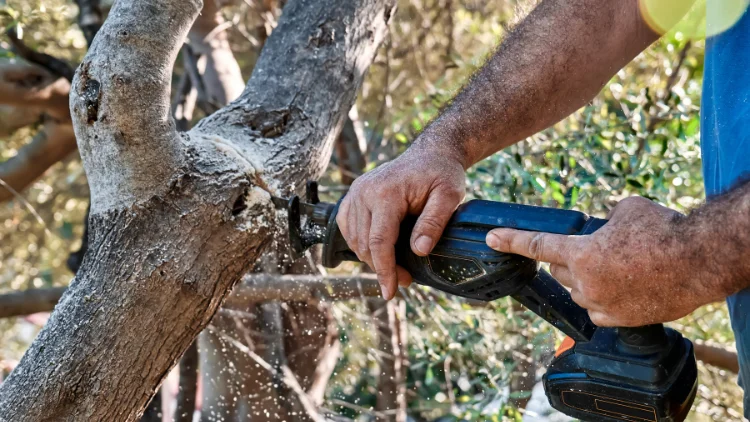
Reciprocating saws (also known as sawzalls) are great for cutting tree branches and dealing with smaller or tougher parts of trees. Their compact size and maneuverability make them perfect for tight spots where larger tools like chainsaws might be too bulky.
How to Choose the Right Power Tool for Tree Removal
When choosing a power tool for tree removal, it’s important to match the tool to the specific needs of the job. The size of the tree, your skill level, and the tool’s maintenance requirements will all affect your decision. Here are a few things to consider:
Consider the Size of the Tree
The size of the tree is one of the most important factors in choosing the right tool. Large trees, especially those with a trunk diameter over 12 inches (about the size of a large arm), typically require more powerful tools. For these jobs, an electric chainsaw is usually the best choice. It’s more powerful and can easily cut through thick trunks and dense branches, making it ideal for handling larger trees.
For smaller trees (with a trunk diameter under 12 inches), a reciprocating saw or pole saw is usually sufficient. These tools are easier to handle and perfect for lighter trimming tasks.
Evaluate Your Skill Level
Some tools, like chainsaws, require experience to use safely. If you’re a beginner, start with tools that are easier to handle and safer for first-time users. Electric pole saws and reciprocating saws are good options—they’re easier to use and less intimidating than gas-powered chainsaws.
If you’re new to tree removal, take your time to get familiar with the tools. Start with small tasks and always keep safety as a top priority.
Consider Maintenance and Storage
Storage is an important factor to consider. Electric chainsaws are typically larger and require more storage space, while smaller tools like reciprocating saws can be stored in more compact spaces.
Additionally, storing tools in a dry, cool place helps prevent rust and corrosion. Hanging tools on the wall makes them easier to access and keeps them out of reach of children.
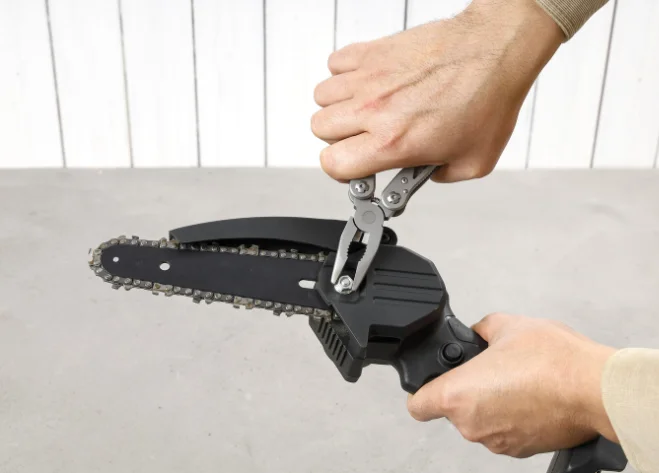
Power tools need regular maintenance to stay in good working condition. For example, electric chainsaw blades can accumulate dirt and tree debris, which reduces cutting performance and speeds up wear.
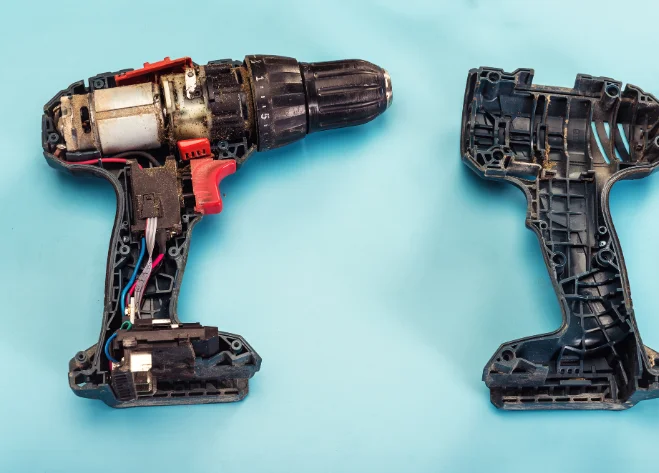
You can use a stiff brush to remove debris from the chainsaw or reciprocating saw. Alternatively, you can disassemble the tool for a thorough cleaning and then apply a rust-preventive lubricant for maintenance.
Safety Tips for Using Power Tools for Tree Removal
Using power tools for tree removal is no easy task, and safety should always be your top priority. Whether you’re an experienced professional or a DIY enthusiast, here are some key safety tips to follow when using power tools for tree removal:
Wear Proper Safety Gear
Before starting your power tools, ensure you’re wearing the appropriate safety gear. This includes gloves to protect your hands, safety glasses or goggles to shield your eyes from flying debris, ear protection to reduce the noise from chainsaws or other loud tools, and a helmet or hard hat to protect your head. Depending on the task, you may also need leg protection or a full-body suit to guard against flying debris or accidental cuts.
Follow the Manufacturer’s Instructions
Every power tool comes with its own safety guidelines and instructions. Before using a new tool, be sure to carefully read the user manual and follow the manufacturer’s recommendations for proper operation, maintenance, and safety precautions. This includes understanding how to start the tool, operate it safely, and troubleshoot common issues.
Some tools may have additional safety features, such as automatic chain brakes or safety switches. Make sure you understand how these features work before you begin using the tool.
Keep Your Work Area Clean and Organized
Before you start trimming, make sure the area around the tree is free of obstacles, debris, and unnecessary items. A cluttered workspace can lead to accidents, such as tripping over tools or equipment, or even losing control of power tools. Cleaning up the work area will help you work more efficiently and allow you to focus better on the task at hand.
It’s also a good idea to plan how to handle the branches and debris once they’re cut. Setting up a designated disposal area can help keep the workspace tidy and prevent accidents.
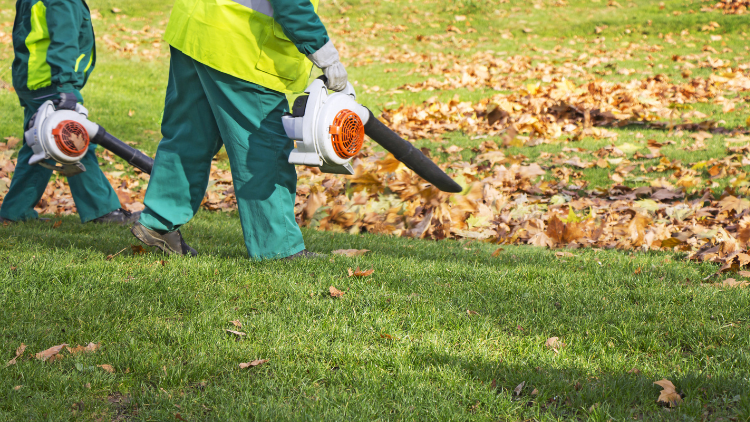
If you need to clean up fallen leaves and other small debris, a leaf blower is a great tool. It uses a stream of air to gather the leaves into piles, saving you time and effort.
Conclusion
If you’re ready to trim or cut down a tree, having the right tools will not only help you finish the job faster but also make the process more enjoyable.
FAQ
How to Sharpen a Chainsaw Blade?
Use a round file to sharpen each tooth at a 30° angle. Make sure the file matches your chain size. You can also use an electric sharpener for faster, more consistent results. Follow the manufacturer’s guidelines for best practices.
What Is the Best Tool for Cutting Branches?
For smaller branches, pruning saws or shears work best. For larger branches, use a chainsaw or pole saw. Pole saws are great for reaching high branches safely, while chainsaws handle thicker, tougher branches.
Best Equipment to Clear Brush and Small Trees?
For clearing brush and small trees, a cordless hedge trimmer or electric grass cutter is usually the best choice. These tools are lightweight, easy to handle, and perfect for trimming smaller branches, bushes, and shrubs. For slightly larger trees or thicker trunks, you can use a reciprocating saw.
How Often Do I Need to Maintain My Power Tools?
Clean your tools after each use, check and sharpen blades regularly, and inspect them every few months. Gas tools need more maintenance (oil changes, spark plugs), while electric tools require less upkeep but should still be checked for wear.
Electric vs. Gas Chainsaws: What’s the Difference?
Electric chainsaws are quieter, lighter, and easier to maintain, perfect for small jobs. Gas chainsaws are more powerful and better for heavy-duty tasks and larger trees, but they require more maintenance and are noisier.