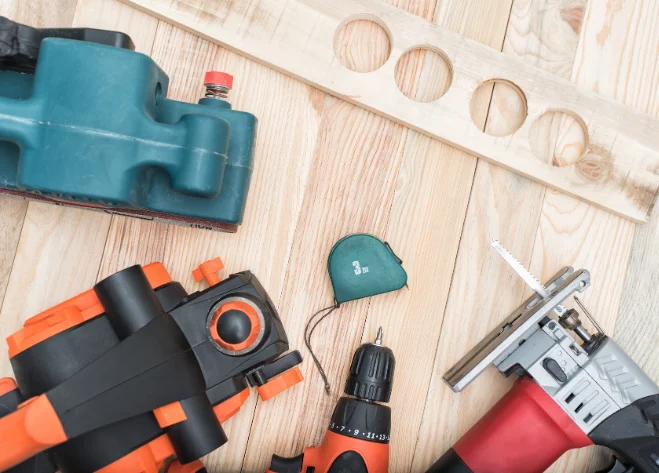
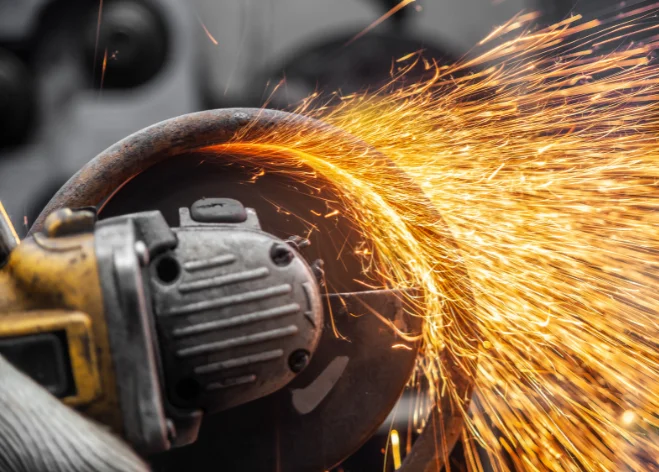
Power tools have transformed the way professionals and DIY enthusiasts work, making cutting, drilling, and assembling faster and more efficient. However, with greater power comes greater responsibility — improper use or low-quality tools can lead to serious injuries, property damage, or costly downtime.
Safety is not just about wearing protective gear or following instructions. It also depends on whether the tools you use meet recognized international safety and quality standards. These standards ensure that tools are designed, manufactured, and tested to minimize hazards and provide consistent performance over time.
The Importance of Safety Standards in Power Tools
Safety standards exist to protect both the user and the environment. For power tools, these standards play several important roles:
- Reducing Risk of Injury: Standards address hazards like electric shock, overheating, or blade failure.
- Ensuring Consistent Performance: Certified tools are tested to work under expected conditions without unexpected failures.
- Meeting Legal Requirements: Many countries and regions require compliance with specific safety regulations before a product can be sold.
- Boosting Consumer Confidence: Seeing a recognized certification mark reassures buyers that the product meets established safety benchmarks.
By complying with international standards, manufacturers not only protect their customers but also gain access to broader markets and build long-term trust.
Direct Safety & Environmental Certifications
CE (Conformité Européenne)
The CE mark is required for products sold in the European Economic Area. It shows that a product complies with the EU’s health, safety, and environmental protection directives.
For power tools, CE compliance typically involves meeting requirements under:
- Low Voltage Directive (LVD) — ensuring electrical safety
- Electromagnetic Compatibility (EMC) Directive — preventing interference with other devices
A CE-marked power tool has undergone testing (either internally or via a third party) to verify that it can be used safely and legally within the EU.
ROHS (Restriction of Hazardous Substances)
ROHS is an EU directive aimed at reducing environmental and health risks by restricting certain hazardous materials in electrical and electronic equipment.
For power tools, this means limiting substances such as:
- Lead (Pb)
- Mercury (Hg)
- Cadmium (Cd)
- Hexavalent chromium (Cr6+)
ROHS compliance ensures that a power tool will not expose users or the environment to harmful levels of toxic materials during use or disposal.
Indirect Safety & Quality Certifications
ISO 9001 Quality Management System
ISO 9001 is an internationally recognized standard for quality management systems. It does not directly test the safety of a power tool, but it ensures that the manufacturing process is consistent, controlled, and continuously improving.
In the context of power tools, ISO 9001 means:
- Standardized production processes
- Reliable quality control measures
- Documented procedures for problem-solving and improvement
This structured approach reduces the risk of defects, which in turn lowers the chances of performance failures that could lead to accidents.
BSCI (Business Social Compliance Initiative)
BSCI focuses on the social responsibility of manufacturers, including fair working conditions, worker safety, and compliance with labor laws.
While BSCI does not certify the safety of the tool itself, it promotes ethical and well-managed production environments. A responsible workplace often translates into better-trained staff, reduced errors in manufacturing, and ultimately higher-quality, more reliable tools.
How These Certifications Work Together
When used in combination, these certifications form a multi-layered approach to quality and safety:
- CE + ROHS: Directly safeguard user safety and environmental compliance.
- ISO 9001 + BSCI: Provide a robust management and social responsibility framework that supports consistent quality and reliability.
This combination not only protects the end user but also enhances a manufacturer’s credibility and competitiveness in the global market.
Practical Tips for Consumers
Even when buying tools with international certifications, users should take additional steps to ensure safe operation:
- Check for Certification Marks: Look for CE, ROHS, or other relevant symbols on the product or packaging before purchase.
- Read the User Manual: Follow the manufacturer’s instructions for proper operation and maintenance.
- Use Appropriate Protective Gear: Wear safety glasses, gloves, and hearing protection when necessary.
- Inspect Tools Regularly: Check cords, switches, and moving parts for damage before each use.
- Store Tools Safely: Keep them away from children and in a dry, secure place.
By combining certified tools with good usage habits, you can significantly reduce the risk of injury and prolong the life of your equipment.
Conclusion
Safety standards and certifications are more than just labels — they are a promise of quality, reliability, and protection for both the user and the environment.
When choosing power tools, selecting those that comply with ISO 9001, CE, BSCI, and ROHS means you’re investing in products backed by rigorous processes, responsible manufacturing, and proven safety measures.
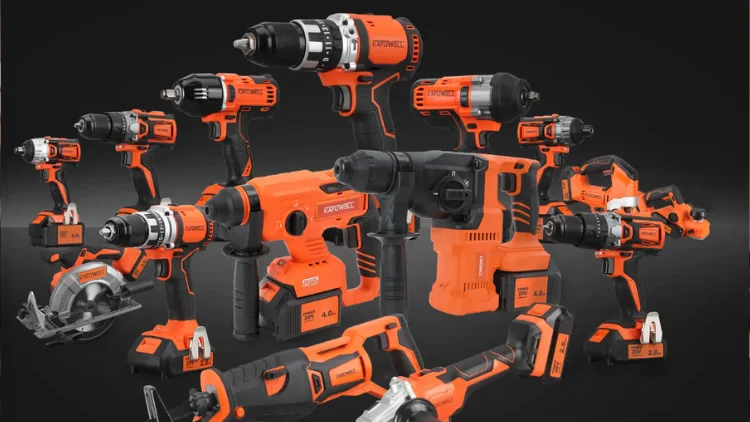
Kafuwell’s power tools meet all these certifications, ensuring every product delivers reliable performance, user safety, and long-term value for customers worldwide. Visit our “About Us” page to learn more about our company.