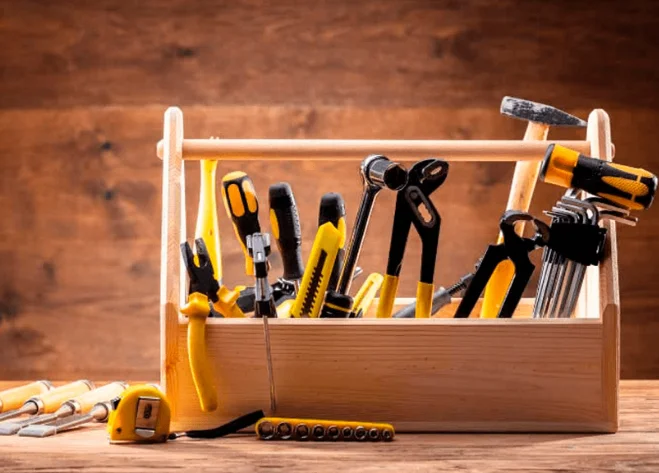
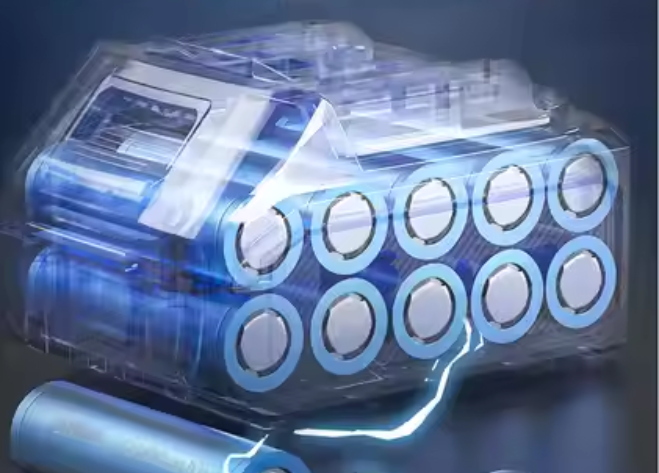
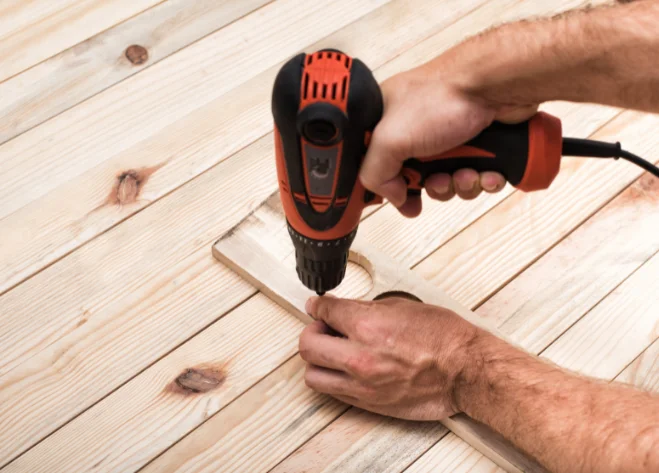
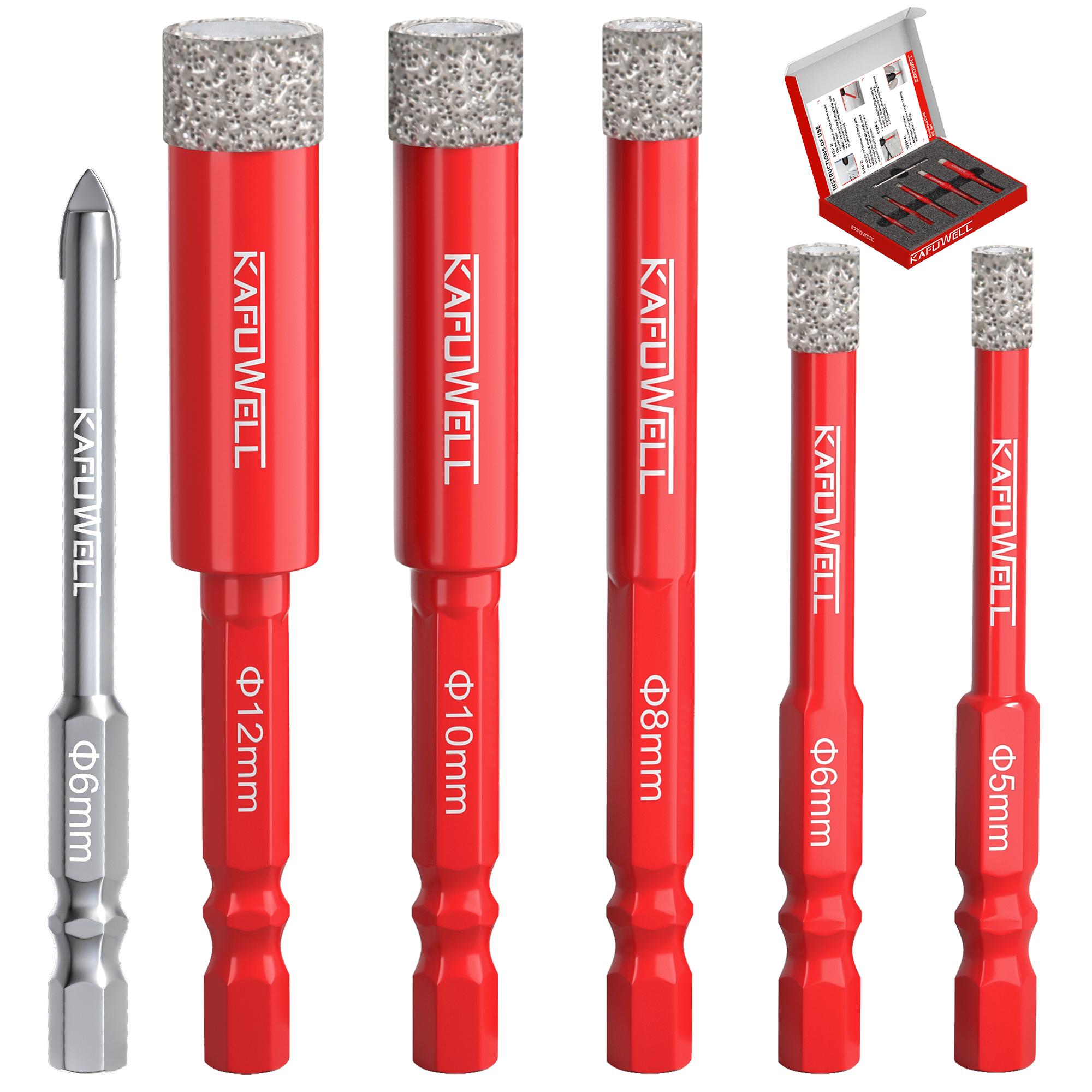
In everyday life, we often encounter tasks that are both tedious and time-consuming. The introduction of power tools has helped solve these problems. They greatly simplify workflows, making many tasks more efficient and easier. So, do you know what types of power tools there are and what they’re used for? In this article, we’ll provide a detailed overview of different types of power tools and how to use them, helping you quickly select the tools you need or expand your collection.
Drills and Impact Tools
When it comes to drilling or fastening, drills and impact tools are definitely the go-to options. Let’s take a look at some of the most common tools.
Impact Drills
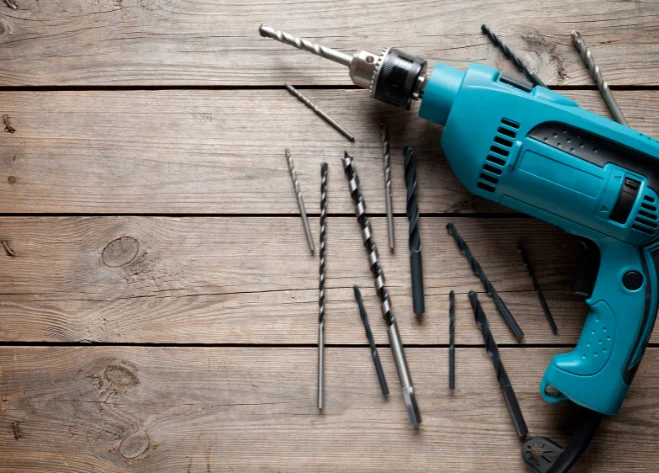
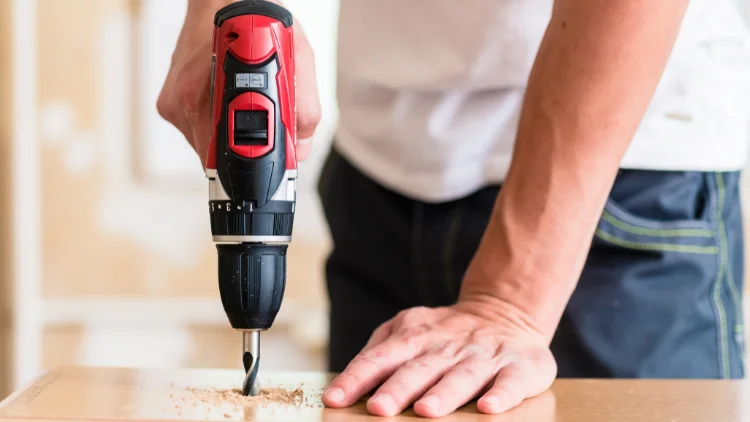
An impact drill is a versatile tool. It combines the functionality of a regular drill with added torque, making it ideal for drilling into tough materials like brick, concrete, and metal. These tools are also great for driving screws, providing powerful force and speed to make your projects faster and more efficient.
Impact drills come in both corded and cordless models, so you can choose based on your needs. Many models also offer adjustable speeds, torque settings, and a variety of drill bit attachments.
Read more: What Is an Impact Drill Used For
Impact Wrenches
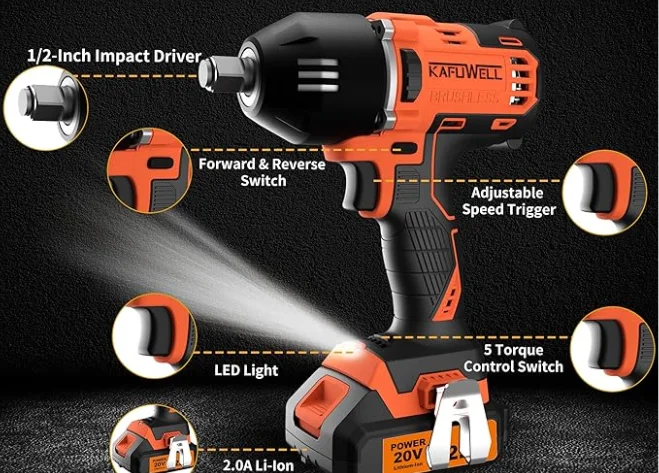
If you’re tackling tasks that require high torque—such as changing tires or assembling large metal structures—an impact wrench is essential. This tool provides high torque output, making it easy to loosen or tighten large bolts and nuts.
Impact wrenches are a must-have for auto repairs, construction work, and any heavy-duty fastening tasks. With just a press of the trigger, you can tighten bolts to the desired torque in seconds.
Cordless Screwdrivers
While impact drills are great for larger tasks, a cordless screwdriver is perfect for smaller jobs. Whether you’re assembling furniture or installing light fixtures, this tool makes driving screws quick and efficient. It’s compact, lightweight, and often comes with multiple bits, making it ideal for smaller indoor DIY projects.
Saw Tools
Cutting materials is an essential step in many DIY projects. Whether you’re building furniture, installing new flooring, or creating custom designs, the right saw for the job can make a big difference. Different saws serve different purposes, so it’s important to know which one is best suited for your task.
Circular Saw
The circular saw is one of the most commonly used power tools in woodworking and construction. It is designed for making straight cuts through materials like wood, metal, and plastic. The high-speed rotating blade allows you to cut through materials quickly and efficiently.
Circular saws are great for making large cuts, especially when you need to cut through thicker wood or other dense materials. They’re also portable, making them a popular choice for both job sites and home renovation projects.
Jigsaw
For more detailed cuts, such as curves or angled cuts, the jigsaw is your go-to tool. It uses a straight blade that moves up and down to make curved cuts or follow more complex patterns. You can use a jigsaw to cut wood, metal, plastic, and even tile, making it one of the most versatile saws in your toolbox.
A jigsaw is perfect for DIY projects that require precision. Whether you’re creating custom designs or assembling furniture, the jigsaw will help you tackle the job with ease.
Reciprocating Saw
When it comes to demolition work, nothing beats a reciprocating saw. Often referred to as a “recip saw,” this tool is great for rough cutting through wood, metal, and plastic. It’s the ideal tool for tearing down old fences, cutting pipes, or clearing debris during home renovations.
The blade of a reciprocating saw moves back and forth, allowing it to quickly cut through materials. This saw is designed for heavy-duty, rugged tasks and is a must-have for any serious DIY enthusiast or construction site.
Table Saw
If you need precision and control, the table saw is the best choice. This stationary saw features a large circular blade mounted on a table, making it perfect for making precise straight cuts through large boards. It’s commonly used for woodworking projects that require accurate measurements, such as building furniture or cabinets.
While the table saw is typically used for larger-scale projects, it excels at making fine cuts, providing smooth, accurate results every time.
Grinders and Sanders Tools
Once you’ve cut your materials, the next step is often to smooth them out, remove imperfections, or give them a polished look.
Angle Grinders
An angle grinder is a highly versatile tool, especially useful for tasks like grinding metal, removing rust, and polishing surfaces. It comes with a high-speed rotating disc that allows it to quickly handle tough materials.
Angle grinders are commonly used for metalworking and masonry, but they also excel at smoothing concrete and cutting through hard materials like tile and stone. They’re an essential tool for anyone working with metal or preparing heavy-duty surfaces.
Sanding Machines
If you’re working with wood, sanding machines are your go-to for achieving smooth, even surfaces. These tools can be used to remove rough spots or old paint and finishes, giving the material a fresh look. Sanding machines come in various types, such as belt sanders for large surface areas and orbital sanders for finer, more detailed work.
Sanding machines are also great for smoothing drywall or removing stubborn paint from wood, making it easier to apply new finishes. For larger DIY projects, a sander can save you a lot of time compared to sanding by hand.
Bench Grinders
A bench grinder is typically mounted on a workbench and is ideal for sharpening tools and grinding metal. It features two grinding wheels that can be used for various tasks, such as smoothing rough metal edges, sharpening chisels, or cleaning up welding work.
Bench grinders are a must-have for anyone who needs to regularly maintain or sharpen tools. They offer precise control and are perfect for fine-tuning tools or small parts during the final stages of your projects.
Woodworking Tools
If woodworking is your hobby or profession, woodworking tools are essential for shaping and finishing wood projects. These tools allow you to create precise cuts, smooth edges, and add detailed designs to your pieces.
Planer
A planer is used to smooth and level wood surfaces, making it easier to achieve a uniform thickness. This tool is often used when you’re working with rough-cut lumber or when you need to level uneven wood to fit into your project. A planer helps you achieve a professional finish, giving your wood a smooth and even texture.
Planers come in both handheld and stationary models, with the handheld versions being more portable for smaller projects, while the stationary models provide precision for larger, continuous work.
Routers
A router is a tool used to hollow out an area of wood or to create decorative edges. You can use it to trim edges, carve patterns, or shape wood into custom profiles. Routers are especially useful for furniture making, cabinetry, and custom woodworking projects where fine detail is required.
They’re often used with templates to achieve a consistent design or to round off edges for a finished look. With different router bits available, you can easily switch to create a variety of effects, from simple edges to complex carvings.
Demolition and Heavy-Duty Tools
When you need to break through tough materials like concrete or brick, demolition and heavy-duty tools come in handy. These tools are designed for tough, high-impact jobs that require serious force.
Rotary Hammers
A rotary hammer is an essential tool for drilling into hard materials like concrete, stone, or brick. It combines both rotational and hammering actions to break through even the most solid surfaces. Unlike standard drills, rotary hammers are more powerful and equipped with a hammer mechanism that delivers forceful blows, making them ideal for heavy-duty drilling tasks.
Rotary hammers are perfect for projects like installing rebar, drilling holes for anchors, or even for major construction tasks such as demolition or foundation work.
Demolition Hammers
Demolition hammers are designed for breaking up hard materials like concrete, asphalt, or brick. These tools are typically larger and heavier than rotary hammers, with a focus on breaking up surfaces rather than drilling holes. They’re often used in construction and demolition projects to tear down walls, remove old concrete floors, or break up asphalt.
While not typically used for drilling, demolition hammers are invaluable when you need to get rid of large, tough materials in a fast and efficient manner.
Lawn and Garden Tools
Maintaining a neat and tidy yard requires the right tools. Lawn and garden tools are essential for keeping your outdoor space in great condition.
Hedge Trimmer
A hedge trimmer is an essential tool for keeping your shrubs, hedges, and bushes neatly trimmed. Whether you’re shaping a hedge into a clean, crisp line or simply maintaining your garden’s appearance, a trimmer makes the job much easier and faster.
Most hedge trimmers come with dual-action blades for efficient cutting, and with electric or cordless options, you can work for hours without worrying about the power supply.
Lawn Trimmers
For trimming grass around obstacles like trees, fences, and garden beds, lawn trimmers are indispensable. These tools allow you to edge your lawn and make precise cuts that a regular mower can’t reach. Lawn trimmers are lightweight and easy to maneuver, making them ideal for those finishing touches after mowing.
Cordless versions are especially convenient, as they offer the freedom to move around your yard without being tethered to an outlet.
Cordless Leaf Blowers
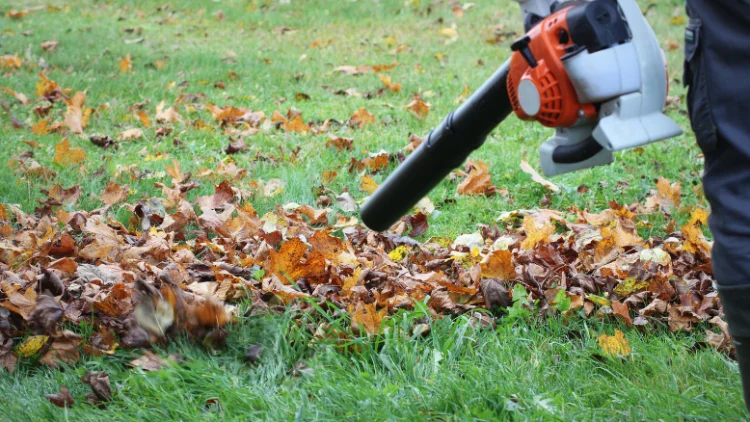
Cleaning up your yard, driveway, or patio can be a hassle without the right tools. Cordless leaf blowers make yard cleanups much faster and more efficient. These lightweight and portable tools are great for blowing away leaves, grass clippings, dirt, and other debris.
Because they’re cordless, you can move easily around your yard without worrying about tangled cords. They’re a favorite for homeowners looking to quickly clear their lawns, sidewalks, or patios after mowing or trimming.
Specialized Tools
Sometimes, certain projects require more specialized tools that provide unique functions for specific tasks.
Plastic Pipe Welders
A plastic pipe welder is used to fuse and repair plastic pipes. These tools are particularly useful for plumbing tasks, ensuring secure and leak-proof pipe connections. Plastic pipe welders feature adjustable temperature settings, which melt the ends of the pipes to create a strong and reliable connection.
They are ideal for anyone working in plumbing or involved in projects that require plastic piping systems.
Cordless Air Pumps
A cordless air pump is a handy tool for inflating tires, sports balls, air mattresses, and other inflatable items. With compact and rechargeable models, these pumps are easy to carry and perfect for quick, on-the-go inflation. They save time and effort, especially for tasks that require frequent inflation, such as sports equipment or camping gear.
Cordless Electric Spray Guns
For painting or coating large surfaces such as walls, fences, or furniture, cordless electric spray guns provide speed and precision. These tools are designed to deliver an even, smooth coat of paint, making them ideal for projects that require a professional-level finish. You can quickly spray large areas without worrying about brush strokes or uneven coverage.
Conclusion
If you haven’t yet tried using the right power tools, consider purchasing one to experience their efficiency and ease in completing tasks. You won’t be disappointed, whether you’re a DIY enthusiast, a professional contractor, or a distributor looking to stock popular products for your store. These power tools are widely used and highly sought after.