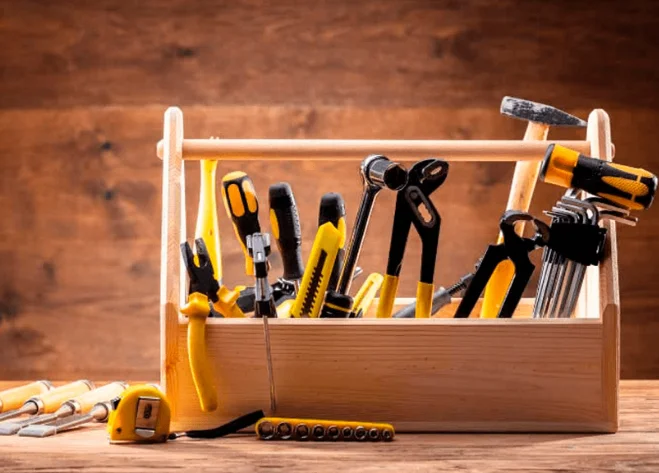
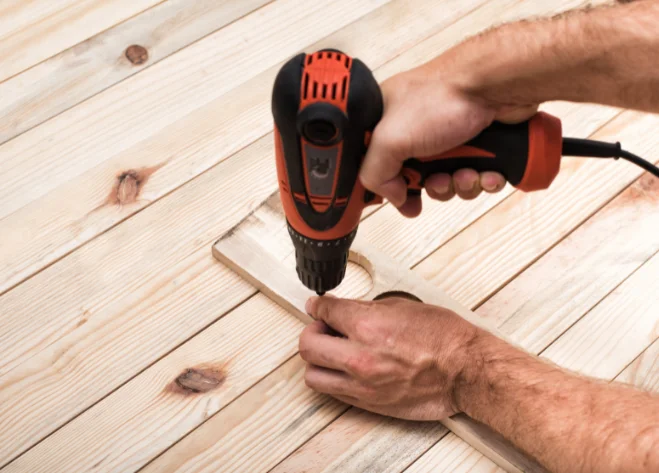
Rust is the silent enemy of power tools. In humid climates, moisture in the air quickly combines with oxygen and salt particles to corrode metal surfaces. For people living in tropical countries such as Indonesia, Malaysia, or Brazil, and for those in coastal regions like Florida or Queensland, the challenge is constant. Power tools are more complex than hand tools because they include motors, batteries, and precision parts. Once corrosion begins, it not only weakens the tool’s structure but can also damage its electrical components and shorten its lifespan.
The good news is that rust can be prevented with the right habits and protective measures. In this article, we will look at the most effective ways to keep power tools in good condition even when the weather works against you.
learn more: Survival Guide for Tools in Tropical Climates: Combating Rust, Overheating, and Power Challenges
Clean and Dry Power Tools After Every Use
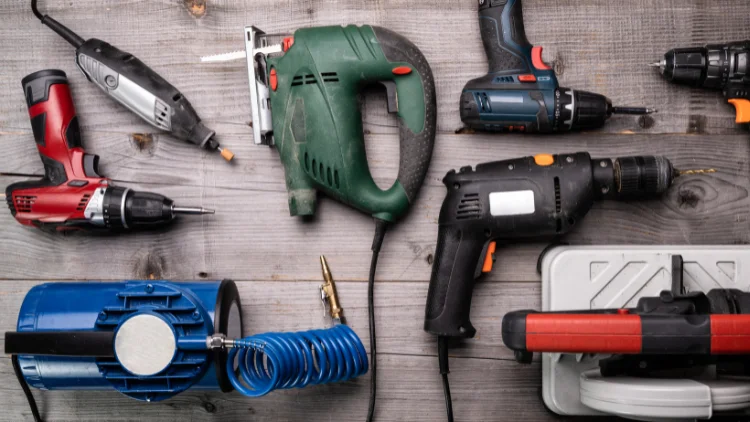
Moisture and dirt are the two main factors that trigger rust. After using your power tools, it is essential to wipe them clean. Sawdust, metal shavings, or soil can trap water and accelerate corrosion. Pay extra attention to the tool’s vents, blades, and joints, as these are common spots where moisture collects.
If you are working outdoors, never leave tools sitting overnight without cleaning. A drill left damp in the evening will often show signs of corrosion by the morning. A simple habit of wiping down the tool with a dry cloth can dramatically reduce the chance of rust.
Apply Anti-Rust Oils and Protective Sprays
A thin layer of oil or a protective spray creates a barrier between the metal surface and the humid air. Machine oil, silicone-based sprays, or rust-prevention products are all good options. These coatings prevent water from settling directly on the tool.
When applying, use only a light coating and avoid spraying too close to electrical connections or battery terminals. The goal is protection, not saturation. Reapply regularly, especially in areas where the humidity remains above 70 percent for long periods.
Store Power Tools in Proper Conditions
Storage is as important as cleaning. Leaving tools in a damp garage or an outdoor shed exposes them to fluctuating humidity and temperature, which encourages condensation. Instead, keep your tools in sealed cases or sturdy tool cabinets.
Placing silica gel packs or moisture absorbers inside the cases helps keep the environment dry. For professionals in coastal regions, investing in metal cabinets with dehumidifier units can make a big difference. Good storage not only prevents rust but also keeps tools organized and protected from accidental damage.
Control Humidity and Temperature in Storage Spaces
Rust often forms when warm air meets a cool surface and creates condensation. This is why tools kept in poorly ventilated garages often corrode even if they are rarely used. To prevent this, control both humidity and temperature in your storage area.
Simple measures such as using a dehumidifier, improving airflow with fans, or storing tools in climate-controlled spaces can extend their lifespan significantly. For workshops, maintaining steady indoor conditions is just as important as the tools themselves.
Choose Rust-Resistant Materials and Coatings When Buying
Prevention starts before you even use the tool. Choosing products made with rust-resistant materials saves effort in the long run. Stainless steel drill bits, chrome-plated housings, and parts treated with anti-rust coatings naturally perform better in humid climates.
While these tools might cost more upfront, they provide better durability and long-term savings. A cheap tool without any protective coating may need to be replaced after a few months in a tropical environment, while a higher quality one will last for years. For professionals who rely on their equipment daily, investing in certified, well-finished tools is essential.
learn more: The Importance of IP Ratings in Outdoor Power Tools: A Buyer’s Guide to Protection Standards
What to Do If Rust Has Already Appeared
Even with careful maintenance, light rust can sometimes appear. When it does, act quickly. Use sandpaper or a wire brush to remove the corrosion before it spreads. For small parts, soaking in vinegar can help loosen the rust, making it easier to clean off.
After cleaning, always reapply a protective oil or spray. If the corrosion is severe and compromises safety, replace the affected parts immediately. Using a tool with a corroded bit or blade can be dangerous and lead to accidents. Prevention is always cheaper than replacement.
Conclusion
Humidity is one of the toughest challenges for power tools, but it is not unbeatable. By adopting simple habits such as cleaning and drying after each use, applying protective oils, storing tools in controlled environments, and choosing rust-resistant materials, you can keep your equipment working smoothly even in the harshest climates.
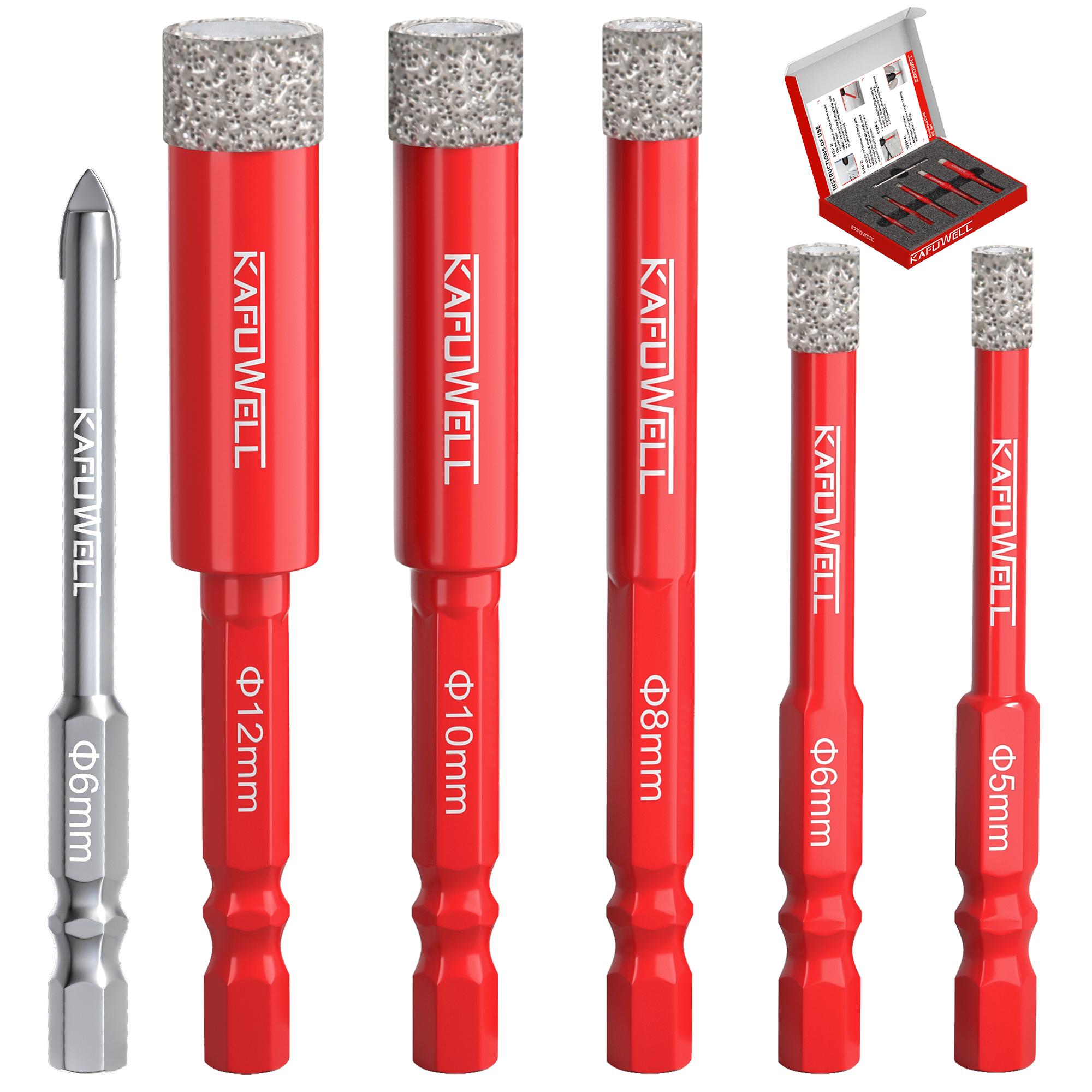
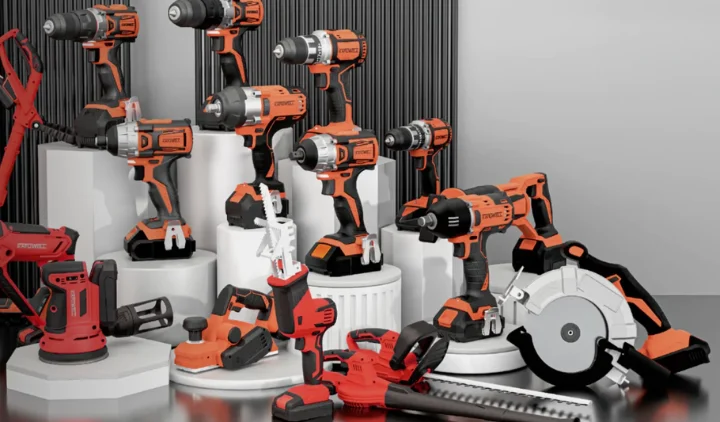
If you are looking for power tools designed with durability and quality in mind, consider exploring the full range at Kafuwell. Our tools are built to perform in challenging environments, offering reliability you can trust.