Keeping your tools safe, easy to find, and in good shape starts with organized storage. Whether you’re fixing things around the house or working as a pro, the right tool cabinet saves you time and reduces stress. It protects your tools from damage, stops them from getting lost, and keeps your workspace tidy.
Picking the best tool cabinet may feel confusing with so many options out there. By knowing what to look for, you can choose a storage solution that matches your space, needs, and budget. This guide makes the process simple so you end up with a tool cabinet you’ll use and appreciate every day.
Assessing Your Tool Storage Needs
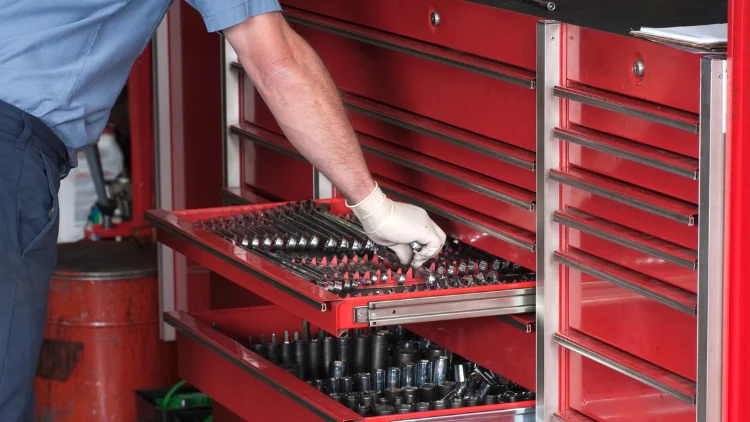
Before you jump into buying a tool cabinet, it pays to size up what you really need. Think of this as building the foundation for staying organized—not just for today, but for the future. Getting clear on what tools you own, where the cabinet will go, and whether you plan to expand your collection will help you choose smartly.
Evaluating Your Tool Collection
Start by laying out your tools or jotting them down in a list. Notice the differences in shapes, sizes, and frequency of use. Do you have more screwdrivers and small hand tools, or is your collection heavy on bulky power tools?
Consider:
- Types of tools: Think about sockets, wrenches, hammers, power tools, or sensitive measuring gear. These often need different storage solutions.
- Quantity: Count everything. A cabinet that holds a few dozen tools works differently from one built for hundreds.
- Daily essentials vs. rarely used tools: Quick-access drawers for daily go-tos make your workflow smoother.
- Specialty items: Deep drawers for cordless drills or bins for odd-shaped hand tools can keep things orderly.
Grouping similar tools together now helps you pick the right number and configuration of drawers later.
Determining Space and Placement
Where your cabinet lives makes a big difference in the style and size you should get. A garage corner, a busy workshop, or a jobsite all have different demands.
Take these steps before shopping:
- Pick the location: Will it be tucked against the wall, under a workbench, or need to move around?
- Measure your space: Use a tape measure to check width, height, and depth. Don’t forget room for cabinet doors or sliding drawers.
- Think about traffic flow: Make sure drawers or doors can fully open without blocking paths or other workspaces.
- Consider flooring: If you need casters to roll your cabinet, check that your floor is even and can handle the weight.
- Accessibility: If you use tools often, keep them close at hand instead of across the room.
A well-placed cabinet boosts productivity and keeps the area safer and neater.
Planning for Expansion
Most tool fans end up adding to their collection. Planning for that now pays off later. Choose a tool cabinet that gives you wiggle room for future purchases.
Benefits of thinking ahead include:
- Longer life for your storage solution: Cabinets with extra drawers or modular components can adapt as your needs change.
- Less clutter: Extra space means you avoid overstuffing drawers or piling tools on top.
- Saving money: A slightly larger cabinet now is often cheaper (and simpler) than replacing a too-small one later.
- Flexible organizing: Lots of compartments or adjustable trays give you options as your collection grows.
If you see yourself upgrading tools, adding specialty gear, or working on bigger projects down the road, a bigger cabinet or one with expansion options is usually the smarter buy.
Key Features to Consider When Buying a Tool Cabinet
Once you’ve sorted out your space and know what you need, the next step is picking a cabinet with features that actually make your life easier. Not every tool cabinet is built the same. The right features make it simple to organize tools and keep them safe. Let’s break down the features that matter most so you end up with a cabinet that stands up to daily use and keeps up as your collection grows.
Material Quality and Build Construction
Tool cabinets come in several materials, each with pros and cons. Material choice affects durability, weight, and price. Here’s how the main options stack up:
- Steel: Most top-quality tool cabinets use heavy-gauge steel. They hold up against dents, knocks, and rough handling. Powder-coated finishes keep rust at bay. Steel cabinets are ideal for heavy tools and busy garages but can be heavy to move.
- Aluminum: Lighter than steel but still strong. Aluminum cabinets resist corrosion (great for humid spaces), but sometimes the thinner construction may feel less sturdy for daily heavy use.
- Composite: Some cabinets use a combination of wood composites or resin cores wrapped in steel. These can be lighter and more affordable, but they rarely match the raw toughness of all-steel.
- Plastic: Lightweight, budget-friendly, and resistant to moisture. Plastic works fine for lighter loads or for hobbyists, but it cannot compete with metal when it comes to longevity or holding heavy items.
For most home users and professionals wanting long-term value, heavy-gauge steel or quality aluminum tends to outlast plastic or basic composites.
Drawer Size, Layout, and Slides
No one likes hunting through cluttered drawers. The right drawer setup keeps everything sorted and easy to grab.
- Mixed depth: Deep drawers are great for power tools and bulky gear. Shallow ones keep screwdrivers, pliers, and fasteners upright and visible.
- Drawer layout: Choose cabinets with enough drawers in a range of sizes, instead of all shallow or all deep. Modular drawers or adjustable dividers make it easier to adapt as your collection grows.
- Full-extension slides: Drawers that come all the way out make it easy to reach tools at the back. Look for ball-bearing slides for the smoothest action. This small detail pays off by preventing jams or tilts when drawers are full.
- Smooth operation: Drawers should glide smoothly without catching, even when fully loaded.
A cabinet with flexible storage options keeps daily work stress-free and cuts down on wasted time.
Security Features
Keeping your tools safe matters, whether you’re in a home garage or a shared workspace.
- Locks: Central locking systems let you secure all drawers with one key. Higher-end units feature cylinder or tubular locks that resist picking. Some add digital keypads for even quicker access.
- Secure latches: Look for positive latch designs that keep drawers shut, even if the cabinet tips or shakes during moves.
- Theft prevention: Large, heavy cabinets are less likely to walk off, but wall anchors add another layer of security. Some mobile cabinets have lockable wheels to keep them in place.
A solid lock keeps your investment safe and offers peace of mind.
Mobility and Portability Options
How often do you need to move your tools? The right style makes a big difference depending on your space and workflow.
- Rolling cabinets: These have sturdy casters that make it easy to move around the garage or jobsite. Look for cabinets with brakes so they stay still when needed.
- Stationary units: Fixed cabinets tend to offer more stability and often a higher weight capacity. They’re good for workshops or garages where space is dedicated.
- Wall-mounted options: For tight spaces, wall cabinets or overhead drawers get tools off the floor and keep your work area open.
Match the style to your daily habits. Wheels for flexibility, stationary for heavy-duty needs, or wall-mounts for small spaces.
Weight and Load Capacity
Tools get heavy fast. Pick a cabinet that can handle your current load and a bit extra for future growth.
- Check the rated weight: Manufacturers list a weight rating per drawer and for the cabinet as a whole. High-quality steel units often handle 75-100 pounds per drawer, if not more.
- Consider distributed weight: Don’t just count the individual tools, think about when every drawer is full. Overloaded drawers wear out slides, frames, and wheels.
- Support for bulkier items: Deep drawers should be sturdy enough for power tools and cases. Reinforced drawer bottoms prevent sagging.
Buying a tool cabinet that’s too light-duty leads to broken drawers and frustration down the line. Pick one with strength to spare and you’ll avoid problems as your collection grows.
Popular Types of Tool Cabinets Explained
Tool cabinets come in several shapes and sizes, each offering their own perks for storing and organizing your gear. Some are built to move with you from project to project, while others create a solid home base in your workshop. Knowing the common types makes it easier to match the right cabinet to your needs, available space, and work habits.
Rolling Tool Cabinets and Chests
Rolling tool cabinets and chests are like the Swiss Army knife of shop storage. They’re built with maneuverability in mind, making them perfect for anyone who needs tools at different locations across the garage or workspace.
- Features to expect:
- Heavy-duty wheels (casters) that swivel and lock.
- Tall cabinets with multiple drawers in various depths.
- A sturdy handle for guiding the cabinet.
- Some have a top chest that sits on a rolling base for even more storage.
- Best for:
- Mechanics and DIY fans who move between projects or workstations.
- Workshops where space shifts with each job.
- Those who want to keep tools close at hand throughout the day.
Rolling cabinets excel at storing hand tools, sockets, wrenches, and smaller power tools. Pick one with full-extension drawers for easy access, and make sure the casters roll smoothly on your floor.
Stationary Cabinets and Workbenches
Stationary tool cabinets do their best work in one spot, giving you a solid and stable space for storage. If you want the feeling of a permanent tool “home base,” this type is your go-to.
- Key features:
- Heavier, built to stay put.
- Often include reinforced steel for extra strength.
- Many combine deep drawers for power tools with shallow ones for hand tools.
- Some double as workbenches, with a tough surface for repairs and assembly.
- Best for:
- Garages, home shops, or industrial spaces with a dedicated tool area.
- People who keep bigger or heavier gear that doesn’t move much.
- Anyone needing a rock-solid work surface along with storage.
Stationary cabinets shine when you’re storing heavy or bulky items. Deep drawers, solid construction, and a wide stance keep everything safe and steady. Add a workbench top and you get two jobs done at once: storage and workspace in one.
Wall-Mounted Cabinets and Modular Systems
Wall-mounted cabinets and modular systems help you make the most out of tight spaces. By lifting storage off the ground, you free up lower areas for workbenches or rolling carts. Modular systems offer flexibility, letting you add or adjust as your needs change.
- Features to look for:
- Sturdy mounting hardware for safety.
- Locking doors to keep dust and hands out.
- Adjustable shelves or bins.
- Modular components that can snap or bolt together for expansion.
- Best for:
- Small garages, workshops, or sheds with limited floor space.
- Homeowners who want to organize only part of their tool collection.
- Those looking for a clean, clutter-free look on walls.
Wall cabinets are perfect for lighter hand tools, fasteners, or paint supplies. Modular systems can mix cabinets, drawers, pegboards, or shelves, letting you build out storage your way. They keep tools at eye level, which makes them simple to grab when inspiration (or a repair emergency) strikes.
Budget Considerations and Value for Money
A tool cabinet is an investment, not just a box for your gear. The good news is, you don’t have to empty your wallet to find something solid. The best choice is always the one that fits both your needs and your budget. Whether you’re shopping for your first cabinet or upgrading after years of tinkering, understanding what your money pays for can help you avoid buyer’s regret. Let’s look at what you really get at each price point and how it affects long-term value.
Entry-Level vs. Professional Tool Cabinets
Tool cabinets cover a wide price range, and it’s easy to get lost in the options. Entry-level, mid-range, and pro-grade models all have their place. Each brings a different mix of quality, size, and features.
Entry-Level Tool Cabinets:
- Best for home users, hobbyists, or those with smaller tool collections.
- Usually made from thinner metal or reinforced plastic.
- Simpler construction, fewer drawers, and lighter weight.
- Basic drawer slides (sometimes friction, not ball-bearing), enough for lighter loads.
- Locks, if present, may be more about keeping kids out than real theft protection.
You get decent organization for basic hand tools and a price that won’t sting. Just know these may not hold up to heavy gear, rough use, or long-term daily work.
Mid-Range Tool Cabinets:
- Ideal for serious DIYers and those building a bigger collection.
- Usually all steel with thicker gauge and powder coating.
- Ball-bearing slides, mixed drawer sizes, full-extension drawers for easier access.
- Better locks, more solid handles, and wheels that roll smoother and carry more weight.
- Higher load limits per drawer—often strong enough for small power tools or heavier hand tools.
Here you find real value. Mid-range cabinets often last for years, offering a good mix of price and durability.
Professional Tool Cabinets:
- Built for busy workshops, mechanics, or anyone using tools all day.
- Heavy-gauge steel construction, resistant to bends and dents.
- Drawers glide smoothly under heavy loads, thanks to top-tier ball-bearing slides.
- Bigger, deeper drawers with reinforced bottoms hold heavy tools easily.
- Security shines here, with better locks and sometimes digital access or anti-tilt safety features.
- Often modular or expandable, connecting with other storage or workbench components.
These are priced higher but deliver the best value for anyone putting their tools (and cabinets) through the wringer daily. The upfront cost pays off through years of hassle-free use.
To sum up the comparison, here’s what you typically see at each level:
| Price Point | Best For | What You Get |
| Entry-Level | Beginners, hobbyists | Lighter build, basic slides, fewer drawers |
| Mid-Range | Active DIYers | All-steel, ball-bearing slides, more options |
| Professional | Pros, mechanics | Heavy-duty build, security, smooth drawers |
Pick the bracket that makes sense for your needs. If you expect your tool collection to grow, stepping up to mid-range often saves you from outgrowing your cabinet in a year.
Top Tips for Maintaining and Getting the Most from Your Tool Cabinet
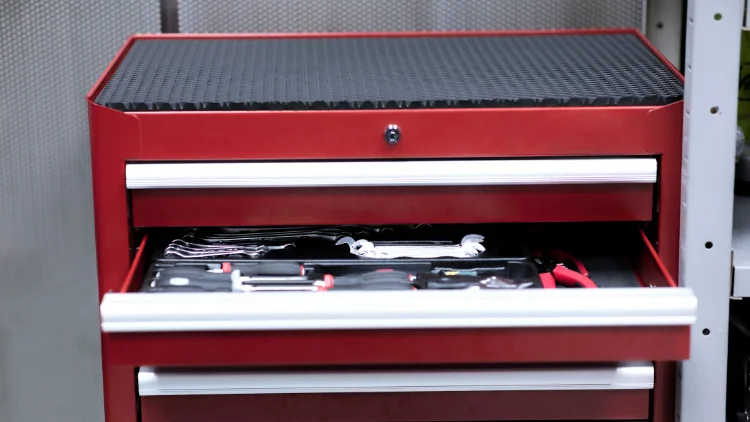
Once you’ve picked the right tool cabinet, the next step is keeping it in top shape. The way you organize and care for your cabinet matters just as much as choosing the right one. When your cabinet stays clean and your tools are easy to find, you save time and cut out daily frustrations. Use these smart strategies to make the most of your investment and keep your workspace running smoothly.
Organization and Labeling Strategies
A messy tool cabinet means lost time and tools gone missing. Good organization keeps your work running at full speed. Start with a simple system and stick with it—even a few minutes spent setting up makes future jobs easier.
Try these ideas:
- Sort by type and function: Keep screwdrivers together, wrenches in one spot, and power tools in deep drawers. If you use something every day, place it near the top.
- Use drawer organizers or foam inserts: These keep tools from sliding around and let you spot what’s missing at a glance. Pre-cut foam inserts can be shaped to your tools or you can use adjustable dividers for flexible storage.
- Label every drawer: Use a label maker, masking tape, or permanent marker. Even simple handwritten labels save time and prevent the “which drawer was that in?” problem.
- Group small parts: Store screws, bits, sockets, and other tiny pieces in small bins or sectioned trays inside the drawers.
- Post a master inventory: Tape a quick reference list or a printed diagram inside the cabinet door, so others can help put tools back in the right spot.
Review your setup every few months—what works in the beginning might need tweaks as you buy new gear or switch projects.
Routine Maintenance and Care
A tool cabinet takes a lot of daily abuse, especially in a busy workspace. With a few simple steps, you can keep it rolling smooth and looking new for years.
Keep your cabinet in good shape by:
- Cleaning up spills right away: Wipe oil, grease, or liquids before they stain or cause rust. A weekly wipe-down keeps drawers sliding easy.
- Lubricate the drawer slides: Use a silicone spray or light oil every few months to prevent sticking and squeaks, especially if you notice drawers dragging. Ball-bearing slides last longest when clean and oiled.
- Check and tighten fasteners: Casters, handles, and lock hardware can work loose over time. Inspect them occasionally and tighten with a wrench or screwdriver as needed.
- Inspect for rust or damage: Scratches can lead to rust spots, especially if your cabinet gets damp. Cover any chips with a little paint or rust inhibitor.
- Empty and reorganize now and then: Every season, empty each drawer, wipe it clean, and put things back in their right place. It’s a great chance to get rid of what you don’t use.
- Keep heavy items low: Place bulky or heavy power tools in the lowest drawers. This prevents tipping and stress on drawer slides.
A little care goes a long way. Regular checkups keep your cabinet functional and reliable, so your tools are always ready when you need them.
Conclusion
Choosing the right tool cabinet starts with understanding your tool types, workspace layout, and usage habits. From material quality to drawer structure, from safety features to load capacity and mobility, every detail matters in delivering a reliable user experience.
If you’re looking for a truly durable and well-designed tool cabinet, we recommend taking a look at our two featured models:
The PK4578T Modular Tool Cabinet offers an extendable worktop and detachable side unit, making it an excellent choice for heavy-duty users and workshop teams.
The PK4540T Seven-Drawer Tool Cabinet, with its compact design, is ideal for small workshops and entry-level users.
We understand that every user’s needs are unique. If you’re unsure which tool cabinet best suits your workspace, feel free to contact us. Our team is always ready to provide you with personalized recommendations.