Mining has long been a cornerstone of South Africa’s economy. However, mining conditions are notoriously harsh, often characterized by extreme dust, high humidity, and temperature fluctuations. Under such challenging conditions, standard industrial-grade electric tools typically fail to perform effectively, frequently leading to equipment breakdowns, prolonged downtime for repairs, and safety risks due to improper tool selection.
For professionals involved in equipment procurement, maintenance, or operational management at mining sites, it’s essential to deeply understand the specific demands and conditions of South Africa’s mining sector.
Common Electric Tools Used in South African Mining
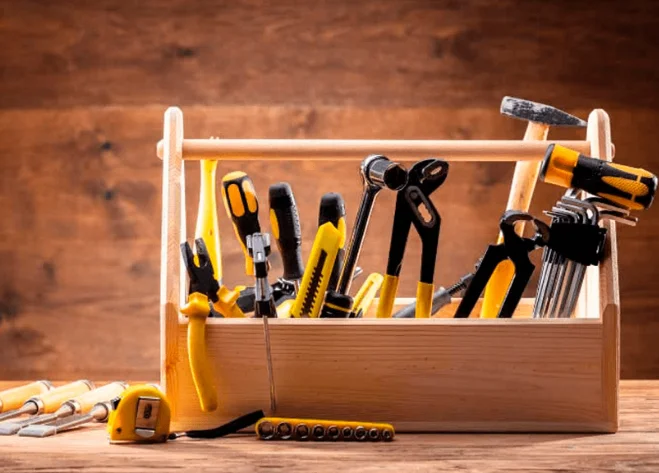
When choosing electric tools for mining, it’s crucial for operators to thoroughly understand the features, limitations, and ideal scenarios for each type of equipment. Below, we introduce the most frequently used electric tools in South African mining, highlighting their unique functionalities and recommended applications.
Rotary Hammers and Electric Drills
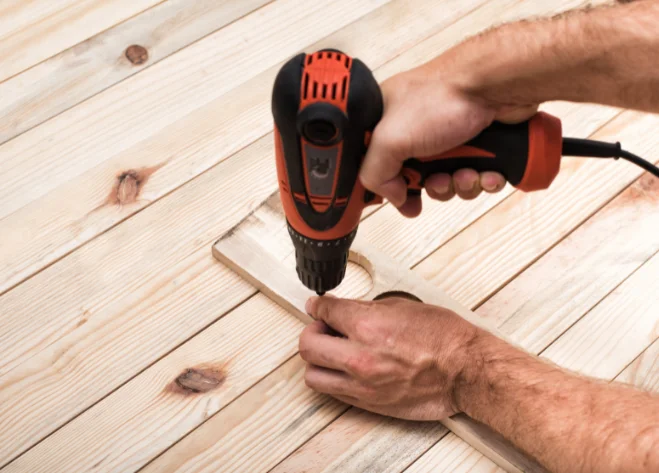
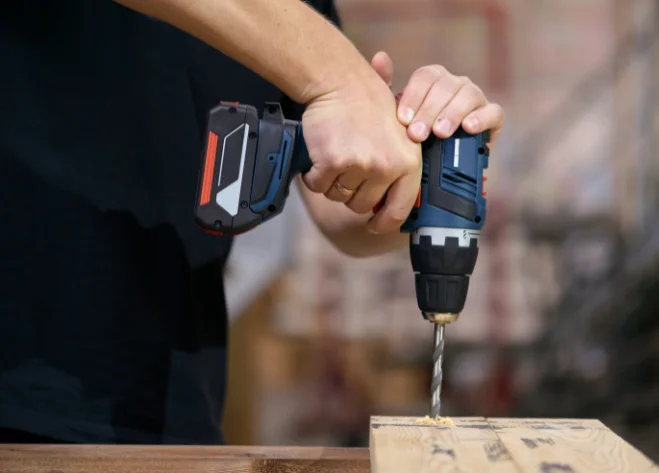
Rotary hammers and electric drills have become indispensable due to their versatility. These tools can perform both drilling and hammering tasks efficiently, allowing users to drill into concrete, solid rock, and reinforced structures. They’re commonly used for installing rock bolts, setting up structural supports, and geological core sampling.
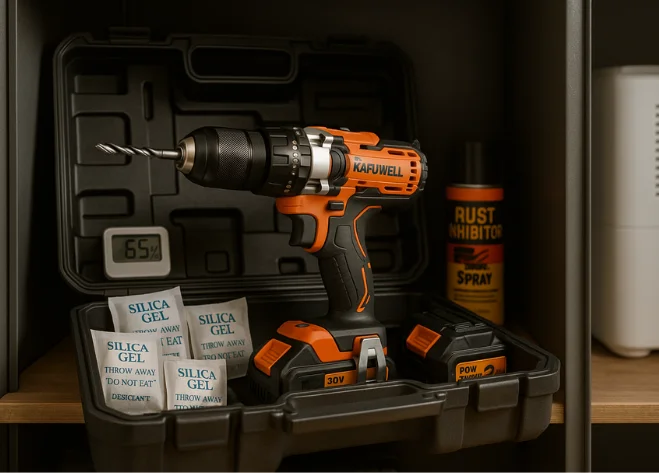
Given the demanding South African mining environment, it’s critical to select rotary hammers that feature robust outer casings, advanced sealing technologies, and effective dust protection to prevent internal component wear. Additionally, mining personnel often prefer ergonomically designed tools, providing comfortable operation and reducing fatigue during prolonged underground work.
Angle Grinders and Cutting Tools
Angle grinders and electric cutting tools are essential for precise cutting and shaping tasks in mining operations, such as cutting reinforcement bars, pipelines, structural supports, or composite materials used underground.
In South African mining, durability and safety are particularly critical. Miners prefer tools featuring vibration reduction technology, reinforced safety guards, and long-lasting cutting discs, reducing equipment wear. Furthermore, because underground spaces are confined and often subject to high temperatures, choosing tools equipped with thermal overload protection significantly enhances both safety and tool longevity.
Electric Demolition Hammers
Electric demolition hammers, also known as breaker hammers or jackhammers, are commonly used for breaking rock surfaces, concrete slabs, and various demolition tasks during shaft excavation, tunnel expansion, and rock obstruction removal.
Considering South Africa’s complex geological conditions, it’s crucial to select demolition hammers known for high durability and effective shock absorption. Ergonomic design is equally important, particularly for extended continuous use. Tools with anti-vibration handles and low-noise operation significantly enhance user comfort and safety in mining environments.
Innovative and Specialized Electric Tools for Mining
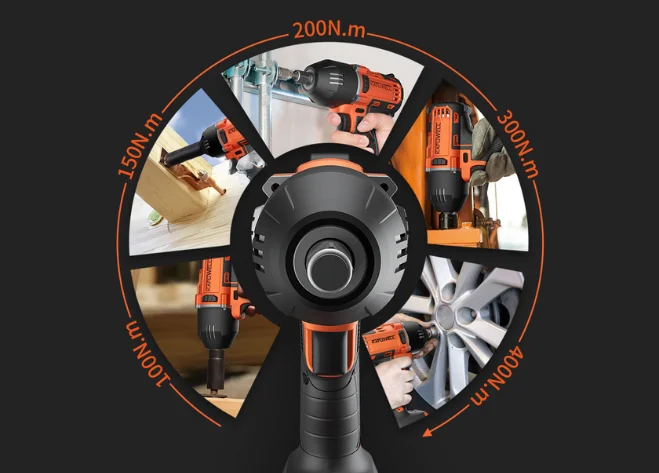
Beyond conventional electric tools, South Africa’s mining industry is increasingly adopting innovative and specialized equipment. Examples include cordless lithium-ion impact wrenches, explosion-proof tools, and smart diagnostic devices. These tools offer advantages such as portability, lower maintenance requirements, and real-time performance monitoring, dramatically boosting operational safety and efficiency.
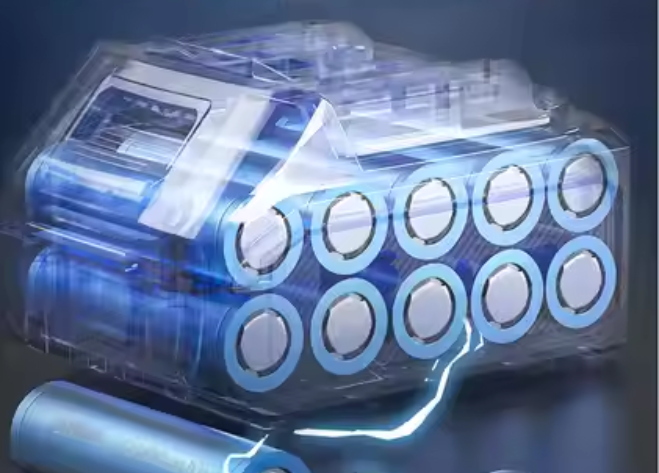
Cordless electric tools powered by advanced lithium-ion technology are especially popular in remote or underground mining operations. In explosive atmospheres or environments with combustible dust, selecting intrinsically safe certified equipment compliant with strict South African safety standards has become mandatory.
Key Factors for Selecting Electric Tools in South African Mining
Choosing appropriate electric tools for mining in South Africa requires a balanced assessment of performance, reliability, and cost-effectiveness. Due to the vast array of available products, mining professionals should carefully evaluate equipment according to their specific operational conditions.
Critical Selection Criteria
Durability is among the most critical factors directly impacting mining efficiency. Frequent equipment failures can severely reduce productivity and inflate maintenance costs. Tools specifically designed to withstand dust, moisture, and intense vibrations consistently outperform standard industrial equipment.
Safety compliance is equally important. South Africa’s stringent mining safety regulations require electric tools to meet specific standards, such as explosion-proof or intrinsic safety certification. Ensuring tools comply with local regulations significantly reduces legal and operational risks.
Ergonomic considerations cannot be overlooked. Tools designed to minimize vibrations, provide comfortable grips, and evenly distribute weight help reduce worker fatigue, boosting both productivity and safety.
Recommendations on Local and International Brands
While the global market offers numerous power tool brands, certain manufacturers and suppliers have distinguished themselves in the South African mining sector through reliable performance and comprehensive local after-sales support.
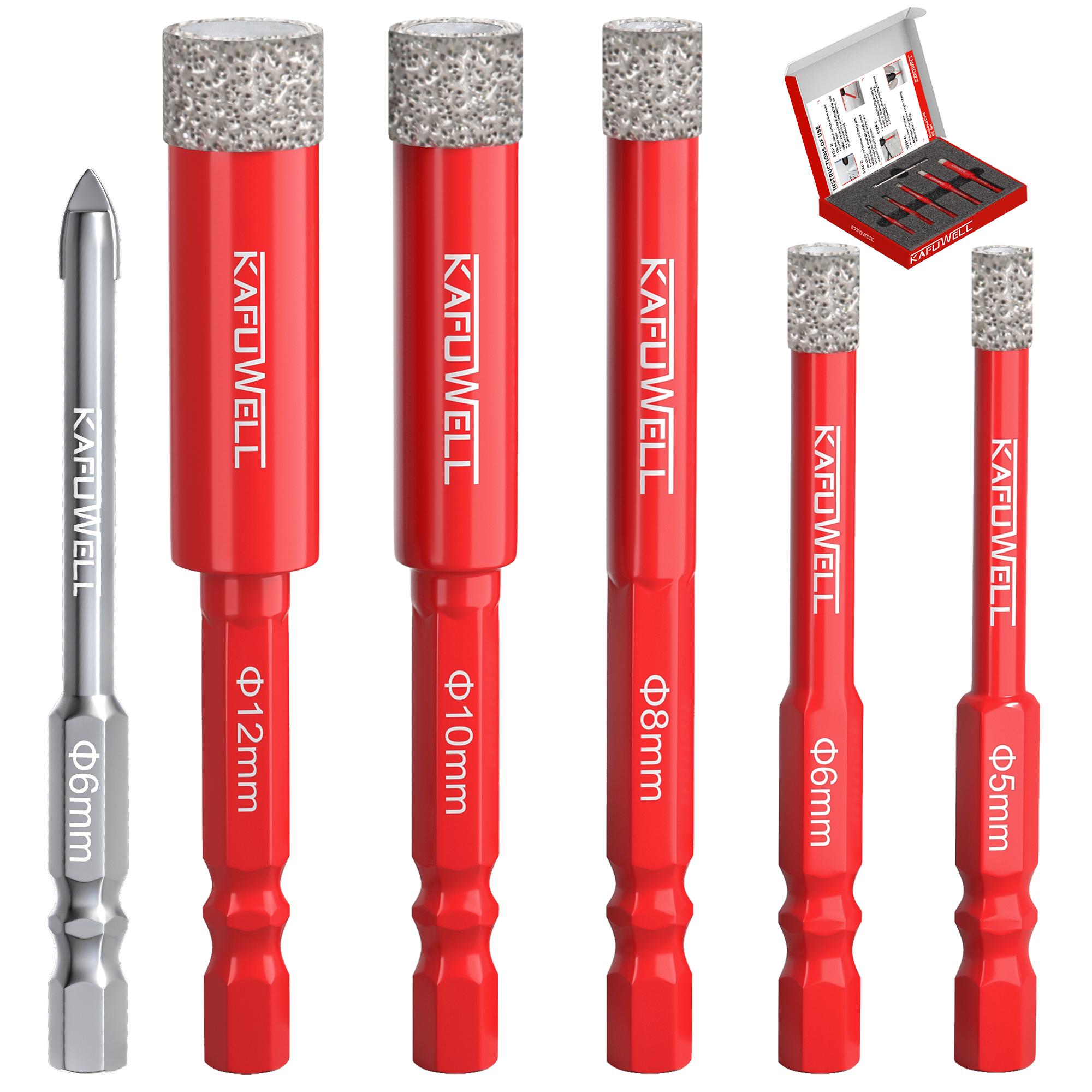
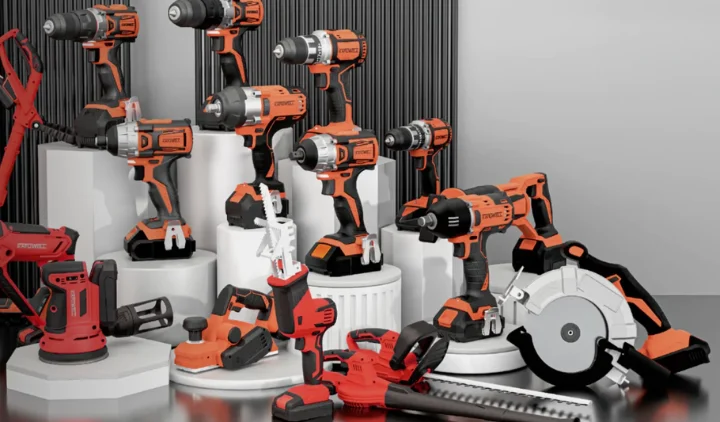
Besides internationally recognized brands like Bosch and Makita, specialized brands such as Kafuwell have gained an excellent reputation in South African mining. Like major international brands, Kafuwell designs electric tools specifically for demanding mining conditions, known for their durability, reliability, and performance. Furthermore, Kafuwell maintains a responsive local support network, offering prompt spare parts supply, equipment maintenance, and technical training, thereby ensuring efficient and safe mining operations.
Significantly, Kafuwell offers a competitive price advantage compared to many international brands, enabling mining companies to maximize tool investment value within budget constraints. This cost-effectiveness particularly appeals to cost-conscious mining procurement professionals.
Regulatory and Quality Certification Requirements
When purchasing electric tools for South African mining, understanding local regulatory standards is vital. The country’s certification system primarily involves two key regulatory bodies: the South African Bureau of Standards (SABS) and the National Regulator for Compulsory Specifications (NRCS).
The SABS develops and publishes South African National Standards (SANS), covering a range of mining-related equipment standards, including motor efficiency testing, structural safety assessments, and dust explosion ratings. SABS certification signifies that a product has passed rigorous testing and ongoing manufacturing process audits, assuring consistent quality and reliability, thus reducing procurement risks.
Established in 2008, the NRCS is an independent regulatory body responsible for compulsory specification approvals of imported or locally sold electric tools, focusing on electrical safety, EMC (Electromagnetic Compatibility), labeling, and overall product safety. Electric tools sold legally in South Africa must have NRCS-issued Letters of Authority (LOA). Failure to comply can result in product seizure, fines, or severe regulatory consequences.
Summary
Kafuwell has always been dedicated to providing mining customers with high-quality power tools and comprehensive solutions.
With strong R&D capabilities, Kafuwell develops electric tools that are specifically engineered to withstand the harsh conditions of mining environments—delivering durability, stable performance, and full compliance with safety standards. In addition to its standard offerings, Kafuwell also provides flexible OEM/ODM customization services, allowing clients to tailor tools to their specific operational needs, including customized specifications, design, and brand packaging. This ensures a more precise and effective solution for diverse customer requirements.