Have you ever wondered about the difference between an impact wrench and an impact driver? They sound similar, but they actually do completely different jobs. This article will explain the difference between the two and see which one is right for your toolbox!
What is an Impact Wrench?
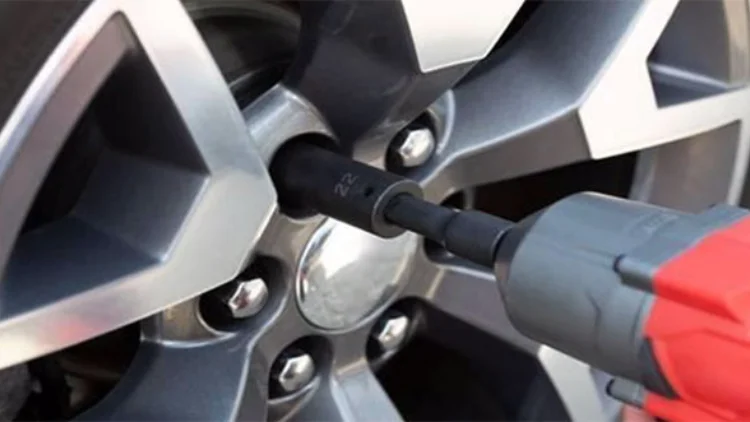
Think of an impact wrench as the heavy-duty muscle of the tool world. This tool is mainly used for automotive work. You can attach a socket set to it and easily remove and replace car tires. Automotive technicians and factory mechanics rely on this tool every day.
Impact wrenches typically come with 1/4-inch, 3/8-inch, or 1/2-inch square drives. This measurement refers to the diagonal length of the square, not the front-to-back distance. The torque of an impact wrench starts at around 100 ft-lbs and can easily exceed 1000 ft-lbs.
There are two main types of drives:
- Friction Ring: Many prefer this type because it makes it easier to attach and remove sockets.
- Pin Detent: Some professionals prefer pin detent because it provides extra security.
When Do You Need an Impact Wrench?
- Removing lug nuts from car tires
- Performing automotive repairs
- Assembling heavy machinery
Want to add this powerful tool to your toolbox? Check out impact wrenches at Kafuwell.
learn more: A Guide to Impact Wrenches
What is an Impact Driver?
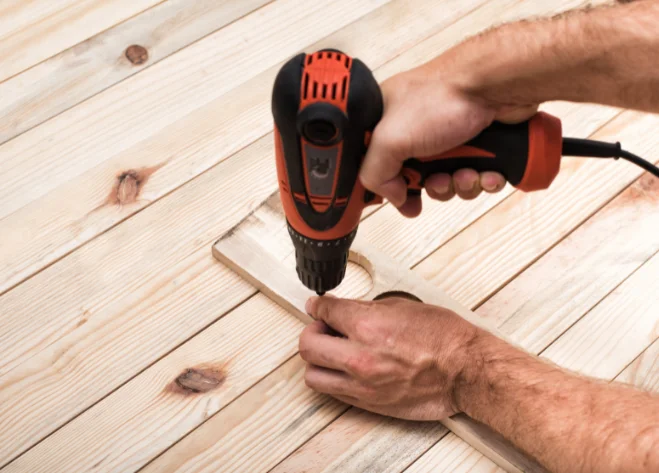
Next, let’s talk about impact drivers. They are also powerful tools, but more versatile than impact wrenches. All impact drivers use a 1/4-inch hex shank, which is a standard size.
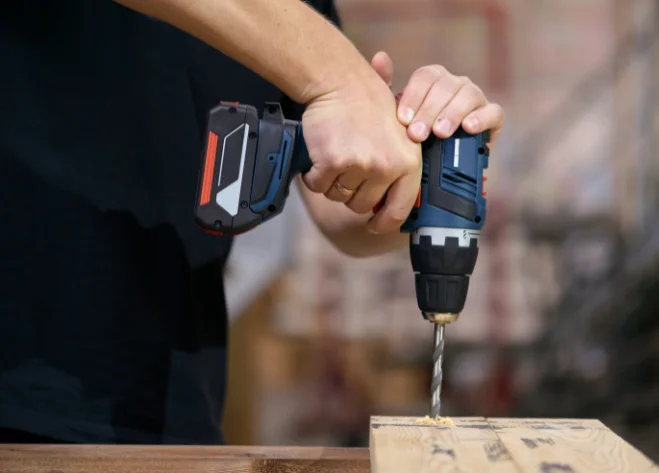
With different bit attachments (whether it’s Phillips, square, or Torx heads), an impact driver can handle a wider range of tasks. You can even use it to drill holes. However, it truly excels at driving screws.
Unlike impact wrenches, which measure torque in foot-pounds, impact drivers use inch-pounds. You can find impact drivers with over 2000 inch-pounds of torque. An impact driver with at least 1,600 inch-pounds is sufficient for professional use.
Who Would Use an Impact Driver?
- Homeowners working on DIY projects
- Carpenters building structures
- Construction workers on job sites
When Do You Need an Impact Driver?
- Driving screws into wood or other materials
- Drilling holes for various projects
- Hanging conduit or other fixtures
Impact Driver Vs Impact Wrench: Key Differences
So, what exactly makes these two tools so different? It mainly comes down to their uses, size, and the types of fasteners they handle. Let’s take a closer look:
Uses & Applications
- Impact Wrench: Best for high-torque work, such as automotive repairs.
- Impact Driver: More suited for driving screws and light drilling, with a broader range of functions.
Size & Design
- Impact Wrench: Larger and heavier.
- Impact Driver: More compact and easier to operate in tight spaces.
Bit/Socket Compatibility
- Impact Wrench: Uses sockets to remove nuts and bolts.
- Impact Driver: Uses hex bits to drive screws and do some drilling.
Torque Output
- Impact Wrench: Provides higher torque, ideal for handling tough fasteners.
- Impact Driver: Has moderate torque, sufficient for most screw-driving tasks.
| Feature | Impact Wrench | Impact Driver |
| Torque Output | High | Moderate |
| Size | Larger | Compact |
| Common Uses | Automotive repairs, removing lug nuts | Driving screws, drilling pilot holes |
| Bit/Socket Compatibility | Sockets | Hex bits |
Which Tool Should You Choose?
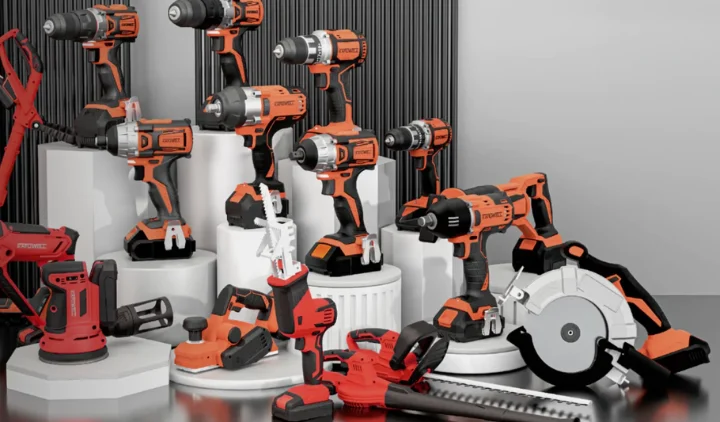
Choosing between an impact wrench and an impact driver depends on the type of projects you’re working on. If you mainly perform automotive repairs or heavy machinery work, then the impact wrench is your ideal choice.
If you need a versatile tool to handle a variety of tasks, then the impact driver is more suitable. Both tools are powerful, cordless, and valuable assets for any toolbox.
Frequently Asked Questions
Can I Use an Impact Driver to Remove the Wheel Nut?
The answer is yes, but it depends on the torque setting of the wheel nut, which varies by vehicle model and is usually between 80 ft-lbs and 120 ft-lbs. Some vehicles, such as heavy trucks, require more torque.
What Is the “shock” Tool?
Impact drivers and impact wrenches both use a special mechanism. When you encounter resistance when driving screws, bolts or nuts, you will hear a hammering sound. This sound means that the “rotating hammer” is working.
Think of it this way: have you ever tried to loosen a very tight nut with a normal wrench? What do you do? You probably take a hammer and hit the wrench. This hammering breaks up the friction and allows the nut to turn. Impact drivers and impact wrenches do exactly that, but they do it automatically! They keep turning with small, powerful hammer blows, making it easy to tighten and loosen.
Why Can’t You Use Regular Sockets with Impact Wrench?
Impact wrenches cannot use ordinary sockets because ordinary sockets cannot withstand the high torque generated by the impact mechanism and the rotational force will quickly crack and break, causing tool damage and safety problems.
Professional impact sockets are 25%-50% thicker than ordinary sockets, or even thicker. In addition, impact sockets use stronger materials (such as chrome molybdenum steel, chrome vanadium steel, etc.) that are more durable and resistant to wear.
What is the difference between 1 2 and 3 8 impact wrenches?
The main difference between 1/2“ and 3/8” impact wrenches is the size of the driver and the torque it can withstand. 1/2” impact wrenches can deliver higher torque, from 150 to over 1,000 ft-lbs (depending on the model). They are ideal for heavy-duty tasks.
3/8-inch impact wrenches, on the other hand, generally have lower torque output, usually between 50 and 500 ft-lbs. They are suitable for tasks that require precision and moderate power.