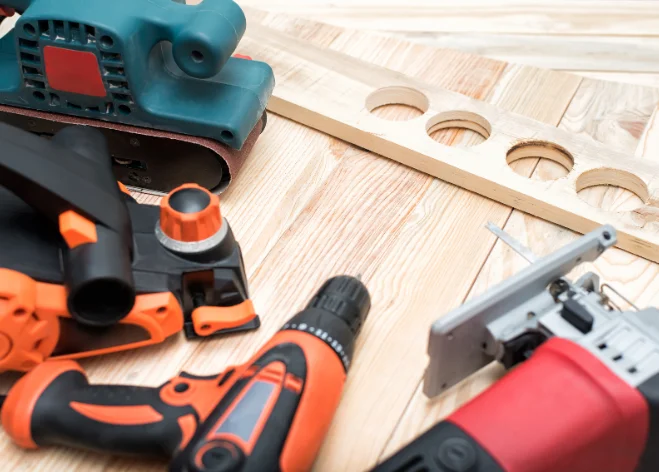
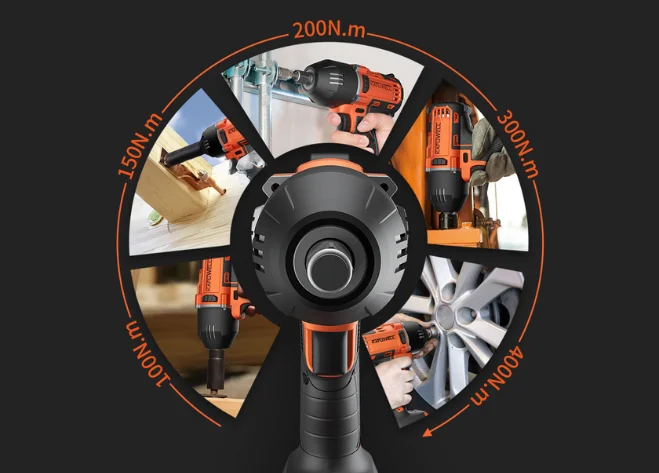
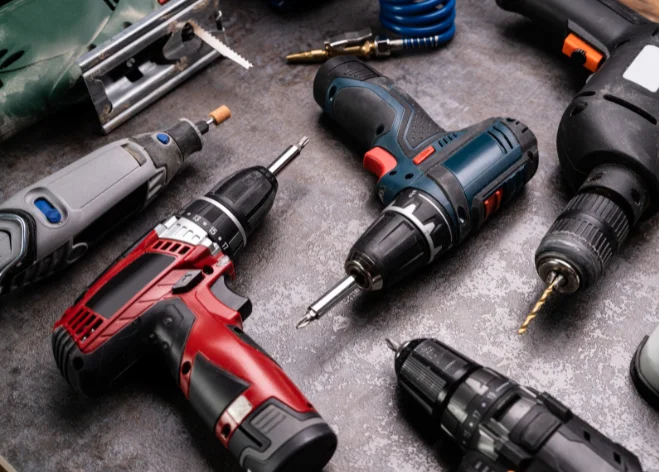
When it comes to drilling, two tools are often mentioned: the impact drill and the hammer drill. While they may look similar at first glance, their intended uses are quite different.
In this article, we will break down the features of both tools in detail, helping you make an informed decision based on your specific needs.
What is an Impact Drill?
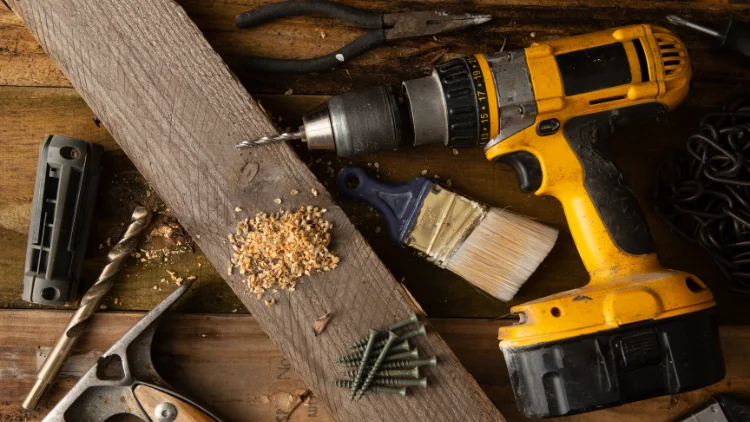
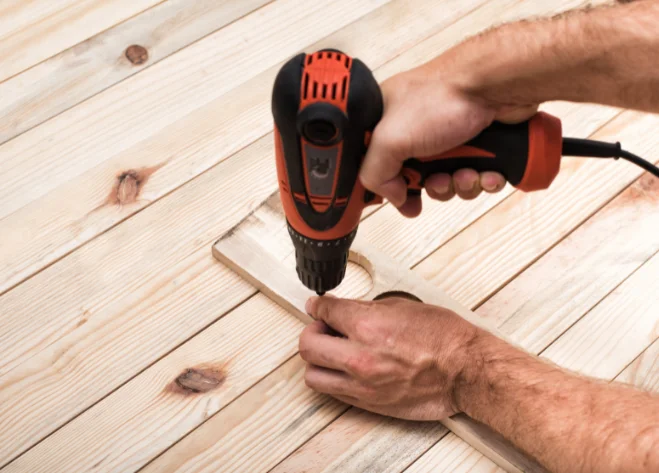
An impact drill is a highly versatile power tool designed to handle everyday drilling and screw-driving tasks. It reduces effort and boosts efficiency, making it an essential tool for DIY enthusiasts, professional technicians, and light construction workers. It is ideal for light to moderate drilling jobs, such as drilling into wood, plastic, thin metal sheets, or drywall.
Key Features
- Rotational Impact Mechanism: The impact drill’s mechanism delivers short bursts of high-torque, allowing for quick and efficient drilling. This helps prevent the tool from getting stuck, even when working with tougher materials.
- Lightweight and Compact: Lighter than many other power tools, typically weighing between 1 to 2 kg. Its compact design allows for easy use in tight spaces, making it ideal for tasks in confined areas.
- Adjustable Speed Settings: Most impact drills come with multiple speed settings, allowing users to adjust the speed based on the task at hand. This feature is especially useful for tailoring the drill speed to different materials.
- Versatility: Not only does it drill, but it can also drive screws efficiently, making it perfect for tasks like furniture assembly, home renovations, and other general repairs.
What is a Hammer Drill?
A hammer drill is a more specialized tool that combines traditional drilling with a hammering action. It is the ideal choice when you need to drill into hard materials like concrete, brick, or stone.
Key Features
- Hammering Action: This tool combines rotational and hammering forces, using short bursts of impact to push the drill bit forward while rotating. This allows it to break through tough surfaces without causing damage to either the tool or the material.
- Higher Power Output: It delivers more power, making it perfect for tough materials like concrete.
- Multiple Drilling Modes: Many hammer drills come with a mode selector, allowing you to switch between drilling, hammering, or a combination of both, depending on the task at hand.
- Impact Energy: The higher the impact energy (measured in joules), the better the drill bit performs on harder surfaces.
Difference Between Hammer and Impact Drill
While both tools are designed for drilling, their functions, designs, and suitability for various tasks differ significantly.
Power
Impact drills typically operate at higher speeds (1,500-3,000 RPM) and provide moderate torque (20-50 Nm), making them ideal for DIY projects and light renovation work.
Their power ranges from 500W to 800W, with an impact frequency of about 40,000-60,000 impacts per minute, perfect for materials such as wood and plastic.
On the other hand, hammer drills combine rotational force with hammering action, offering higher impact energy (1.5J to 6J). They operate at lower speeds (800-1,500 RPM), making them suitable for more demanding tasks like drilling into concrete.
With power ranging from 800W to 1,500W and an impact frequency of 30,000 to 60,000 impacts per minute, hammer drills are perfect for construction sites and large-scale renovation projects.
Tool Design and Operation
Impact drills are generally lighter and more compact, typically weighing between 1 to 2 kg. Their ergonomic design and lighter weight make them easy to use for extended periods without causing fatigue.
In contrast, hammer drills are heavier due to their larger motor power and additional components for the hammering mechanism. They can weigh over 2 kg, and prolonged use may lead to fatigue, but this extra weight contributes to the additional power required for more intensive tasks.
Durability
Impact drills are typically used for light to moderate professional tasks and have a long lifespan, though they are not designed for continuous heavy-duty use.
Hammer drills, however, are built for heavy-duty applications and are designed to withstand prolonged use. Their robust construction and higher power output make them the tool of choice for professionals and construction sites that require reliability and durability over time.
Cost
Impact drills are generally more affordable than hammer drills, making them an attractive option for those on a budget, especially for light to medium tasks.
Hammer drills, due to their increased power and added functionality, are usually more expensive. However, for those working on large-scale construction projects or regularly needing to drill into tough materials, this higher cost is a worthwhile investment.
Noise and Vibration
Impact drills generate less noise and vibration compared to hammer drills, which makes them more comfortable for extended use. Hammer drills, on the other hand, produce more noise and vibration, which can lead to discomfort or fatigue after prolonged operation.
However, this is a trade-off for the tool’s increased power and ability to break through hard materials. Regular hammer drill users are often advised to wear protective equipment, such as ear protection and vibration-reducing gloves, to minimize these effects.
Read more: What Is the Best Power Tool Brand

Conclusion
Both impact drills and hammer drills are indispensable tools in any work setting, each suited for different tasks. The choice between them depends on your specific needs, the materials you’re working with, and the scale of your project.
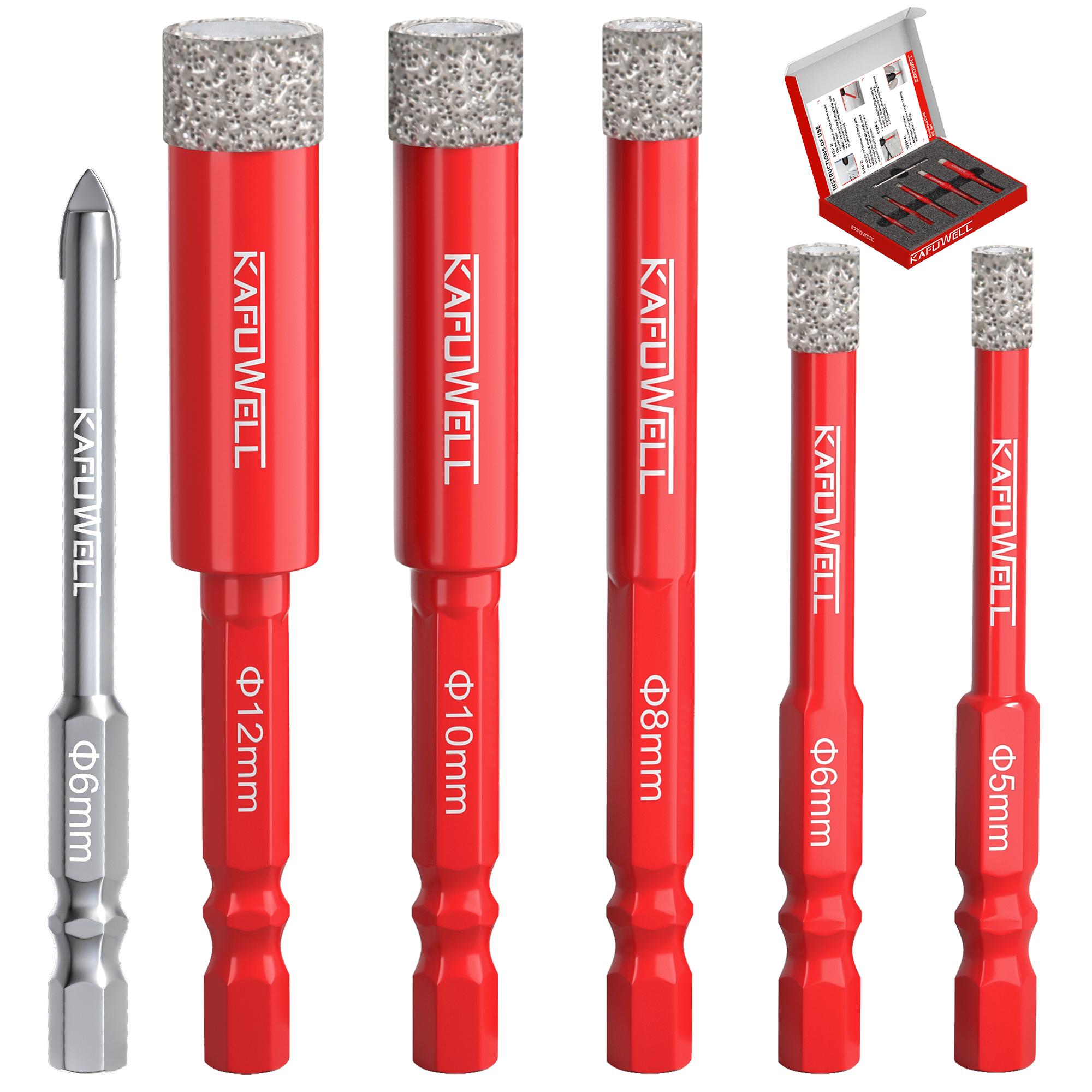
If you’re looking for the perfect tool for your next project, Kafuwell is the choice you can’t afford to miss, offering a perfect balance of performance, quality, and price. Whether you’re in need of professional-grade tools or bulk purchasing, Kafuwell provides the ideal solutions to help you tackle any challenge with ease.