Finding a reliable Chinese power tool supplier can change the trajectory of your business. The right partner helps you control costs, expand SKUs, deliver on time, and avoid constant “firefighting.” The wrong choice does the opposite.
With thousands of factories and wholesalers out there, a clear, actionable process is essential. This guide walks you through screening criteria, verification steps, and how to start small and build toward a long-term partnership.
Why Source Power Tools from China
A Mature Manufacturing Ecosystem
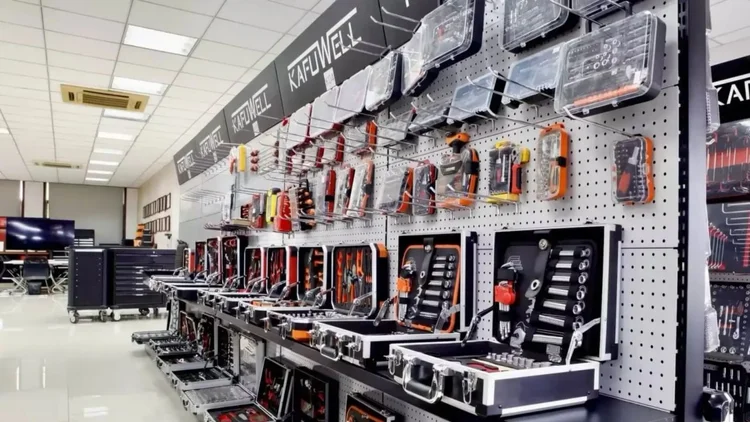
China’s tool industry benefits from dense industrial clusters: casting, machining, heat treatment, assembly, packaging, and logistics often operate side by side in the same region. Cities like Yongkang, Ningbo, and Hangzhou each have their strengths, creating steady component supply and broad finished-goods choice. This clustering lowers supply risk and lets buyers match quality tiers to target markets.
Cost and Supply Advantages
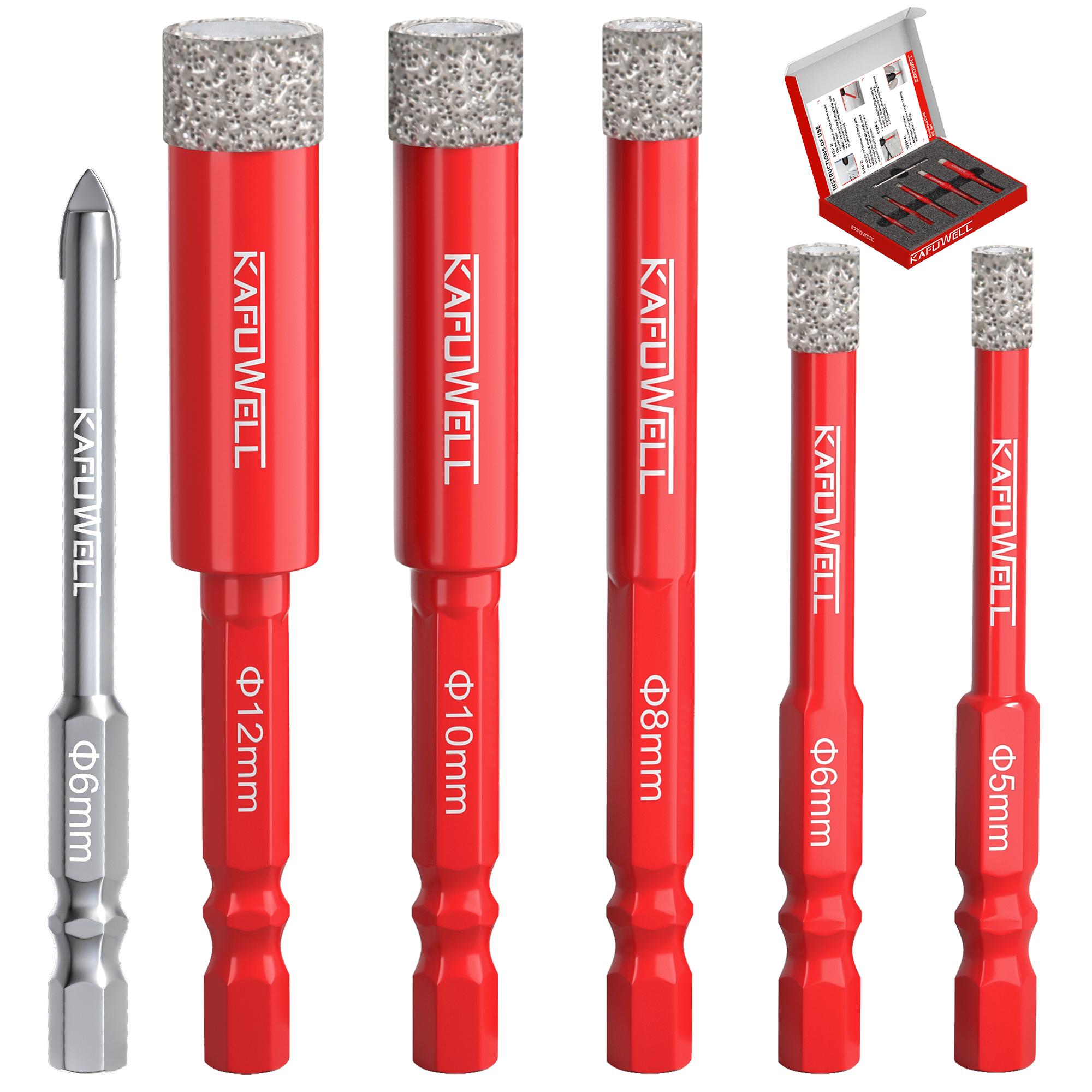
Through scaled coordination of raw materials, components, and labor, Chinese suppliers can cover multiple price bands—from pro-grade to household use—while offering deeper SKU catalogs, from impact wrenches and socket sets to drill bits, chisels, and other accessories. For distributors and retailers, this means fewer detours and faster time to shelf.
When China Is the Right Choice
If you need to expand your lineup quickly, pilot new SKUs in small batches, or ensure steady replenishment across multi-store channels, sourcing from China is especially effective. When your priorities include “catalog depth, seasonal flexibility, and complete export documentation,” China should be on your shortlist.
Supplier Types You’ll Encounter
Manufacturers vs. Trading Companies
Manufacturers run their own lines, so consistency and lead times are typically more controllable, and technical details are explained more precisely (though custom MOQs may be higher). Trading companies act as intermediaries, aggregating multiple factories for broader selection, but quality control and communication can vary. For most distributors, an “export-capable manufacturer” or a hybrid “factory + wholesale” supplier balances reliability with flexibility.
Wholesale-Oriented Suppliers
Some suppliers don’t focus on custom OEM; instead, they optimize a “stock wholesale” model: on-hand inventory, structured SKU catalogs, and support for small trial orders. For hardware stores, regional distributors, and e-commerce sellers who prefer quick replenishment and category testing, this model is very friendly.
Key Criteria for Evaluating Reliability
Product Quality & Certifications
Request evidence of quality systems: ISO 9001 for process control; CE / RoHS for applicable markets; BSCI or similar for social responsibility where required. Ask for test reports and product data sheets (e.g., torque, lifecycle, insulation rating, safety design). When documentation aligns with actual samples, it’s a strong reliability signal.
MOQ, Pricing & Lead Time
Understand their MOQ logic. Reliable partners will allow small starts, provide a clear price ladder, and realistic replenishment cycles. Make sure you understand EXW vs. FOB differences, units per carton, and add-on costs like packaging/labeling. If lead times are vague or constantly shifting, your inventory plan will suffer.
Communication & Documentation
Response speed isn’t superficial—it reflects operational capability. Reliable suppliers reply quickly, give specific answers, and share standardized documents: quotations, spec sheets, packing lists, compliance certificates, and more. Consistent English, unit alignment (metric/imperial), and complete model codes reduce downstream errors.
After-Sales & Warranty
Confirm warranty terms, spare-parts availability, RMA mechanisms, and failure-report workflows. Clarify how claims are handled, who pays which freight under what conditions, and how root-cause analyses are documented. A solid after-sales framework reduces friction between you and your end customers.
How to Verify Before You Order
Sample Validation
Start with samples and check:
- Performance/Feel: torque output, trigger linearity, noise/vibration
- Assembly/Appearance: housing seams, fastener reliability, surface finish
- Electrical/Safety: insulation, grounding, warnings and manuals
- Packaging/Logistics: carton strength, internal protection, scannable barcodes
Background & Export Footprint
Review business licenses and export records, plus long-term profiles on Alibaba, Made-in-China, Global Sources, etc. Note served markets and tenure. Cross-verify address, phone, and tax numbers. Longevity and consistency matter.
Factory Audit or Remote Video Tour
If an on-site visit isn’t feasible, schedule a video walkthrough. Ask to see incoming-materials areas, machining, assembly lines, torque/lifecycle test stations, packaging, and finished-goods warehouses. Look for posted work instructions, inspection sheets, and valid calibration certificates—ideally visible on the walls.
Order Models That Reduce Risk
Start Small, Scale in Stages
Use small orders to validate quality, documentation, and logistics. Based on results, move to the next stage: broaden SKUs, scale up winning items, and phase out slow movers. This cadence protects cash flow and helps you fine-tune pricing and positioning.
Mixed-Carton Orders
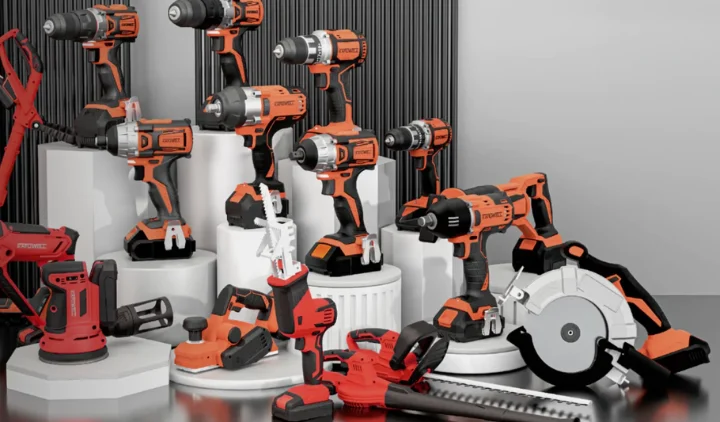
Testing multiple SKUs in one shipment is an efficient way to trade minimal inventory for real demand data. For example, Kafuwell supports one-carton minimums and mixed-SKU cartons, which is especially useful for new distributors and independent retailers.
Payments & Incoterms Basics
Define payment terms (e.g., T/T deposit/balance) and agree on Incoterms. EXW puts more logistics on you; FOB splits risk at the port of loading; CIF includes freight and insurance. Align packaging, labeling, and pallet specs before production to avoid late changes.
Common Pitfalls—and How to Avoid Them
Chasing the Lowest Price
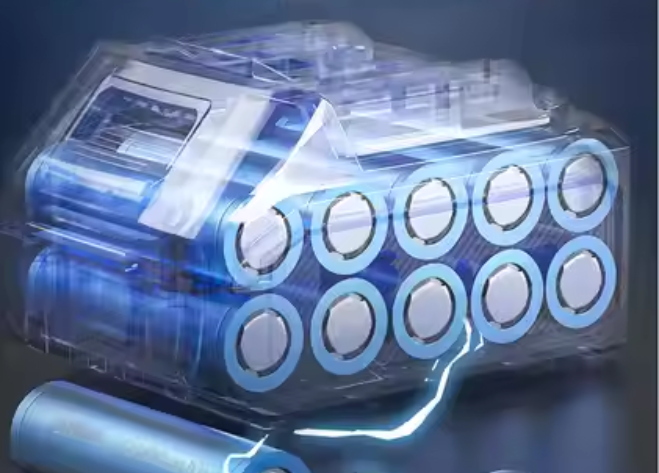
Ultra-low quotes can imply downgraded materials, weaker processes, lower-grade cells, or insufficient testing. Evaluate landed cost + expected warranty rate + user satisfaction together. A slightly higher unit price can be “cheaper” once returns and reputation are factored in.
Skipping Sample Lock-In
If you don’t lock specs, packaging, inspection criteria, and acceptance standards, you leave room for change. Use a signed spec sheet and golden sample, and reference both in the purchase contract to prevent parameter drift.
Vague Lead Times & Fuzzy Boundaries
Put dates on the calendar. Confirm production days, buffers for pre-inspection and shipping, and (if applicable) vessel schedules. Define how delays are handled and who pays what for rework or reshipments.
Building a Long-Term Partnership
Data-Driven Replenishment
Track each SKU’s sales velocity, returns, and negative reviews. Use data to optimize the mix, set safety stock, and plan seasonal buys. Share these signals with your supplier so they can pre-plan materials or stock.
Joint Marketing & Channel Support
Ask whether suppliers provide catalogs, in-store materials, and trade-show support. Professional suppliers offer consistent assets and standards to help you list and sell faster online/offline. Training on new products can meaningfully improve store-level and PDP conversion.
Quarterly Business Reviews
Set a recurring review for quality KPIs, on-time delivery, pricing terms, and the product roadmap. Treat the relationship as an operating system, not a one-off transaction. As both sides improve, costs drop and reliability rises.
How to Kick Off Your Procurement Process
Build a Requirements Sheet
List planned categories, target specs, required certifications by market, packaging preferences, and target price bands. Clear inputs lead to clear quotes.
Candidate Sourcing & RFQ
Send RFQs. Beyond pricing, evaluate information completeness, response speed, and proposed lead times—these are important signals.
From Samples → PO → QC → Shipment
Use the requirements sheet to confirm samples; reference specs and the golden sample in the PO; arrange a pre-shipment inspection (PSI). Finalize packing lists, outer-carton labels, and pallet plans before loading. This “discipline” sharply reduces surprises and costs.
Conclusion
If you’re seeking a China power-tool partner that offers one-carton MOQs, mixed-SKU cartons, fast response, and stock-friendly supply, email us for pricing and agency policies. For the full product list, please visit Catalog Download.