Changing the blade on a circular saw is a basic skill every DIY enthusiast and woodworking beginner should master. Whether your blade is dull, damaged, or you need to switch blades for different materials, learning how to change it properly ensures both safety and performance.
Why You Might Need to Change Your Circular Saw Blade
Understanding when and why to change your saw blade helps keep your tool working at its best:
- Blade is dull or damaged: Frequent use wears down the blade, reducing cut quality and potentially damaging your materials.
- Cutting different materials: Materials like wood, metal, and plastic require different blades for safe and accurate cutting.
- Improved efficiency: A sharp blade reduces motor strain and makes your work faster and smoother.
What You Need Before Changing the Blade
Before you begin, make sure you have the right tools and take proper safety precautions.
- New blade: Make sure the diameter and arbor size match your saw.
- Wrench: Often included with the saw, used to tighten or loosen the arbor nut.
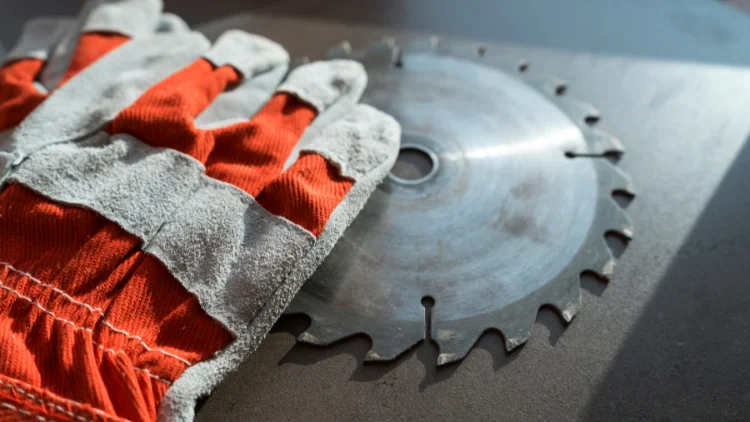
- Work gloves: Protect your hands from sharp edges.
- Clamp (optional): Helps hold the saw steady while you work.
Step-by-Step Guide to Changing a Circular Saw Blade
Once you’re prepped and ready, follow these steps:
Step 1: Disconnect the Power
- Corded saw: Unplug it completely.
- Cordless saw: Remove the battery.
This is the most important safety step—never skip it.
Step 2: Lock the Blade
Most modern circular saws have a spindle lock to stop the blade from spinning.
- Locate the spindle lock button near the blade guard.
- Press and hold it.
- Rotate the blade slowly until it locks in place.
If your saw doesn’t have a spindle lock, use a clamp or wood block to keep the blade from moving.
Step 3: Loosen the Arbor Nut
- Use your wrench to loosen the arbor nut. Turn it clockwise or counterclockwise, depending on your saw’s design.
- Remove the arbor nut and outer washer. Set them aside in a safe place.
Note: Some saws use reverse-thread nuts (“left-tight, right-loose”). Check your saw’s manual if unsure.
Step 4: Remove the Old Blade
- Carefully lift the blade guard.
- With gloves on, lift the old blade out.
- Wipe away any dust or debris from the spindle and surrounding area.
Step 5: Install the New Blade
- Make sure the teeth are pointing in the direction of blade rotation (usually forward).
- Slide the new blade onto the spindle, fitting it against the inner washer.
- Reinstall the outer washer and arbor nut.
- Hold the spindle lock and tighten the nut securely—but don’t overtighten.
Step 6: Reconnect the Power and Test
- Plug in the saw or reinsert the battery.
- Run the saw briefly without cutting anything. Listen and watch for unusual vibration or noise.
If anything seems off, disconnect power and double-check the blade installation.
How to Maintain Your Circular Saw Blades
To keep your blades sharp and safe, follow these simple tips:
Clean the Blade Regularly
Blades collect sap, glue, and sawdust that can dull the teeth. Use a blade cleaner or mild solution with a soft brush after each use.
Store Spare Blades Properly
Keep blades flat in a dry place. Use the original packaging or a blade case to protect the teeth from damage and rust.
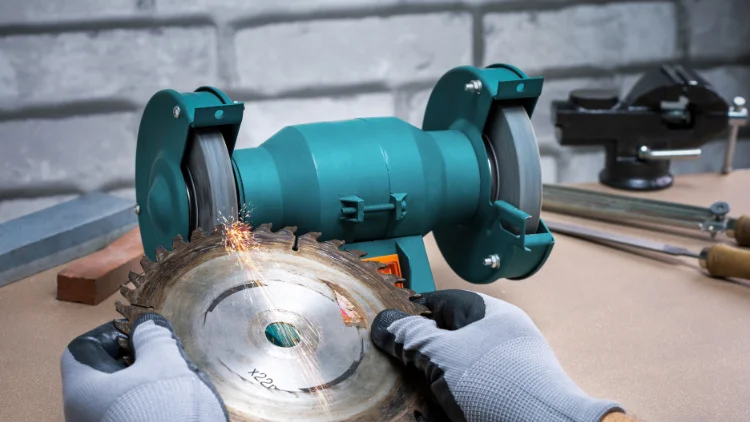
Know When to Sharpen or Replace
If you notice any of the following, your blade may need sharpening or replacement:
- You’re pushing harder than usual
- Burn marks on the cut surface
- Rough or uneven edges
- Missing or chipped teeth
For high-quality carbide blades, consider having them professionally sharpened to extend their life.
Frequently Asked Questions (FAQs)
How Do I Know if the Blade Is Installed Correctly?
A properly installed blade will have its teeth pointing in the same direction as the arrow on the circular saw’s blade guard. After installation, rotate the blade by hand to ensure it spins smoothly without resistance.
What Safety Precautions Should I Take When Changing a Blade?
Always disconnect the power before changing the blade—either unplug the tool or remove the battery. Wear protective gloves and safety goggles. Make sure the blade has completely stopped spinning before you begin.
Do I Need Different Blades for Different Materials?
Yes. Using the right blade for the material not only improves cutting performance but also extends the blade’s lifespan.
Recommended Blade Types by Material:
- Wood: High-Speed Steel (HSS) or carbide-tipped blades work well for softwood and hardwood.
- Metal: Use carbide-tipped or diamond-coated blades for cutting steel, aluminum, and other metals.
- Tile/Glass: Diamond blades are ideal for precise cuts on hard, brittle materials.
- Plastic: Fine-tooth blades reduce melting and sticking during cuts.
Which Direction Should the Blade Teeth Face When Installed?
The teeth should point in the direction the blade spins—forward, toward the material being cut. The cutting edge of the tooth should face forward, while the back edge faces away. Most blades have an arrow indicating the correct rotation direction. Align this with your saw’s spindle rotation to ensure proper performance.
What Happens if I Install the Blade Backward?
Installing a circular saw blade in reverse can lead to several problems:
- Poor Cutting Performance: The teeth won’t bite into the material, slowing or stopping the cut.
- Blade Damage: The teeth can chip or wear out faster due to incorrect force.
- Motor Strain: The saw’s motor may overwork, risking burnout.
- Safety Risks: The blade may bind or kick back, which can be dangerous.
How Should I Dispose of Old Blades?
Don’t throw them in the trash unprotected. Wrap the blade in thick cardboard and secure it with tape to prevent injury. Many hardware stores and recycling centers accept used metal blades for proper disposal.
Conclusion
By following these safety tips and practical steps, you’ll be able to replace your circular saw blade confidently and correctly. This essential skill not only keeps you safe but also improves the accuracy and efficiency of your work.
If you are looking for high-quality circular saws and saw blades, please visit our power tools page to learn more about our products. We are committed to providing you with quality tools and services to help you easily complete various cutting tasks.