Did you know? Every year, tool-related injuries send nearly half a million people to emergency rooms. This figure reminds us of the importance of safely using hand and power tools, whether you’re working on the job or fixing things at home. I hope this article helps you work more safely and reduce the occurrence of accidents.
Understanding the Potential Dangers of Hand and Power Tools
Hand and power tools are essential for many tasks, allowing us to work quickly and efficiently. However, when something goes wrong, the consequences can be severe. Depending on the tool used, you may face a range of injuries, from minor cuts to serious trauma.
Here’s a breakdown of potential hazards:
- Immediate Injuries: Scrapes, muscle strains, bruises, burns, cuts, puncture wounds, eye injuries, fractures, or even amputations.
- Long-term Health Issues: Hearing loss, neck and back injuries, repetitive stress injuries to hands, wrists, and arms, and respiratory issues.
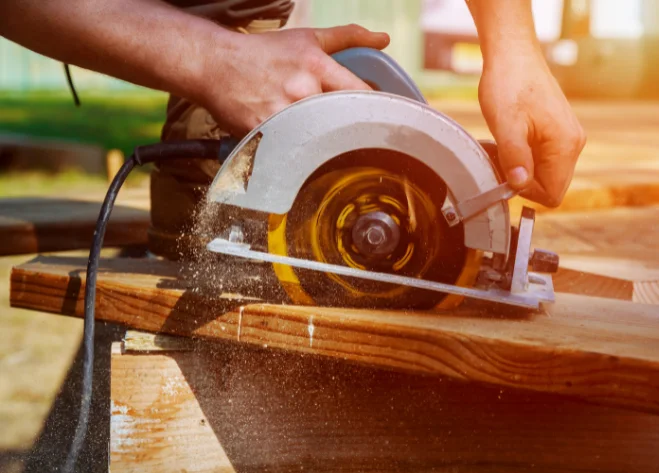
Power tools often present multiple dangers. For example, with a circular saw, you might be cut by the blade, struck by flying wood chips, or experience electrical shock. Inhaling sawdust could lead to respiratory problems, and the noise from the saw can cause hearing loss.
Even simple hand tools can pose risks. A slipping screwdriver might stab your hand, a misaligned hammer could crush your fingers, and a dull box cutter might cause severe cuts.

Preparing for Safety
Safety starts before you pick up any tool. You need to focus entirely on the task at hand. If you’re distracted or not feeling well, take a break and clear your mind. Never use hand or power tools while drinking alcohol, as it impairs your senses and judgment. As the saying goes, “To use tools safely, you must first keep your mind clear!”
Tool Inspection and Maintenance
Well-maintained tools are safe tools. Always check your tools before use to ensure they show no signs of damage. A worn-out or damaged tool is like a ticking time bomb waiting to cause an accident.
Here are the areas to inspect:
- Hand Tools: Check for cracks or bends in parts; loose or missing components; rust or corrosion; loose, cracked, or chipped handles; and mushroomed chisel heads.
- Power Tools: Inspect the casing for cracks; check for loose or damaged switches; examine wires and hoses for damage or wear; and ensure the automatic safety guard on saws is functioning.
Dull blades require more force to operate, increasing the risk of loss of control. Once you notice a worn blade, replace it immediately. If a tool is damaged, stop using it and label it as “broken” or “do not use” to prevent others from using it.
Use Tools for Their Intended Purpose
Tools are designed for specific tasks. Using them for other purposes is asking for trouble. Don’t use a screwdriver as a chisel, a wrench as a hammer, or a knife as a screwdriver. Doing so could damage the tool, the material you’re working on, or even injure yourself.
Always operate and maintain your tools according to the manufacturer’s instructions. Keep the user manual for reference. When not in use, store tools properly in cabinets, toolboxes, or their designated tool bags.
The Importance of Personal Protective Equipment (PPE)
Personal Protective Equipment (PPE) refers to any gear you wear to protect yourself from bodily harm. Proper PPE can significantly reduce the risk of injury.
Here are the essential types of PPE when using tools:
- Eye Protection:
- Safety Glasses: Suitable for low-risk tasks with minimal flying debris.
- Goggles: Provide better protection for more hazardous tasks.
- Full Face Shield: Essential for tools like grinders and masonry saws, which generate large amounts of flying debris.
- Respiratory Protection:
- Disposable Dust Masks: Filter out common dust particles.
- Air-Purifying Respirators: Use in environments with heavy dust or toxic substances. Always use the correct filter for the task.
- Hearing Protection: Ear muffs, ear plugs, or ear caps to prevent hearing loss caused by loud tools.
- Hand Protection: Work gloves prevent cuts, scrapes, and blisters. Special gloves with extra padding reduce vibrations from power tools. However, avoid wearing gloves when operating most power tools, as gloves may get caught in moving parts.
Loose clothing, long hair, jewelry, and watches can be caught by power tools. Before using power tools, wear fitted clothing, tie back long hair, and remove jewelry. You can find more information about PPE requirements on the Occupational Safety and Health Administration (OSHA) website.
Electrical Safety
People often forget the dangers of electricity, but according to statistics, at least one worker dies every week from electrocution.
Here’s how to ensure safety when using power tools:
- Wet Environments: Never use power tools in wet environments, including areas with standing water or rain. Keep power cords and extension cords away from puddles. Even double-insulated tools should follow this rule.
- Grounding: Grounding ensures electrical current flows safely through the tool. Never use an adapter to plug a three-prong tool into a two-prong socket to bypass the grounding function. Never remove the ground prong from the plug.
- Cord Safety: Avoid pulling or stretching the power cord, as this could expose live wires. When disconnecting the tool, grab the plug to pull it out, not the cord. Keep the cord behind you and avoid cutting in the direction of the cord.
- Ground Fault Circuit Interrupter (GFCI): Plug power tools into outlets with GFCIs. A GFCI cuts off power if it detects electrical flow issues, reducing the risk of electric shock.
Preventing Tool Kickback
Kickback occurs when a saw blade or drill bit gets stuck in the material, causing the tool to jerk violently backward. This uncontrolled movement can lead to serious injury.
To prevent kickback, follow these precautions:
- Secure the material with clamps or ask someone to help hold it.
- Allow the tool to reach full speed before cutting or drilling.
- Use both hands to maintain control of the tool.
- Gradually change direction to avoid getting the blade or bit stuck.
- Use blades and bits appropriate for the material you’re working on.
- Replace dull blades and bits immediately after unplugging the tool.
Considerations for Hazardous Work Areas and Environmental Factors
Different work sites come with different hazards. Before you begin, identify and eliminate any potential dangers.
- Lighting: Poor lighting can make it difficult to position and operate tools accurately. Turn on existing lights, open curtains, or use portable lighting to ensure adequate visibility.
- Flammable Materials: Sparks from power tools could ignite flammable materials. Remove flammable items from the work area or cover them with fire-resistant shields or blankets. Use non-metal, spark-free tools when necessary.
- Protecting Others: Use warning tape or barriers to surround the work area and keep others at a safe distance.
- Cleanliness: Keep the work area clean and organized. Don’t leave tools or debris scattered on the floor to prevent tripping hazards. Never leave tools on ladders or scaffolding, as they could fall and injure someone.
Conclusion
Safety should always be the top priority when using tools. Damaged tools, improper operation, and unsafe work environments increase the risk of injury. However, by following the safety guidelines above, you can greatly reduce these risks.
Remember to inspect your tools before each use, wear appropriate PPE, handle electrical equipment with care, and take measures to prevent tool kickback. By staying alert and prioritizing safety, you can help ensure that you and your coworkers make it home safely at the end of each day.
Read more: What Is the Best Power Tool Brand