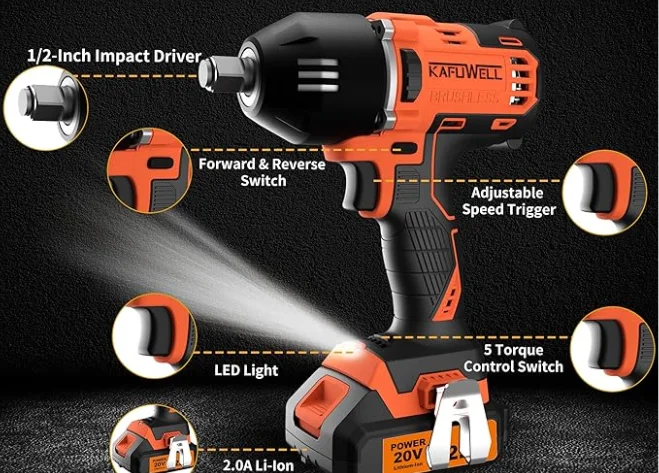
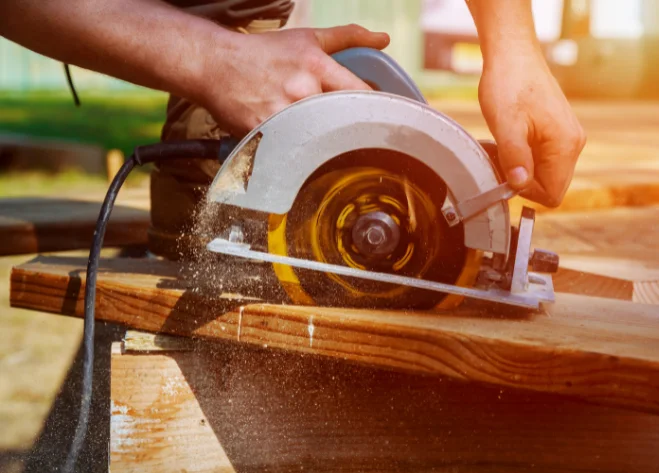
When deciding between a cordless and corded angle grinder, focus on the job at hand. For long, heavy grinding or deep stone cuts, corded models provide steady power and unlimited runtime.
For mobile tasks like working at height or moving between rooms, cordless models are more convenient—especially with two batteries and a fast charger. Many professionals keep both to cover all scenarios.
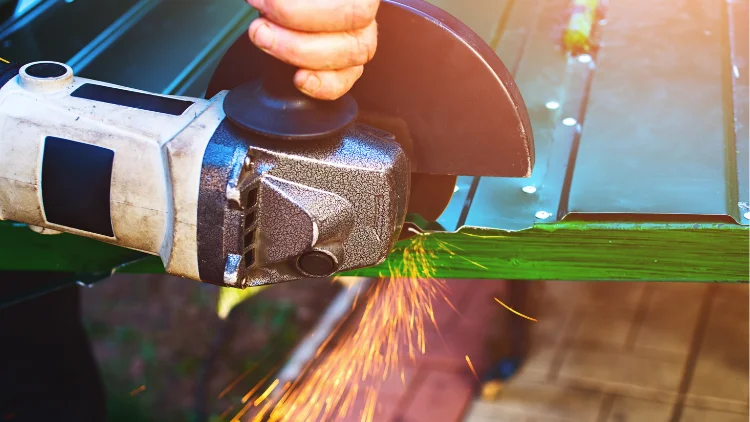
Cordless vs. Corded Angle Grinder: Side-by-Side Comparison (Power, Runtime, Safety, Cost)
| Dimension | Corded Angle Grinder | Cordless Angle Grinder |
| Power Output | Stable under heavy loads and long cuts | Strong for short and medium tasks; heavy-duty performance depends on battery rotation |
| Runtime | Unlimited when plugged into mains | Limited by battery capacity; two batteries with fast charging minimize downtime |
| Mobility | Restricted by outlets and extension cords | Highly mobile, ideal for rooftops, ladders, and remote work areas |
| Setup & Site Power | Requires heavy-duty cords; long or thin cables reduce output | No cords, ready to use anywhere, no outlet needed |
| Overall Cost | Tool plus compliant extension cords | Tool plus batteries and charger; batteries wear out and need replacement |
| Safety Factors | Trip or tangle risks from cords; suitable for bench setups | Fewer cables and hazards; requires battery care and storage management |
| Best Scenarios | Continuous grinding, deep stone cuts, fixed workstation use | Quick cuts, finishing, overhead work, room-to-room tasks |
How to Choose Between Cordless and Corded
The right grinder depends on workload, duty cycle, and workspace.
Workload
For heavy grinding, long sessions, or deep cutting in stone and metal, a corded grinder is the better choice because it maintains torque and speed without power drop-off. For lighter tasks, patch repairs, or short intermittent cuts, a cordless grinder saves time and offers quick deployment.
Duty Cycle
If your daily schedule involves hours of continuous grinding, corded tools are more practical as they avoid frequent battery changes. If your work pattern consists of short bursts under one minute each time, cordless tools are more efficient and convenient.
Workspace
In a stable workshop or fixed station with steady access to power, a corded grinder is reliable and efficient. On rooftops, scaffolds, or projects that require moving between multiple rooms, a cordless grinder minimizes trip hazards and makes setup faster.
Features
Tasks such as polishing or fine finishing benefit from models with variable speed. For safety-focused workflows, cordless grinders with electronic brakes allow the wheel to stop quickly, improving both efficiency and safety.
Cost and Long-Term Planning
Corded grinders require a one-time investment and low long-term costs. Cordless grinders need budget planning for future battery replacements, but they save significant time and setup effort on mobile tasks.
Cordless Runtime Explained: Watt-Hours, Duty Cycle & Charging Strategy
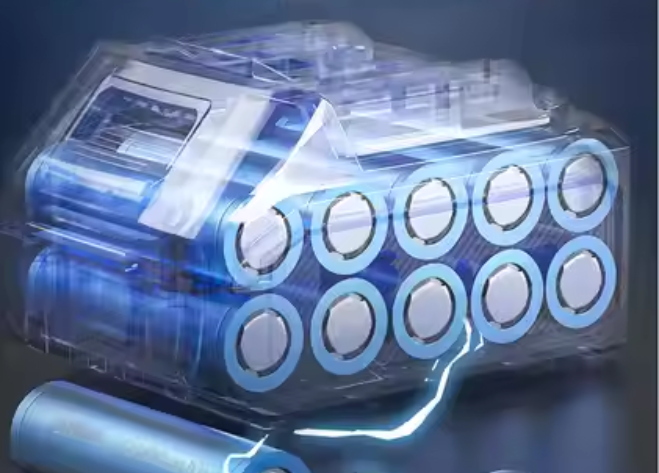
To understand runtime, remember the basic formula: Wh = V × Ah.
Approximate runtime (in hours) can be calculated as battery watt-hours divided by average load power, adjusted for efficiency and real-world work rhythm.
For example, a 100 Wh battery under a 200–250 W load typically delivers about 24–30 minutes of motor runtime. Because real tasks include movement, setup, and pauses, the actual working window often extends longer. Two batteries in rotation (one in use, one charging) support most field jobs, while three batteries (use, cool, charge) provide the smoothest workflow, particularly in hot conditions or with heavier workloads.
Real-World Scenarios: Cordless vs Corded
During extended heavy grinding or deep stone cutting, a corded grinder holds speed and torque more consistently throughout the day, provided that proper extension cords are used to prevent voltage drop.
For intermittent cutting, repairs, or moving across different rooms, a cordless grinder saves setup time and increases productivity. With two batteries and a fast charger, you can keep working efficiently all day.
In tight spaces and overhead work, cordless models eliminate cord snags and improve balance, reducing safety risks. Using a tool lanyard further enhances safety at height.
For indoor renovations and surface-sensitive operations, corded tools are preferred for continuous, straight cuts, while cordless tools are ideal for scattered fine finishing. When working with stainless steel or polishing tasks, constant-speed or variable-speed control prevents heat marks and surface damage.
Professionals who must balance workshop and field needs often keep a corded grinder for heavy-duty stationary work and a cordless unit in their toolkit for mobile jobs. Standardizing wheel sizes, guards, and consumables ensures smoother transitions between both setups.
Grinder Buying Checklist
- Wheel size and guard: Confirm 115/125 mm with secure, lockable guards.
- Wheel speed: Rated RPM must be equal to or higher than the grinder’s no-load RPM.
- Power control: Look for soft start, electronic brake, and overload/heat protection in cordless models.
- Speed control: Variable or constant speed helps avoid discoloration and supports polishing.
- Ergonomics: Check handle size, grip positions, switch type, and overall balance.
- Corded setup: Use compliant cable gauge, fully unroll cord reels, and avoid daisy chains.
- Cordless battery plan: Keep at least two labeled batteries in rotation; budget for future replacements.
- Consumables: Thin cutting discs (straight cuts only), grinding wheels, flap discs, wire brushes, and diamond blades.
- Workpiece support: Always support both sides of the cut to prevent binding.
- PPE and environment: Face shield + safety glasses, hearing protection, gloves, long sleeves, and protective footwear. Control sparks and dust, and have fire prevention measures nearby.
FAQ
Can cordless completely replace corded?
Cordless grinders can handle most light to medium workloads when supported with two batteries and a fast charger. For heavy, continuous grinding or deep stone cutting, corded remains more stable because it provides constant torque without heat fade or battery limits.
How long does a 5Ah battery last?
Use Wh = V × Ah to estimate, adjust for 70–85% efficiency, then divide by load power. Actual task time is usually longer due to stop-and-go operation. Two batteries are sufficient for most users; three provide added stability in hot or heavy-duty cycles.
Do I need variable speed?
Not required for basic cutting and grinding. However, for stainless finishing, polishing, or speed-sensitive accessories, variable or constant-speed models significantly reduce heat marks and ripples.
How to use thin cutting discs safely?
Use them only for straight cuts—never side pressure. Always confirm rated RPM ≥ grinder RPM. Guards must stay in place and be adjusted to deflect sparks. Replace any disc that is damaged, expired, or has cracks. Always attach the side handle.
How should cords be managed on site?
Use a single heavy-duty extension cord, fully unrolled, secured with cable bridges or tape, and kept away from water or mud. For 120 V setups: use 14 AWG up to 15 m, 12 AWG for 15–30 m. Always use GFCI/RCD protection.
Why does the disc bind or drift?
Binding usually comes from poor support or closing kerfs—rearrange supports so the cut stays open. Reduce pressure and maintain a steady line. If overheating occurs, cut in shorter passes with cooling pauses.
Which PPE is non-negotiable?
A face shield with safety glasses, hearing protection, close-fitting gloves, long sleeves, and safety shoes. For stone, concrete, or metal dust, use a P2/P3 respirator with dust shrouds and vacuums.
How to manage heat during long grinding?
Work in short strokes, clear debris often, and avoid staying in one spot. Swap batteries early, let them cool before recharging, and follow a use–cool–charge cycle for best performance.
Conclusion
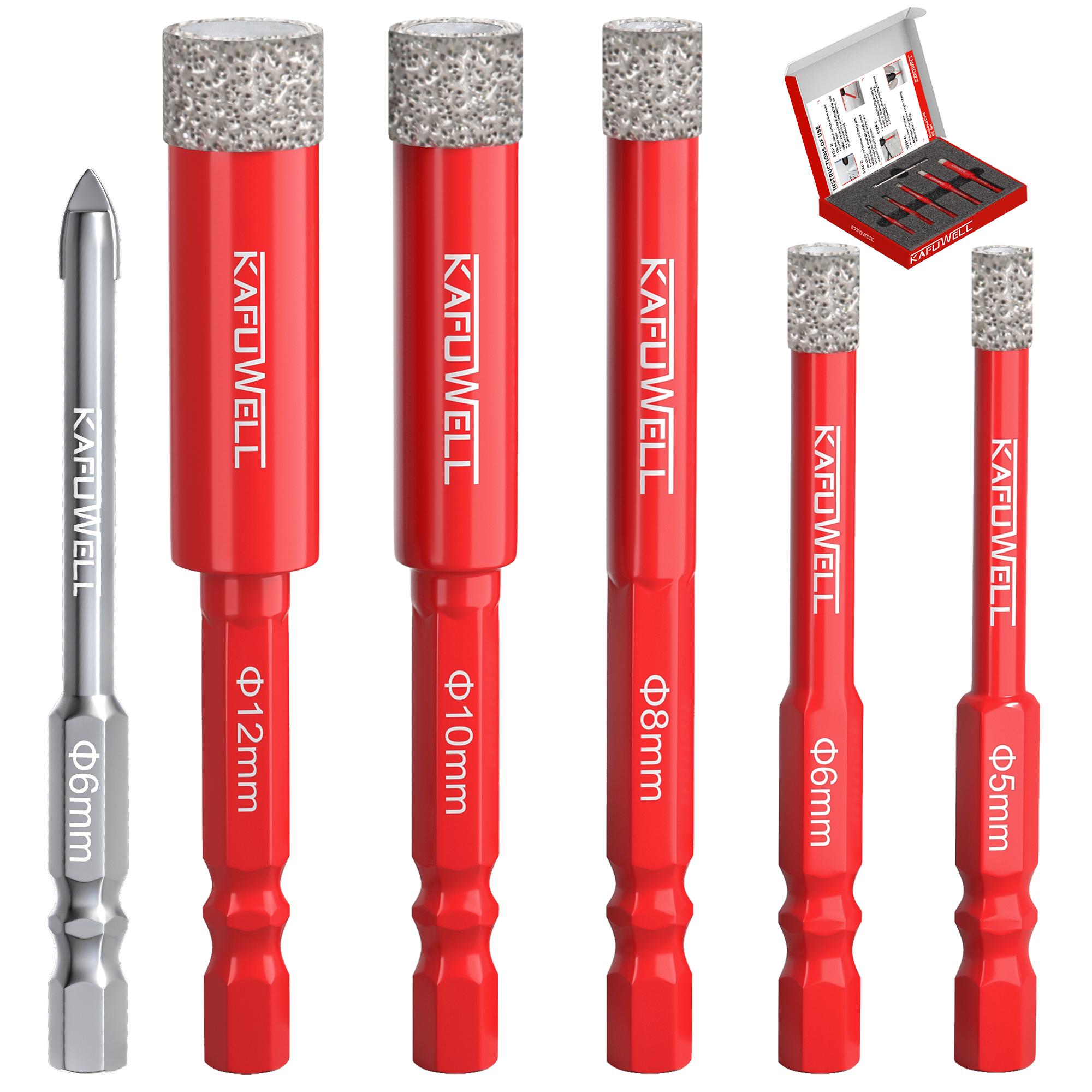
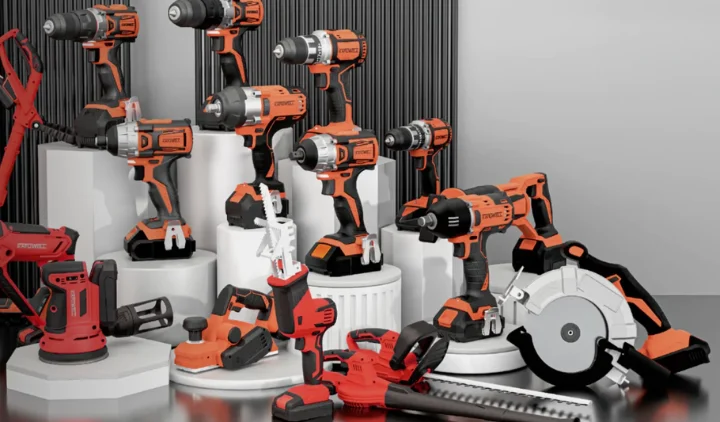
If you’re looking to purchase an angle grinder or other power tools, Kafuwell provides both corded and cordless models along with a full range of matching consumables.
For distributors and bulk buyers, Kafuwell holds ISO, CE, BSCI, and RoHS certifications, guarantees stable lead times, and supports customized solutions. Get in touch to collaborate.