When it comes to DIY projects, home repairs, or professional construction, choosing the right power tools can boost efficiency and ensure high-quality results. Among the many power tools available, the cordless screwdriver and drill are two of the most common and versatile tools.
Although they may look similar, they have distinct features and are suited for different tasks. Understanding their characteristics will help you make the best choice, enhancing your work efficiency.
What is a Cordless Screwdriver?
A cordless screwdriver is a tool specifically designed for tightening and loosening screws, commonly used for home DIY projects and light repairs. It operates on electric power, eliminating the need for manual rotation, allowing you to complete screw tasks quickly and efficiently.
Features:
- Compact Size: Cordless screwdrivers are typically designed to be small and lightweight, making them ideal for use in tight spaces. Compared to bulkier drills, they are more portable and convenient, especially for home users or small repair tasks.
- Ease of Use: Cordless screwdrivers are intuitive and easy to operate, even for users with little experience. Simply press a button to start driving screws, making them perfect for beginners.
- Adjustable Torque Settings: Most cordless screwdrivers come with adjustable torque settings, allowing users to fine-tune the tool based on the material and task at hand for optimal results.
Ideal Scenarios:
- Furniture Assembly: Cordless screwdrivers are commonly used in furniture assembly, especially for handling small to medium-sized screws.
- Electronics Repair: When repairing electronics like TVs, computers, or other small devices, a cordless screwdriver is handy for quick disassembly and reassembly of screws.
- Simple Home Repairs: Perfect for small tasks like installing light fixtures, hanging pictures, and more.
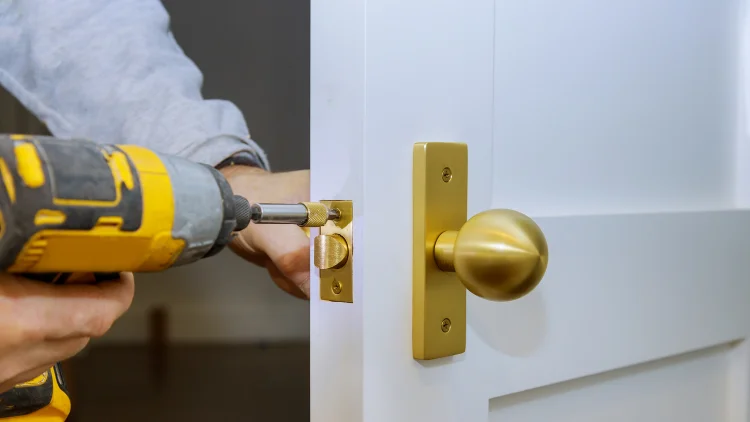
What is a Drill?
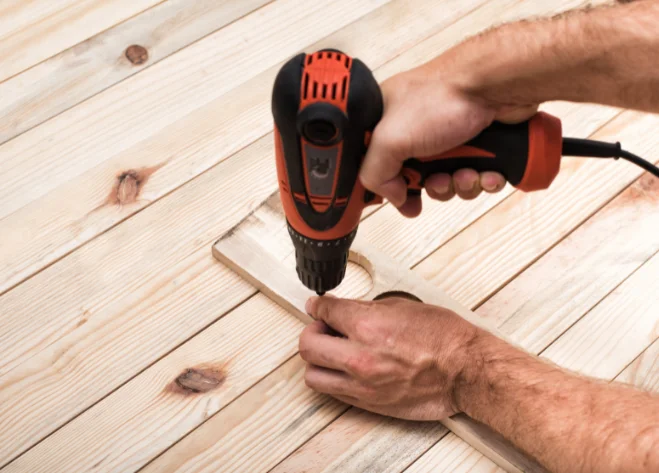
A drill is a multifunctional tool, not only used for drilling holes but also for tightening and loosening screws. Compared to a cordless screwdriver, a drill offers more power and a wider range of functions, making it suitable for a variety of tasks.
Features:
- Higher Power and Torque: Drills generally have more power than cordless screwdrivers, enabling them to handle more complex and heavy-duty tasks. Whether drilling holes or driving larger screws, drills provide sufficient power for the job.
- Variable Speed: Drills usually come with adjustable speed settings, allowing users to control the rotation speed for precision. High speeds are ideal for drilling, while lower speeds work well for driving screws.
- Reversible Function: Drills typically feature a forward and reverse switch, allowing for quick changes between drilling and unscrewing, adding flexibility to the tool’s functionality.
- Multifunctionality: In addition to drilling, drills can accommodate various attachments for other tasks, such as sanding, polishing, and more, significantly expanding their application range.
Ideal Scenarios:
- Wall Drilling: Drills are essential for drilling holes in walls, installing wall-mounted TVs, hanging heavy pictures, and more. They can easily penetrate various building materials like wood, drywall, and lightweight concrete.
- Construction Work: For most construction tasks, drills offer strong power, making them ideal for a range of drilling and screw-driving needs.
- Complex Woodworking and Metalworking: Drills are also excellent for woodworking and metalworking, especially tasks that require high torque and high speed.
Main Differences Between Cordless Screwdrivers and Drills
Power and Torque
Cordless screwdrivers are typically designed for light tasks, such as driving small screws, and therefore have lower power and torque. On the other hand, drills offer higher power and torque, making them suitable for more complex and heavy-duty tasks, such as drilling and driving large screws. When choosing a tool, consider the strength and complexity of the task at hand.
Functionality
Cordless screwdrivers are focused on driving screws, making them easy to use and perfect for everyday home repairs and DIY projects. Drills, however, are multifunctional and can be used for drilling, driving screws, and a variety of other tasks. Drills typically have more features and attachments, making them suitable for more diverse jobs.
Suitable Materials
Cordless screwdrivers are best for soft materials like wood and plastic, as their lower torque is ideal for tasks that don’t require much force. Drills, however, can handle tougher materials, such as metal, concrete, or brick, as they are built for tasks that require higher power.
Size and Weight
Cordless screwdrivers are usually lighter and more compact, making them easy to handle, especially in confined spaces. In contrast, drills are heavier and bulkier but are ideal for professional or more complex tasks due to their powerful features and capabilities.
Cordless Screwdriver vs Drill: Feature Comparison Table
| Feature | Cordless Screwdriver | Drill |
| Primary Use | Tightening and loosening screws | Drilling holes and driving screws |
| Power & Torque | Low power, low torque, suitable for light tasks | High power, high torque, suitable for heavy-duty tasks |
| Functionality | Single function, focused on screw tasks | Multi-functional, both drilling and driving screws |
| Suitable Materials | Primarily soft materials (wood, plastic, etc.) | Suitable for hard materials (metal, concrete, wood, etc.) |
| Size & Weight | Compact and lightweight, ideal for tight spaces | Larger and heavier, suitable for open spaces and heavy-duty tasks |
| Price | Lower cost, ideal for budget-conscious users | Higher cost, ideal for users needing more functionality |
| Ideal Scenarios | Furniture assembly, electronic repairs, simple home repairs | Wall drilling, construction work, complex woodwork and metalworking |
How to Choose the Right Tool for Your Needs
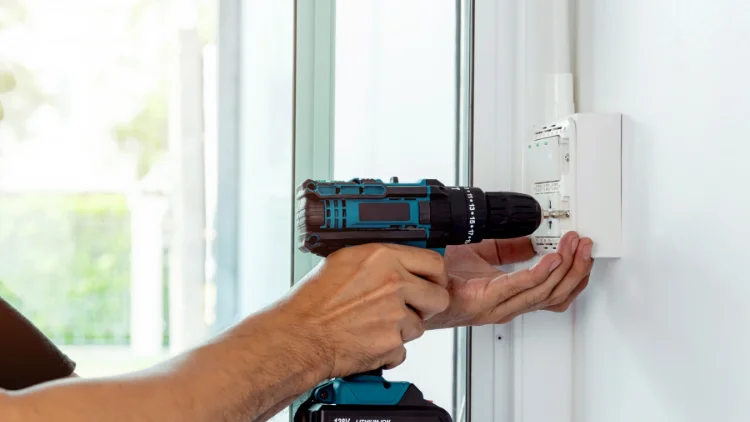
Consider the Task Type
- Light Tasks: If your task involves just driving screws or performing basic home repairs, a cordless screwdriver is the ideal choice. It is perfect for furniture assembly, electronic repairs, and other simple tasks.
- Heavy Tasks: If the job requires drilling holes or working with tougher materials like concrete or metal, a drill is the better option. Drills are also suitable for more intensive screw-driving and construction tasks.
Budget Considerations
- Cordless Screwdrivers: Generally more affordable, making them suitable for users on a budget who only need a tool for light tasks.
- Drills: Due to their enhanced power and functionality, drills tend to be more expensive. They are ideal for users who need a tool with greater versatility and performance.
Space Limitations
- Tight Spaces: If you are working in confined spaces (like furniture assembly or narrow corners), a cordless screwdriver, with its compact design, will be more convenient.
- Larger Spaces: For open spaces or more complicated tasks, the power and torque of a drill will be more suitable.
Conclusion
When selecting a power tool, understanding the features and suitable scenarios for each tool is crucial to improving work efficiency. Cordless screwdrivers are great for light, simple tasks, while drills are better suited for a wider range of tasks, including drilling and working with tougher materials.
By considering the task type, budget, and work environment, you can make an informed decision that helps you complete your projects efficiently and effectively.