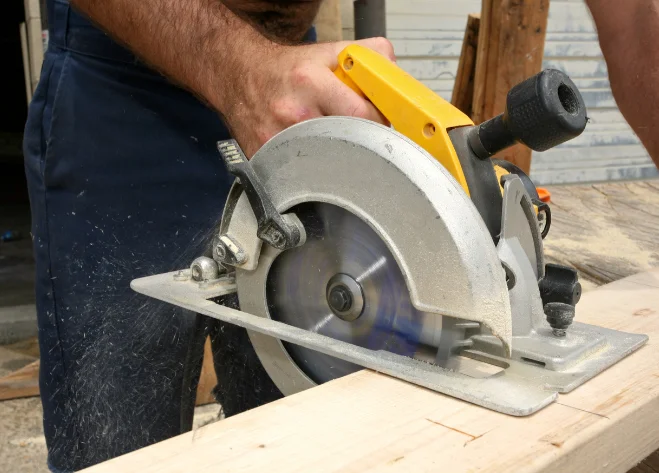
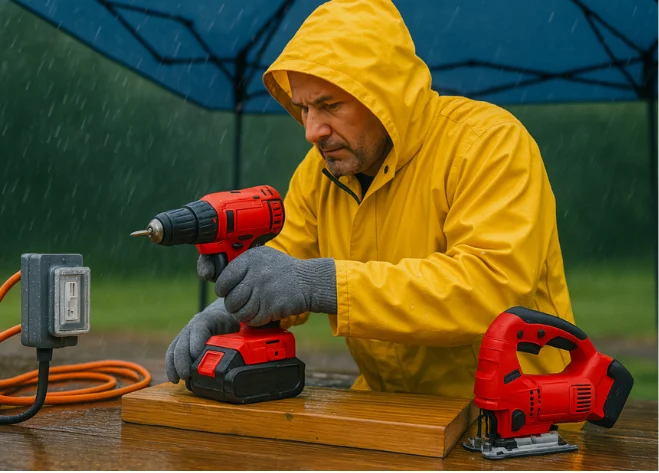
Hand and power tools make construction work faster and easier, but they also bring real safety risks. Even a small mistake can result in serious injury or worse. To stay safe on the job site, it is important to know how to use, check, and maintain your tools properly, and to follow the safety standards set by experts.
This guide will share practical ways to use hand and power tools safely, explain why regular inspections are important, and provide safety tips to help protect you at work.
OSHA Regulations and the Importance of Tool Safety
OSHA (Occupational Safety and Health Administration) plays a key role in keeping construction sites safe. With clear guidelines on how employers and workers should handle tools, OSHA’s goal is simple: cut down on accidents and reduce risk. Construction sites are busy, loud, and full of moving parts — so following OSHA’s tool standards isn’t just about checking boxes, it’s a way to look out for your crew.
Employers are responsible for making sure that every tool in use on site is safe. If someone finds a damaged or defective hand tool, it must be taken out of service immediately. Even a small crack or loose part can turn a hammer, screwdriver, or wrench into a hazard.
Hand tools refer to any tool operated by hand, like hammers, screwdrivers, or wrenches. Power tools use electricity, batteries, or fuel to run, like drills or nail guns. Both types need regular checks.
Employer duties include:
- Checking tools before use
- Fixing or removing unsafe tools right away
- Training workers on proper tool use and maintenance
- Making sure tools are only used for what they’re made to do
Putting in the extra time to double-check a tool may seem like a hassle, but it’s a lot faster than recovering from an injury.
Safety Best Practices for Hand Tools
What Are Hand Tools?
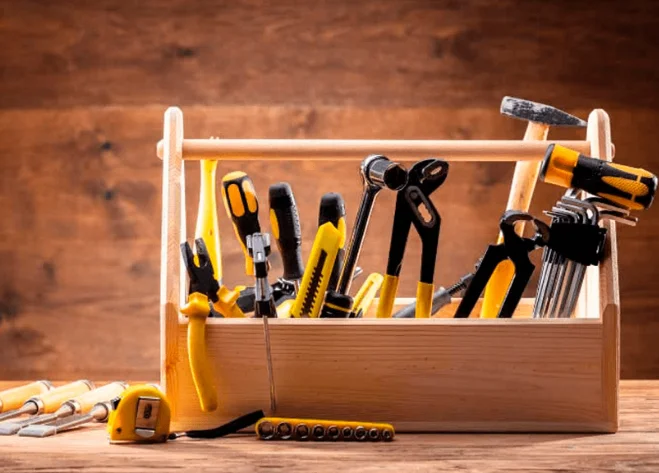
Hand tools are everyday items you operate with your own strength. Think basic tools like hammers, screwdrivers, pliers, and wrenches. These aren’t powered by batteries or fuel — just muscle.
Every tool is made for a specific job. Using it incorrectly is not only ineffective, but also puts you at risk of injury.
Common Hazards With Hand Tools
Misusing hand tools or failing to keep them maintained can cause minor injuries or even send someone to the emergency room. These are the most common hand tool hazards:
- Sprung wrench jaws: When the jaws can’t clamp tightly, the wrench slips, possibly injuring knuckles or causing you to lose your balance.
- Cracked wooden handles: A split or loose handle can break suddenly, sending the tool head flying.
- Improper use (like using a screwdriver as a chisel): A tool used for the wrong job risks shattering or sending metal shards into the air.
- Loose tool heads: If the tool head isn’t secured tightly, it can detach during use.
Inspection and Maintenance Tips
Checking tools before starting is the easiest way to prevent accidents.
Hand Tool Inspection Checklist
- Check all handles: No cracks, splits, or looseness. Make sure heads are firmly attached.
- Inspect tool heads: Metal should not be bent, chipped, or damaged.
- Test wrench jaws: They must clamp firmly and not show signs of warping.
- Look for missing or loose parts: Tighten any screws or bolts.
- Make sure tools are clean: Dirt and grease can hide issues.
It helps to create a habits checklist. If you spot a problem, set the tool aside and alert your supervisor.
Proper Usage of Hand Tools
Tool safety starts with using the right tool for the job. For example, using a screwdriver as a chisel can cause the tip to break and throw metal bits toward your face or others around you. Always use tools for their intended task.
Do’s and Don’ts for Hand Tool Safety
- Do inspect tools before each use.
- Do use the right tool for the job.
- Do wear gloves and protective eyewear if needed.
- Don’t force a tool if it’s the wrong size or type.
- Don’t use tools with damaged handles or heads.
- Don’t carry tools in your pockets where they could fall or poke you.
Keeping hand tools clean, dry, and stored safely helps them last longer and keeps everyone safer.
Handheld Power Tool Safety Guidelines
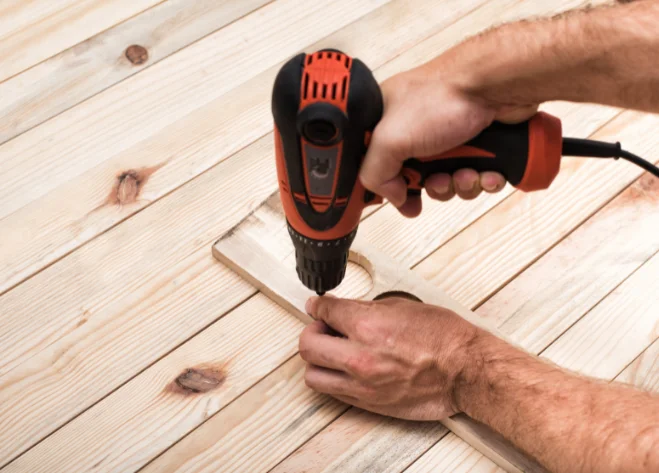
Power tools bring extra speed and force, but with power comes extra risk. Injuries from drills, saws, or nail guns can be much more severe than from hand tools. That’s why power tools bring their own safety rules.
Unique Risks Posed by Power Tools
Power tools can spark, overheat, or send fast-moving parts flying if used wrong. Cords and batteries can create tripping or electric shock hazards not found with hand tools. Always follow instructions from the manufacturer and OSHA guidelines.
Electrical Safety and Cord Handling
Never use a tool’s cord to lift or lower it. This might seem harmless, but it strains the wiring, leading to fraying or a short circuit — which can zap you or spark a fire.
It’s tempting to grab that cord, but don’t. Always grip the plug or the tool itself.
Securing Removable Parts
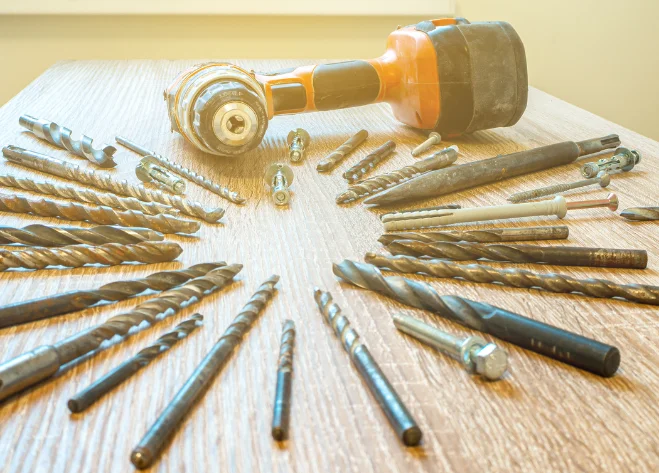
Before using any drill, saw, or air tool, double-check that any bits or attachments are tight.
Risks of not securing these include:
- Bits flying off at high speed
- Metal parts that become dangerous projectiles
- Loss of control over the tool
If you hear or feel rattling, stop immediately and recheck everything.
Safe Handling of Fuel-Powered Tools
If a tool runs on gas or any kind of fuel, always turn it off fully and let it cool before refueling. Hot engines and fuel don’t mix.
Tips for fuel tool safety:
- Refuel in a well-ventilated spot to avoid fumes
- Never refuel when the tool is still running or hot
- Store fuel away from ignition sources
Safe Use of Fastener-Loaded Tools
Staple guns, nailers, and similar tools should never be left loaded if you’re not using them. Don’t point them at anyone, even if you believe they’re empty. Many accidents happen when a tool fires unexpectedly.
Fastener Tool Safety Do’s & Don’ts
- Do unload the tool after use
- Do keep the tool pointed away from others at all times
- Do check safety mechanisms before starting
- Don’t bypass safety features
- Don’t hand a loaded tool to someone else
Safety Precautions for Using Jacks on Construction Sites
Jacks help lift heavy materials or support loads, but they need care and attention to detail.
Proper Jack Usage
- Only use jacks on a firm, level surface. An uneven base can slide or tip, causing injuries or crushing hazards.
- Never exceed the marked capacity of your jack. Overloading leads to failure and collapse.
Jack Maintenance
- Lubricate your jack as recommended by the manufacturer. A dry or sticky jack won’t operate smoothly, which is dangerous during lifts.
- Regularly inspect for leaks, worn parts, and proper function. Fixing minor issues early can stop major problems.
Summary of Key Jack Safety Points
- Always use on a stable, level base
- Don’t exceed rated capacity
- Keep moving parts lubricated
- Inspect before each use
Keeping jacks in good shape protects everyone on the job.
Creating a Safer Construction Site Through OSHA Compliance
Every construction site has unique risks. By following OSHA standards and building a culture focused on safety, work becomes both quicker and safer.
Specific Safety Measures for Construction Sites
OSHA offers a practical roadmap for employers and workers. This includes:
- Regular tool inspections
- Training on proper tool use
- Quick response when a problem is found
These steps limit the chance of injuries and equipment failure.
Fostering a Safety Culture
Encourage workers to watch out for each other. Making safety everyone’s job means people flag unsafe practices before they become accidents.
- Start meetings with quick safety reminders
- Assign responsibility for daily tool checks
- Reward good safety habits
The more you train, the sharper your crew’s instincts become. Knowing what to look for means problems get fixed fast.
Additional Safety Resources and Tools
Personal Protective Equipment (PPE)
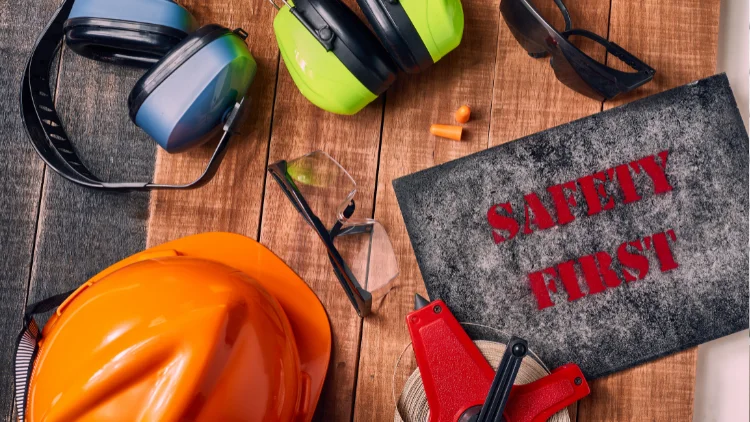
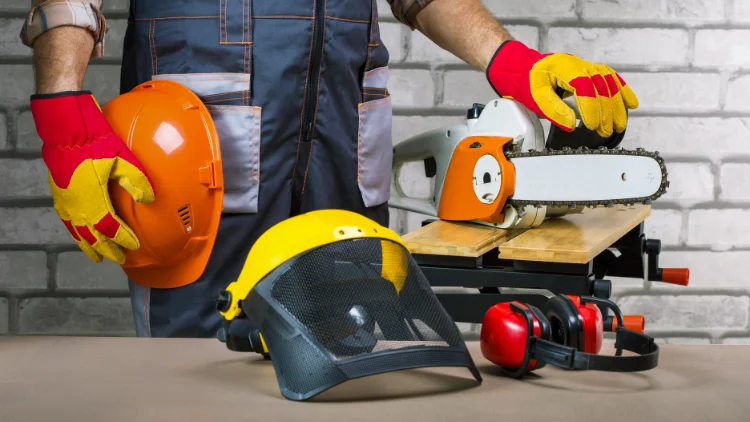
Wearing the right PPE makes hand and power tool use much safer. Gloves prevent cuts and blisters. Goggles protect your eyes from flying debris. Hearing protection can also be helpful in noisy areas.
Never skip PPE, even on ‘quick’ jobs.
Emergency Preparedness
Accidents still happen. Knowing what to do next can limit the harm.
Simple Emergency Tips
- Learn basic first aid and the location of kits
- Report injuries and unsafe conditions as soon as possible
- Call for help immediately if serious injury occurs
Quick thinking saves lives.
Conclusion
Hand and power tools are essential helpers on construction sites, but they also require careful use and proper maintenance.
If you’re looking for power tools that combine performance with safety, Kafuwell is committed to providing durable, professional-grade equipment that meets industry safety standards. A reliable tool not only improves efficiency—it’s also key to ensuring a safe job site every time.You can also download our product catalog to find the right tools you can trust for your project.