Yes—a circular saw can cut metal, but it’s best suited to thin, softer metals such as sheet aluminum or light-gauge steel. If you only need to do this occasionally, pairing the saw with the correct metal-cutting blade and solid technique can handle these lighter jobs just fine.
For thicker or harder metals, however, a circular saw’s capability quickly becomes limited. To keep things safe and efficient, switch to a more specialized tool.
What a Circular Saw Can Realistically Cut
Thin mild steel (about 1/8″ ≈ 3 mm)
Most standard 15 A circular saws fitted with a metal-cutting blade can handle this thickness cleanly. For reference, many electrical junction boxes are around 3 mm thick.
Mild steel ( around 1/4″≈ 6 mm)
This is near the performance limit for a circular saw. With a higher-power unit you can make the cut, but you’ll need to slow your feed and pause often to prevent overheating.
Aluminum and other non-ferrous metals
Aluminum is softer and generally easier to cut. I’ve seen 3/8″ (≈ 9.5 mm) aluminum plate cut successfully with a circular saw, producing curled chips.
Hardened steel and stainless steel
For these harder or surface-treated metals—especially when thickness exceeds 1/4″—pushing a circular saw is risky. A specialized metal-cutting tool is strongly recommended.
Choosing the Right Metal-Cutting Blade
If you plan to cut metal with a circular saw, the blade choice is critical. Wood blades are a hard no—their geometry and materials are designed for wood and can fail dangerously in metal.
Carbide-tipped blades
The most common and safest choice for circular-saw metal cutting. Carbide teeth wear slowly and last longer, making them effective for light-gauge steel, galvanized sheet, and similar materials. Ideal if you do metal work with any frequency.
Non-ferrous metal blades (Aluminum-specialty)
These blades use tooth geometries that resist chip welding in aluminum, yielding smoother edges. They also work well for copper, brass, and other non-ferrous stock—great for aluminum extrusions and decorative metals.
Tooth count (TPI / number of teeth)
Thin stock (sheet, thin aluminum): More teeth for a smoother finish.
Thicker or softer stock: Fewer teeth to improve chip evacuation and reduce heat buildup (the tradeoff is a slightly rougher edge).
Tooth geometry
FTG (Flat Top Grind): Common on aluminum-specialty blades; clears chips quickly and resists chip welding.
ATB (Alternate Top Bevel): Alternating bevel tips produce cleaner edges; good for thin sheet.
TCG / R-shaped (Triple Chip Grind, “R-shaped”): One tooth rough-cuts, the next cleans. Excellent durability on harder metals and aluminum, with reduced burring.
Practical picks
- DIY / home use: A 40–60T carbide metal-cutting blade covers most needs.
- Frequent aluminum / thin sheet: A 60–80T non-ferrous blade (R-shape/TCG) gives cleaner results.
- Steel thicker than 1/4″: Use a lower-tooth-count carbide blade, run slower, and make shallow, segmented passes.
Safety Essentials and Setup
PPE: Safety glasses, cut-resistant gloves, and hearing protection are musts. A faceshield and long sleeves help against hot chips.
Ventilation: Cutting metal throws sparks and fine particulates; ensure good airflow and fire safety.
Clear the area: Remove combustibles and loose clutter; leave space for sparks to eject safely.
Rigid workholding: Clamp the work securely to prevent chatter or movement.
Blade and saw check: Verify the blade is tight, undamaged, and rated for the saw’s RPM. Inspect for cracks or warping before use.
Step-by-Step Operating Guide
1. Layout and orientation
Action: Scribe/mark the line; orient chip/spark ejection away from people and combustibles.
Control points: Clear, continuous line; good task lighting.
Acceptance: Line error ≤ ±0.5 mm; bench free of oil and debris.
2. Clamping and support
Action: Use two or more clamps; support thin sheet with a non-combustible backer so the kerf is supported end-to-end.
Control points: Clamp jaws 50–80 mm from the kerf; stable, flat support.
Nonconformities: Vibration, kickback tendency, or work flipping.
3. Blade inspection and installation
Action: Unplug/remove battery, install blade; inspect for cracks/missing teeth/runout.
Control points: Blade Max RPM ≥ saw no-load RPM; spin by hand to check guard clearance.
Acceptance: No damage; guard returns smoothly.
4. Cutting depth setting
Action: Set depth so only 2–3 mm of tooth protrudes (≈ 1/4 tooth height).
Purpose: Reduce unnecessary engagement, heat, and burring.
Nonconformities: Excess exposure; blue heat marks.
5. No-load check
Action: Run 1–2 s in air; listen/feel for vibration or abnormal noise.
Nonconformities: Shrill squeal or visible wobble → recheck clamping, arbor flange, and blade install.
6. Entry and feed
Action: Let RPM stabilize; ease into the cut along the line. Feed steadily—no rocking or forcing.
Suggested pacing:
Steel: Keep feed where motor load doesn’t sag; on long straight cuts, pause 15–30 s every 300–600 mm to cool.
Aluminum: Reapply cutting wax every 200–300 mm.
Acceptance: Kerf straightness ≤ ±1.0 mm per meter; uniform tooth pattern; no persistent screech.
7. Heat control and segmenting
Action: Use shallow, segmented passes on long cuts; slow down through ribs or welds.
Nonconformities: Blueing or strong burnt odor → reduce feed and lengthen cooling pauses.
8. Break-through, stop, and deburr
Action: Slow down before breaking through to avoid tearing; wait for a full stop before lifting the saw; deburr with a file/deburring tool and clear hot chips.
Acceptance: Burr height ≤ 0.3 mm (typical tolerance); no edge tearing or gouges.
9. Fire watch
Action: Reinspect the area 20–30 minutes after cutting.
Nonconformities: Smoldering, scorch marks, lingering odor → address immediately and find the cause.
Common Mistakes and How to Avoid Them
Blue cut or burnt smell
Excess heat from aggressive feed, too much blade exposure, or long continuous cuts without cooldown. Look for blue kerf and powdery chips; then slow the feed and switch to shallow, segmented passes.
Aluminum chip welding and heavy burrs
Sticky aluminum can clog gullets or the wrong tooth form may be used. If you see aluminum packed in gullets or stringy edges, switch to a non-ferrous blade (60–80T) and apply cutting wax every 200–300 mm.
Wandering cut / bowed line
Often caused by vibration, poor support, thin plate body, or blade runout. Check for work chatter and base/shoe squareness to the line; hand-spin for guard interference. Fix with more clamps and continuous backing, or switch to a thicker-plate TCG blade plus a straightedge/track.
Blade binding or kickback sensation
Poor clamping, kerf closing from internal stresses, or too much positive rake can all cause this. Watch for a closing kerf or a dropping off-cut; back out 1–2 cm and resume with shallower passes. Add clamps/shims along the kerf, and consider a low-rake (−5° to 0°) TCG blade. Full support and symmetric clamping are key.
Screeching blade and chatter marks
Indicates low system rigidity or mismatched RPM/feed. Confirm shoe alignment, eliminate runout, reduce feed, shorten unsupported spans, and add a guide. On steel, a lower tooth count TCG often stabilizes chip flow and cut.
Chipped or missing teeth
From hitting hard spots (welds, grit), sudden feed spikes, or mismatched blade grade. Check whether the line crosses welds/grit and whether teeth show microcracks. If so, stop and change the blade, clean or reroute, slow through welds, choose thicker-plate low-rake TCG, and maintain steady feed without rocking.
Torn exit edge / gouged margin
Usually from poor support at breakthrough or an over-aggressive final push. Add backing at the exit, slow dramatically before breakthrough, and use shallow finishing passes.
Excessive sparks or powdery chips
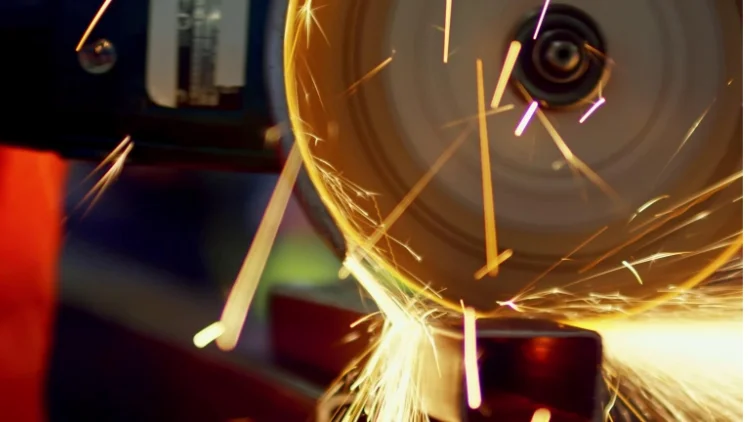
Sparks are normal cutting steel, but dense sparks with powdery chips signal high heat and bad engagement. Lower feed, segment the cut, reduce blade exposure, and ensure the ejection path points away from combustibles.
Better Tool Choices When a Circular Saw Isn’t Ideal
Angle grinder: Great for short cuts in sheet or tubing; thin cutoff wheels plus high RPM offer speed and flexibility.
Cold saw / metal band saw: Purpose-built for metal; slower, precise, with good chip control—ideal for thicker plate and frequent work.
Reciprocating saw (Sawzall): Effective in tight spaces or for curved/awkward cuts; swap blades to suit the material.
Abrasive jet / waterjet: Top-tier precision for special materials, but expensive and not DIY-friendly.
Summary
A circular saw can cut thin, softer metals when paired with the right blade and disciplined technique. Stay within realistic thickness limits, control heat, support the work impeccably, and prioritize safety.
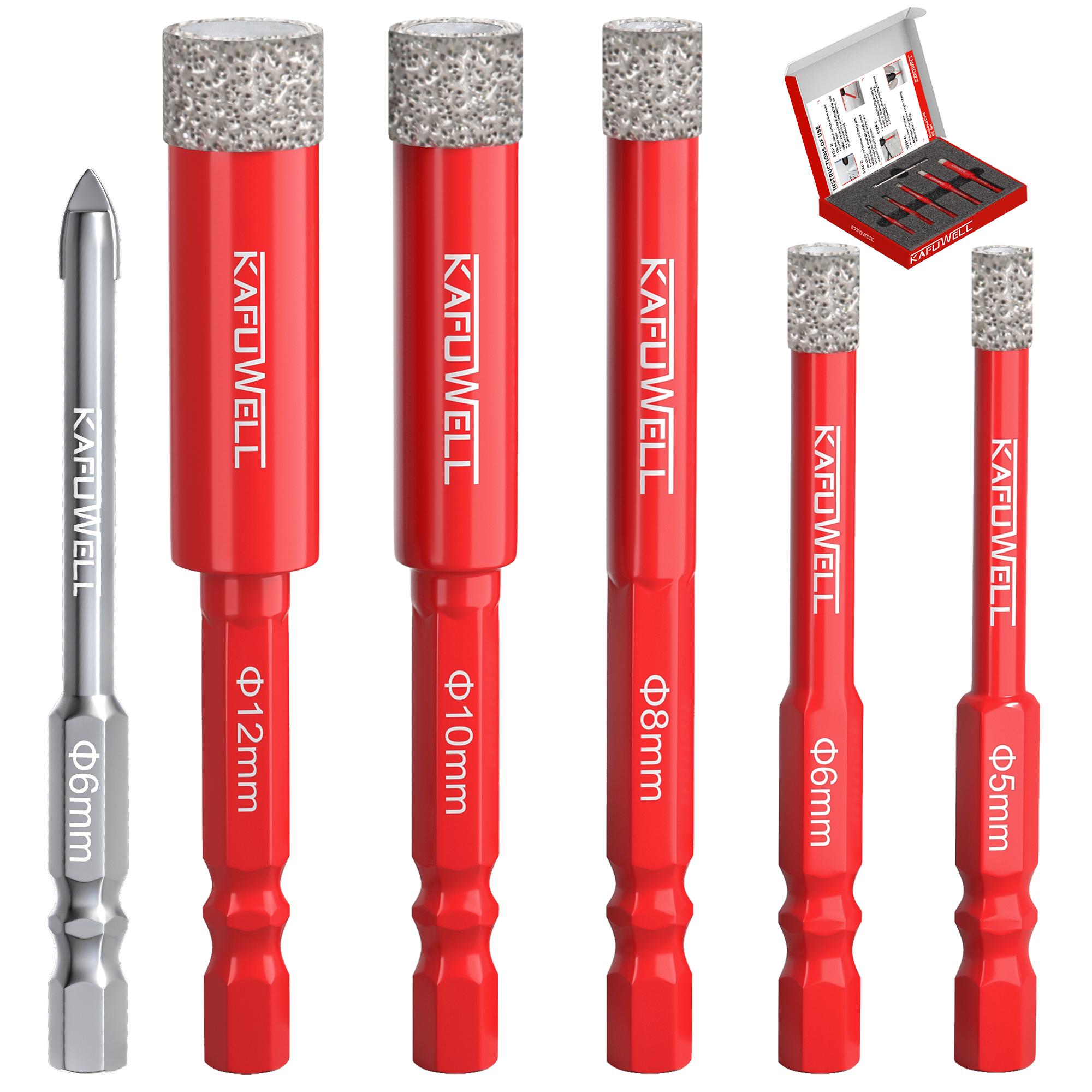
Explore more high-quality circular saws and metal-cutting tools at KafuWell, where you’ll find professional-grade power tools and accessories that make every cut safe, precise, and efficient.