When a bolt refuses to move, two tools come to mind — the breaker bar and the impact wrench.
Both are designed to loosen stubborn fasteners, but they work in completely different ways. Knowing how they differ helps you choose the right one for your job.
What Is a Breaker Bar
Definition And Design
A breaker bar is a long, solid handle designed to provide extra leverage. It doesn’t have a ratcheting mechanism or moving parts — just a strong metal bar with a socket end. The simplicity is what makes it so reliable.
How It Works In Simple Terms
By using leverage, a breaker bar multiplies your force. A longer bar generates more torque, which means you can loosen bolts that a regular ratchet can’t. There’s no power required — just your arm strength and steady control.
When And Why Professionals Still Use It
Professionals love breaker bars because they offer precision and silence. When working on delicate assemblies or in tight spaces where noise or vibration could cause damage, a breaker bar gives full control. It’s inexpensive, lasts a lifetime, and can handle extremely high torque when used correctly. The trade-off? It’s slow, and it demands physical effort — not ideal when you have dozens of bolts to remove.
What Is an Impact Wrench
Basic Working Principle
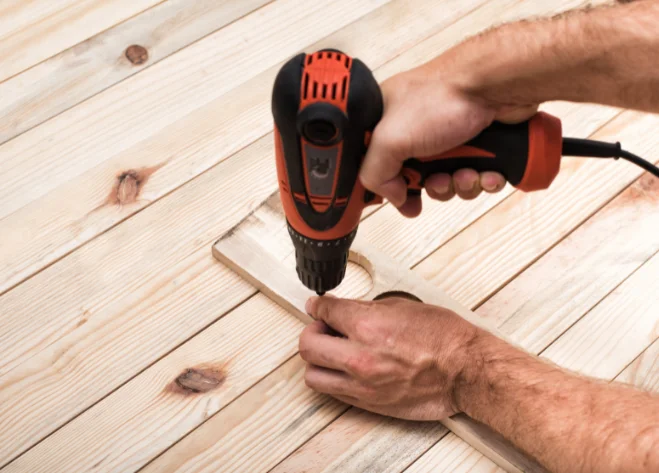
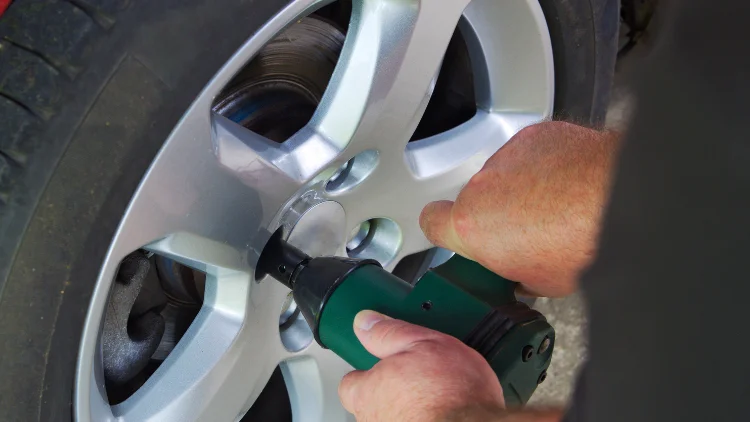
An impact wrench is a power-driven tool that combines rotational movement with repeated hammering impacts. Inside, a small hammer mechanism strikes rapidly, producing bursts of torque strong enough to loosen even rusted or over-tightened bolts.
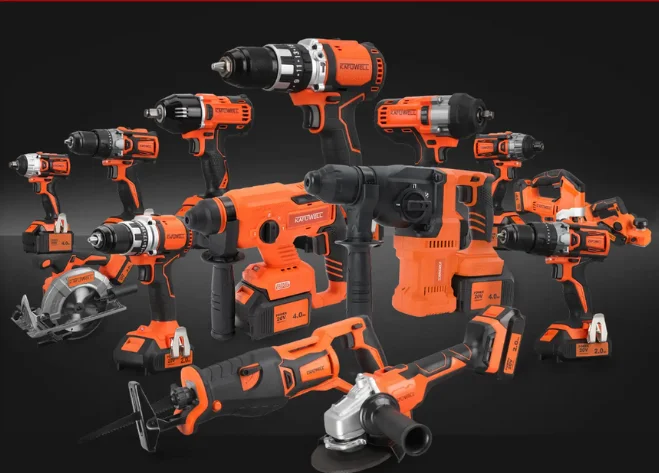
Common Types Of Impact Wrenches
Impact wrenches come in several forms:
- Corded electric: Plug-in power, consistent torque, ideal for workshops.
- Cordless: Battery-powered flexibility, perfect for mobile mechanics or field work.
- Pneumatic: Air-driven tools favored in professional garages for their unmatched torque.
Each type balances power, portability, and cost differently.
Why It’s So Popular In Automotive And Industrial Work
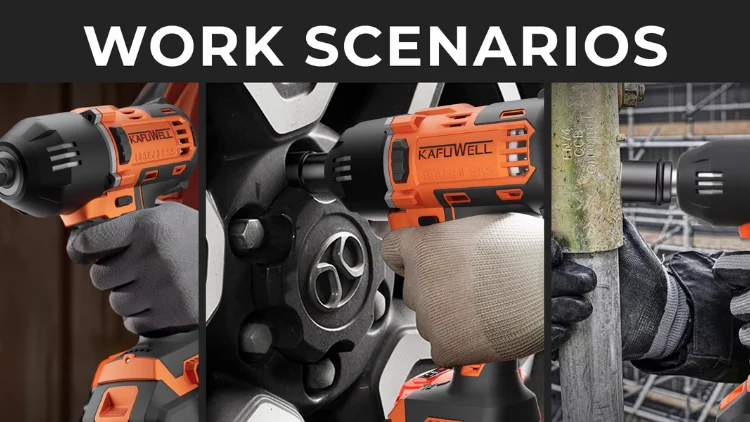
Speed and power are the main reasons. In auto repair shops, construction sites, and manufacturing plants, an impact wrench can remove lug nuts or bolts in seconds — tasks that would take minutes with a breaker bar. It also minimizes operator fatigue and ensures consistent performance across repetitive jobs.
Breaker Bar Vs Impact Wrench — The Key Differences Explained Clearly
Power Source And Operation
A breaker bar relies solely on human force and leverage. It’s simple, portable, and foolproof. The impact wrench, on the other hand, uses electric or pneumatic power to create rotational force. It does the heavy lifting for you, delivering hundreds of foot-pounds of torque with minimal effort.
Torque Output And Speed
While a breaker bar can theoretically generate tremendous torque, it depends entirely on the user’s strength and handle length. An impact wrench can easily deliver 400–1,000 ft-lb of torque instantly. In real-world use, the power tool wins for speed, but the hand tool still offers unmatched control.
Portability And Maintenance
Breaker bars are the ultimate low-maintenance tools — no batteries, no air hoses, no cords. They can sit in your toolbox for years and still work perfectly. Impact wrenches require occasional maintenance, battery charging, or air compressor setup.
Noise, Safety, And Control
A breaker bar is silent and vibration-free. An impact wrench, while fast, can be loud and jarring. It’s crucial to use hearing protection and impact-rated sockets. In terms of control, breaker bars give you precise tactile feedback, while impact wrenches rely on preset torque settings or experience to avoid over-tightening.
Cost And Long-Term Value
Breaker bars are budget-friendly — often under $50. Impact wrenches cost more, especially high-quality cordless models, but they save time and labor in professional settings. For hobbyists, a breaker bar may be enough; for daily users, the impact wrench is worth every dollar.
learn more:What Is an Impact Drill Used For
When To Use A Breaker Bar — Situations Where Manual Torque Wins
Working With Stuck Or Rusted Bolts
When a fastener is rusted solid or frozen in place, slow and steady pressure is safer than brute power. The breaker bar lets you “feel” the resistance and apply gradual torque to avoid snapping bolts.
Precision Tasks And Tight Spaces
For small jobs or confined areas, where an impact wrench won’t fit, a breaker bar remains the better choice. Its quiet, controlled operation makes it ideal for sensitive assemblies or projects requiring careful adjustment.
As A Backup Tool In Every Workshop
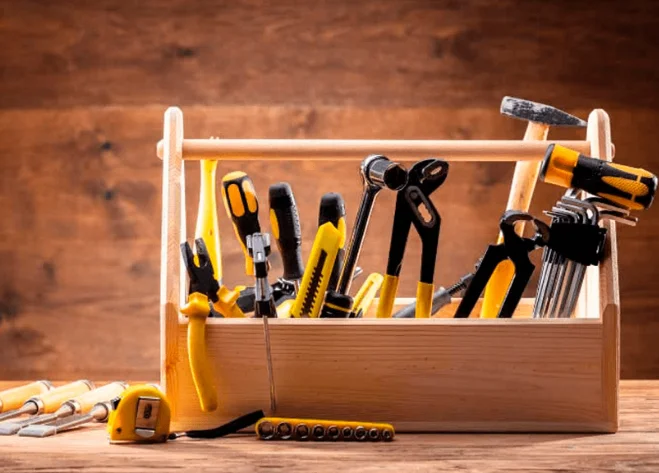
Even if you rely on power tools daily, having a breaker bar in your toolbox is smart insurance. Batteries die, compressors fail — but a breaker bar never does. It’s the emergency hero of any garage.
When To Use An Impact Wrench — Power, Speed, And Convenience
High-Volume Or Repetitive Work
When you’re changing multiple tires or assembling heavy machinery, nothing beats the speed of an impact wrench. Its hammering action removes bolts in seconds, drastically cutting down working time.
Heavy-Duty Or Industrial Applications
From construction to factory maintenance, impact wrenches handle fasteners that would be impossible to remove manually. They are built for professionals who deal with high-torque, high-frequency tasks.
Saving Time And Reducing Fatigue
Manually applying torque over long shifts can lead to fatigue or even injury. An impact wrench eliminates that strain, allowing workers to stay productive and efficient — a major reason why most modern workshops have switched to powered tools.
Which Tool Is Stronger — The Truth About Torque And Real-World Use
Theoretical Strength vs Practical Performance
In theory, a long breaker bar can produce enormous torque — you could even stand on it to multiply force. But in practice, your body weight, grip, and workspace limit how much you can apply. An impact wrench, by contrast, delivers consistent high torque regardless of the user’s strength.
How Environment And Task Type Affect “Strength”
In wide, open spaces with rusted bolts, a breaker bar offers steady control and safety. In tight, fast-paced environments, the impact wrench’s burst torque breaks corrosion faster and saves time. “Stronger” depends on the situation, not just the numbers.
The Smart Approach — Using Both Together
Professionals often combine both tools. The impact wrench handles most of the heavy lifting, while the breaker bar finishes or adjusts bolts with precision. Used together, they balance power with control.
Safety Tips And Best Practices For Both Tools
Using The Right Socket And Torque Setting
Always use impact-rated sockets for powered tools — chrome sockets can shatter under stress. Follow recommended torque values for each application to avoid damaging threads.
Avoiding Over-Tightening And Damage
Never rely on an impact wrench alone for final tightening. Once bolts are seated, switch to a torque wrench for accurate specs.
Maintenance And Care
Keep breaker bars clean and check for bending or cracks. For impact wrenches, charge batteries properly, drain moisture from air hoses, and lubricate regularly. Proper care extends both tools’ lifespans and ensures safe performance.
Why Impact Wrenches Are The Future Of Workshops
How Technology Makes Them Safer And More Efficient
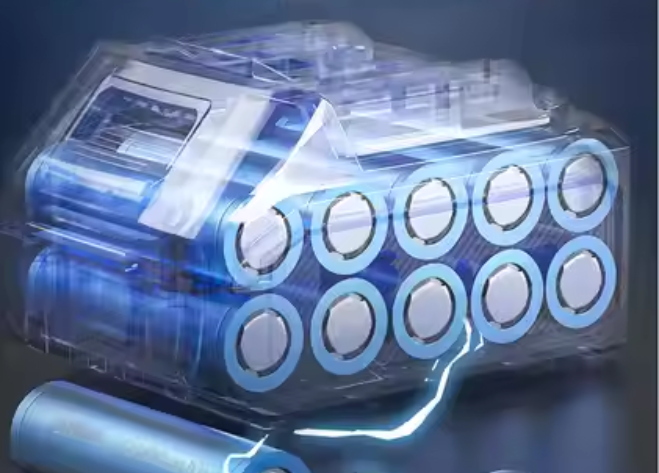
Modern impact wrenches are lighter, quieter, and smarter. With brushless motors, torque control systems, and long-lasting lithium batteries, they deliver professional performance without the bulk of older models.
The Professional Choice For Modern Mechanics
For workshops and distributors, investing in impact wrenches means higher efficiency and customer satisfaction. These tools embody the shift from manual strength to mechanical precision — the future standard of productivity.
Conclusion
Both the breaker bar and impact wrench have their place. One offers timeless control and reliability, while the other delivers speed and effortless power.
If you value precision for occasional jobs, stick with a breaker bar. But if you want consistent strength and time-saving performance, the impact wrench is the smarter choice.
Explore KAFUWELL, your trusted source for professional impact wrenches engineered for durability, precision, and pure torque efficiency.