Welding is an incredibly practical skill that finds wide application in home DIY projects, automotive repairs, metal fabrication, and more. For beginners, choosing the right welding machine is a critical first step toward success.
This guide will introduce the best beginner-friendly welding machines for 2025, helping you make an informed choice based on your needs and usage scenarios.
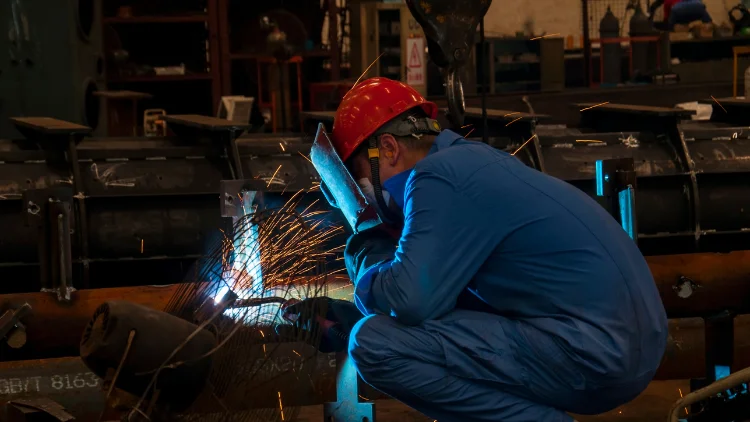
Common Welding Types
MIG Welding (Metal Inert Gas)
MIG welding is known for being easy to learn, efficient, and beginner-friendly. This process uses a continuous wire feed to deliver filler metal into the weld pool, where it’s melted by an electric arc under the protection of inert gas such as argon or a gas mixture.
Key advantages:
- High welding speed: Continuous wire feeding eliminates the need for frequent electrode replacement, making it efficient for long welds.
- Clean and neat welds: Minimal spatter and reduced post-weld cleanup.
- Versatile material compatibility: Suitable for welding steel, aluminum, stainless steel, and more.
- Automation-ready: Ideal for batch welding or integration with robotic arms in production environments.
However, MIG welding requires a stable shielding gas supply and is sensitive to wind or drafts, making it more suitable for indoor or workshop use.
TIG Welding (Tungsten Inert Gas)
TIG welding is known for its exceptional precision and high-quality welds. It uses a non-consumable tungsten electrode and an inert shielding gas (typically argon) to create a clean, controlled weld.
Advantages:
- Extremely fine and visually appealing weld seams
- Compatible with a wide range of metals including aluminum, stainless steel, and copper
- No slag or spatter, resulting in minimal cleanup
- Precise heat input control, ideal for thin materials
That said, TIG welding is technically more demanding, requiring the coordination of both hands and a higher skill level. It’s best suited for experienced users or professionals.
However, if you value aesthetic weld quality—for example in stainless steel kitchen units or artistic metalwork—TIG is a worthwhile investment.
Stick Welding (Shielded Metal Arc Welding)
Stick welding is a traditional yet highly versatile method widely used in construction, repair work, and outdoor applications. It involves a flux-coated electrode that acts as both the filler and the arc conductor. The arc melts the metal, forming the weld.
Advantages:
- Simple equipment that’s easy to transport
- Performs well in outdoor, damp, or windy environments
- Wide availability and low cost of electrodes
- Strong penetration, suitable for medium to thick steel
Although stick welding produces slag and the weld appearance may not be as clean as TIG, its excellent environmental adaptability makes it ideal for on-site work, heavy-duty repairs, and field welding.
It’s also a great starting point for beginners to practice and build foundational skills.
Key Factors to Consider When Choosing a Welding Machine
Power Supply Compatibility
Welding machines designed for 110V are generally better suited for light-duty DIY tasks in home environments, while 220V machines are more common in industrial workshops or professional settings, capable of driving higher-powered welders.
When selecting a machine, always consider the available voltage in your workspace to ensure compatibility and safe operation.
Output Current Range
The output current directly affects the thickness of the materials you can weld. Beginners should choose a machine with a wide current range to accommodate different types of tasks. Here’s a general guide:
- 30–90A: Suitable for welding 1.5–3mm thin metal sheets, such as metal doors or angle iron frames.
- 90–140A: Ideal for 3–6mm medium-thickness materials, such as home fixtures or motorcycle parts.
- Above 140A: Capable of welding 6–10mm thick steel plates or heavy-duty components, suitable for industrial applications.
A 30–140A range is typically recommended for beginners, as it covers most household projects while allowing room for skill growth.
Portability and Weight
For personal or mobile use, lighter machines are more convenient. Heavy, stationary welders can be cumbersome and limit your working locations.
General reference categories:
- < 5kg: Ultra-light models; easy to carry with one hand; ideal for outdoor jobs or on-the-go repairs.
- 5–10kg: Balanced option for home workshops or light industrial tasks.
- 10kg: Heavier units, better suited for fixed workbenches or high-intensity applications.
User Interface and Ease of Use
A simple, intuitive interface is essential for beginners to learn quickly and avoid mistakes.
Recommended features:
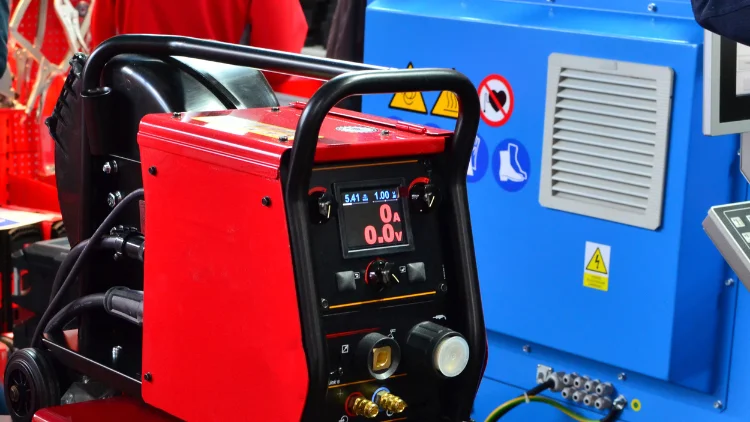
- LED digital display: Shows current and voltage in real-time, allowing for precise adjustments.
- Knob or dial-based controls: Offer tactile feedback, more intuitive than touchscreen panels.
- One-touch preset modes: Some machines include preconfigured options like “Thin Sheet Mode” or “Stick Mode”—perfect for getting started without manual adjustments.
A user-friendly design significantly improves the learning curve and overall experience.
Safety Features and Durability
For beginners, safety should always come first. A quality welder should include these essential protections:
- Overheat protection: Automatically shuts down the machine if internal temperature is too high.
- Overload protection: Prevents sudden current surges that could damage the device or pose safety risks.
- Shock-resistant casing: Made from flame-retardant, heat-resistant materials for long-lasting durability.
In addition, machines equipped with IGBT inverter technology offer higher efficiency and more stable output, making them suitable for extended use and reducing the risk of failure over time.
Recommended Welding Types for Different Use Cases
Different welding processes are better suited for different applications. To help you quickly identify the most suitable method for your needs, we’ve compiled a list of common use scenarios and the recommended welding types for each.
| Application Scenario | Recommended Welding Type | Reason / Use Case |
| Home DIY / Light Metal Furniture | MIG / Stick | MIG is ideal for frames, shelves, and light structures; Stick is simple and portable for outdoor tasks |
| Automotive Repair / Bodywork | MIG / TIG | MIG works well for thin sheet metal; TIG is preferred for aluminum or clean, aesthetic welds |
| Stainless Steel / Aluminum / Copper | TIG | High precision and clean finish, ideal for fine metalwork and corrosion-sensitive materials |
| Outdoor Construction / Farm Repairs | Stick | No gas required, withstands wind, dust, and heat; suitable for harsh remote environments |
| Machinery Parts / Medium-Thickness Steel | Stick / MIG | Stick provides deep penetration for structural welds; MIG supports longer, cleaner weld seams |
| Artistic / Precision Metal Fabrication | TIG | Highly controllable arc, smooth welds; ideal for sculptures, displays, and detailed metalwork |
| Industrial Production / Automated Welding | MIG | Supports wire feeding and automation; high efficiency for mass production environments |
| Shipbuilding / Marine Engineering | Stick / TIG | Stick is robust for hull welding; TIG suits stainless pipework and corrosion-critical areas |
| Structural Steel / Rebar Connections | Stick | Strong and stable welding in construction sites, suitable for beams, rebar, and outdoor steelwork |
| Oil & Gas Fields / Extreme Environments | Stick / TIG | Stick handles heat and sand well; TIG ensures precision on pressure pipes and stainless components |
Frequently Asked Questions for Beginners
1. What type of welding machine is best for beginners?
MIG welders are generally the best choice for beginners because they are easy to operate, offer fast welding speeds, and are versatile across different materials and projects.
2. Do I need to buy a gas cylinder for welding?
Only MIG and TIG welding require shielding gas—typically argon or a mixed gas. Stick welding does not require a gas cylinder, making it ideal for tight budgets or outdoor use.
If you’re using flux-cored MIG wire, you can start without a gas cylinder, which is especially convenient for beginners.
3. What metals are best for beginners to weld?
It’s recommended to start with mild steel due to its moderate heat conductivity, high tolerance for mistakes, and low cost.
Aluminum and stainless steel require stricter control of heat input and surface cleanliness, so they are better suited for users with some experience.
Avoid welding galvanized steel or copper as a beginner—galvanized coatings release toxic fumes, and copper requires specialized techniques due to its high conductivity.
4. How can I weld safely?
- Always wear proper protective gear: a welding helmet, fire-resistant gloves, and a welding jacket.
- Ensure your workspace is well-ventilated to avoid inhaling harmful fumes.
- Keep flammable materials away from the welding area, and always have a fire extinguisher nearby.
5. How should I maintain and care for my welding machine?
- Regularly inspect the cables, connectors, and electrode holders for damage or loose connections.
- Clean the machine to prevent dust and metal particles from affecting performance.
- For MIG welders, check the wire feed system and replace worn-out liners or tips as needed.
- Keep the machine dry and cover it when not in use.
Conclusion
Choosing the right welding machine is a crucial first step for anyone starting out in welding. By understanding the strengths and limitations of different welding methods—and factoring in your personal needs and budget—you can confidently select the equipment that suits you best.
If you’re looking for a reliable, beginner-friendly welding machine, we invite you to explore our curated selection. Whether it’s for home DIY, outdoor repairs, or light industrial use, we have the right solution to get you started.