When shopping for cordless power tools, one of the first things you’ll notice is the voltage — 12V, 18V, or even 20V. Voltage might seem like a simple number, but it actually tells you a lot about how powerful a tool is and what jobs it’s best suited for.
If you’ve ever wondered whether you should go for a 12-volt or 18-volt tool, this guide breaks down everything you need to know — from power and runtime to price, portability, and the kinds of projects each voltage excels at.
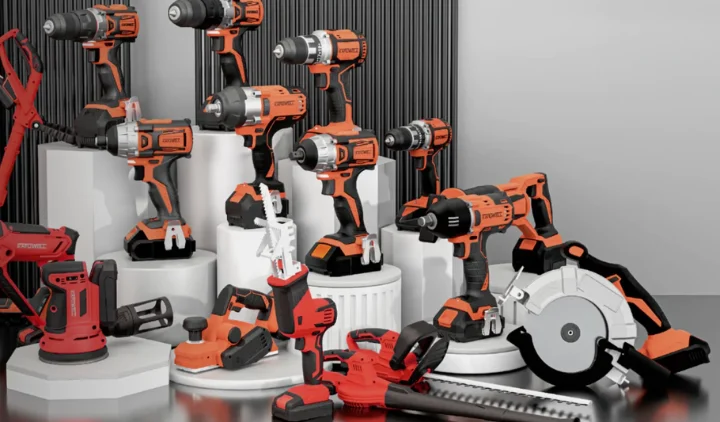
Understanding Tool Voltage
Voltage measures a tool’s power potential — the “push” that drives the motor. In cordless tools, a higher voltage usually means more torque and the ability to handle tougher materials.
Common tool voltages include 12V, 18V, and 20V, but 12V and 18V systems dominate the market.
- 12V tools are compact and designed for light to medium tasks, like assembling furniture, hanging shelves, or drilling small holes.
- 18V tools deliver significantly more power and are meant for professionals or users handling demanding jobs like construction, renovation, or heavy-duty carpentry.
Power and Performance Comparison
The most obvious difference between 12V and 18V tools is raw power.
- 12V Tools
These are best for light work. They’re great for drilling into softwood, tightening screws, or cutting lightweight materials. Their motors consume less power, so they generate less torque — but that also means they’re easier to control. - 18V Tools
These tools have larger, more powerful motors. They can drive large screws, bore holes through hardwood or metal, and run accessories that require more torque. For jobs that demand continuous, high performance — such as deck building or drywall installation — 18V is the more reliable choice.
In short:12V = control and convenience; 18V = strength and stamina.
Battery Life and Runtime
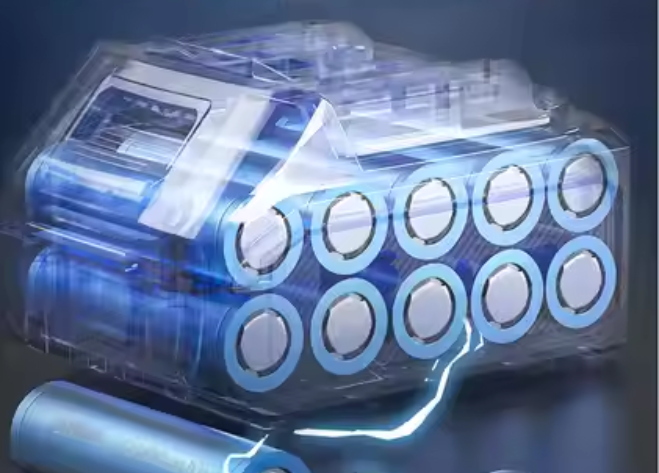
Voltage affects power, but amp-hours (Ah) determine how long the battery lasts per charge.
Here’s how the numbers play out:
- A 12V 2.0Ah battery offers moderate runtime — ideal for quick household fixes.
- An 18V 5.0Ah battery can power longer, tougher tasks without recharging as often.
Remember: even though 18V tools use more energy, they often have larger batteries to balance out the runtime. However, bigger batteries also mean more weight — something to consider if you use your tool for long periods.
Weight and Ergonomics
Weight is another major difference.
- 12V tools are noticeably smaller and lighter — often weighing less than half of an 18V equivalent. That makes them easier to maneuver in tight spaces or overhead.
- 18V tools are bulkier because of their larger motors and batteries. They offer more torque but can lead to arm fatigue during extended use.
For professionals who use tools all day, the added weight is worth the extra power. But for casual users or DIY enthusiasts, comfort and convenience usually matter more.
Price and Value
Price often reflects differences in power and system design.
12V systems are more affordable, with starter kits typically ranging from $70 to $150 USD, making them ideal for household or light-duty use.
18V systems generally cost $150 to $300 USD or more, especially when equipped with high-capacity batteries that deliver longer runtime and stronger performance.
When choosing a brand platform, battery compatibility is an important advantage. Once you own a battery from a specific voltage platform, you can use it across multiple tools within the same series — saving both cost and storage space while increasing overall value.
Which One Should You Choose?
Here’s a quick guide based on your use case:
| User Type | Recommended Voltage | Why |
| Casual DIYers / Homeowners | 12V | Lightweight, budget-friendly, easy to handle |
| Hobbyists or Light Trades | 12V or 18V | Choose 18V if you occasionally need more torque |
| Professionals / Contractors | 18V | Maximum power, longer runtime, heavy-duty reliability |
| Frequent Travelers / Maintenance Techs | 12V | Compact size fits tool bags easily |
In summary:
- Go with 12V if you value comfort, portability, and affordability.
- Go with 18V if you need muscle, runtime, and compatibility with professional tools.
Conclusion
Both 12-volt and 18-volt tools have their place.
A 12V drill is perfect for light tasks such as hanging curtains or assembling furniture, while an 18V drill can easily handle tougher materials like hardwood, metal, or concrete — making it ideal for heavy-duty work.
When choosing, think about the type of work you do most often — not just the biggest job you might someday tackle.
FAQs
Can a 12V drill handle most home projects?
Yes — 12V drills are strong enough for furniture assembly, curtain installation, and small repairs. For tougher materials like hardwood or concrete, 18V tools perform better.
Are 18V and 20V tools the same?
In most cases, yes. “20V Max” is a marketing term for the same nominal voltage (18V). Performance differences are minimal.
Can I use 18V batteries in 12V tools?
No — voltage systems are not interchangeable. Always match the battery to your tool series.