Power tools make projects faster, easier, and more efficient, but their strength can also lead to mistakes. Misuse not only reduces efficiency but can also cause serious damage or injury.
This guide highlights the most common mistakes with power tools and how to avoid them, so you can work safer and extend the life of your equipment.

1. Skipping Safety Gear
One of the most frequent power tool mistakes is neglecting personal protective equipment (PPE). Many users think safety gear is optional—until an accident happens.
- Why it’s a problem: Wood chips, sparks, or shards of metal can fly into your eyes within seconds. Prolonged exposure to loud tools like circular saws or angle grinders can also cause permanent hearing damage.
- Common oversights: Not wearing safety goggles, skipping gloves, or working without hearing protection.
- How to fix it: At minimum, always wear safety glasses, gloves, and earplugs or earmuffs. For cutting or grinding jobs, add a dust mask or respirator to protect your lungs.
Power tool safety tips: Treat safety gear as part of the job, not an afterthought.
2. Using the Wrong Tool for the Job
A drill can do many things, but it is not a hammer drill. Likewise, an angle grinder isn’t meant to cut soft wood. Using the wrong tool for the task is one of the most common mistakes with power tools.
- Why it’s a problem: Misusing tools often results in poor workmanship, wasted time, and damaged equipment. For example, forcing a regular drill into concrete may burn out the motor.
- Solution: Always match the tool to the material and job. Need to drive heavy lag screws? Use an impact driver instead of a standard drill. Working with concrete? Use a hammer drill or rotary hammer.
3. Neglecting Regular Maintenance
Power tools are precision machines, and like any machine, they need care. Unfortunately, many users put tools back on the shelf without cleaning or inspection.
- Consequences: Dust buildup clogs ventilation, dull blades strain motors, and neglected batteries lose performance.
- Better practice: After each use, wipe down your tools, clean vents, check moving parts, and store them in a dry space. Recharge batteries before storing them for long periods.
4. Ignoring Manufacturer Instructions
It’s tempting to throw away the manual and “figure it out.” But ignoring manufacturer instructions is a mistake that can cost you efficiency—or worse, safety.
- Why it matters: Manuals explain torque settings, recommended drill bit types, speed ranges, and maximum loads. Skipping these details can result in stripped screws, overheated motors, or dangerous accidents.
- Tip: Keep digital versions of manuals (PDFs from the manufacturer’s site) in a folder. That way, you always have quick access when switching accessories or troubleshooting.
5. Overworking the Tool
Every power tool has limits. Pushing them too far is one of the fastest ways to cause permanent damage.
- Examples of overuse: Running a cordless drill continuously on high torque without rest, or using a grinder for extended sessions without cooling breaks.
- Risks: Overheating, burned-out motors, warped bits, or melted plastic housings.
- Fix: Work in intervals. Give tools time to cool during heavy tasks, and always use the right settings (low speed for tough jobs, high speed for lighter work).
6. Incorrect Battery Handling (Cordless Tools)
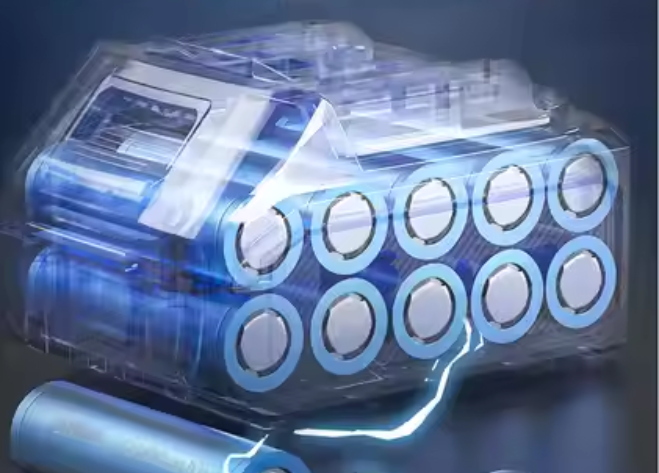
Cordless tools rely on lithium-ion batteries, which need proper care. Many users unknowingly shorten battery life with bad habits.
- Mistakes to avoid:
- Fully draining the battery before charging.
- Storing batteries in hot or freezing environments.
- Using non-OEM chargers.
- Correct practice: Store batteries at 40–60% charge if not using them for weeks. Keep them in a cool, dry place. Always use the manufacturer’s charger to ensure safety and performance.
Handled correctly, your batteries will last hundreds of cycles longer.
7. Using Worn or Wrong Accessories
Blunt drill bits, mismatched saw blades, or worn-out grinding discs are disasters waiting to happen.
- Why it’s risky: Worn accessories reduce efficiency, put extra stress on motors, and can even shatter mid-use.
- Solution: Regularly inspect and replace bits, blades, and attachments. Match tool accessories to the material (wood vs metal vs masonry).
Example: A masonry bit for concrete, a fine-tooth blade for wood, or a cut-off wheel for metal.
8. Poor Storage Practices
Even the best power tools won’t last if stored carelessly. Tossing them into a damp garage or leaving them exposed to dust and sunlight will quickly degrade performance.
- Problems caused: Rust, swollen batteries, electrical issues, and shorter lifespan.
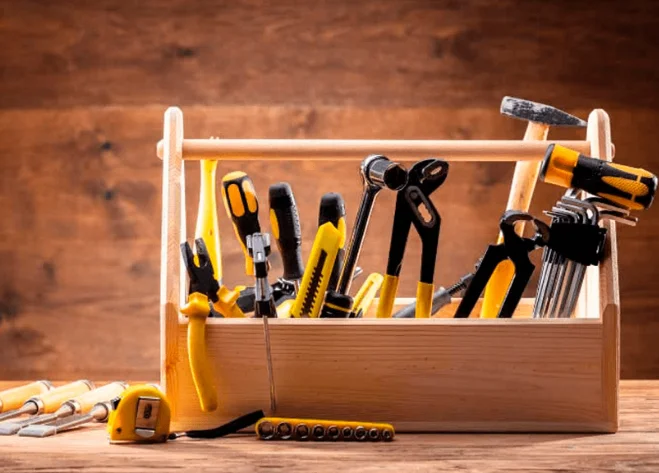
- Better solution: Store tools in their cases or a toolbox with silica gel packs to absorb moisture. Keep them off the ground and away from direct sunlight.
Good storage habits keep tools safe, clean, and ready for the next project.
Conclusion
Avoiding these mistakes keeps your projects safer and your tools in top condition. By using proper protection, handling tools correctly, and storing them well, you’ll work more efficiently and extend their service life. For durable and reliable equipment, explore the full range of Kafuwell power tools—built to deliver safety and performance on every job.