When people shop for power tools, they often focus on brand, speed, or battery life. But one feature quietly determines how effective and versatile a tool really is—torque. Torque is the twisting force that makes a drill bore into wood, an impact driver sink long screws, and a wrench loosen stubborn bolts.
Without the right torque, even the most powerful motor or largest battery can feel underwhelming. In this guide, we’ll explain what torque is, how it affects different tools, and why choosing the right torque matters for every user.
What Is Torque in Power Tools?
Torque, measured in Newton meters (Nm), describes the rotational force a tool produces. Imagine tightening a screw with a short screwdriver versus a long-handled wrench. The wrench delivers more torque because it applies more twisting force with less effort.
In power tools, torque and speed are closely related. Higher torque usually means lower speed, while higher speed means less torque. For example:
- Low speed + high torque is ideal for driving big screws into dense wood.
- High speed + lower torque is better for drilling small holes quickly in softer materials.
Understanding this balance helps you choose the right tool for the right job.
How Torque Affects Different Power Tools
Drills and Impact Drills
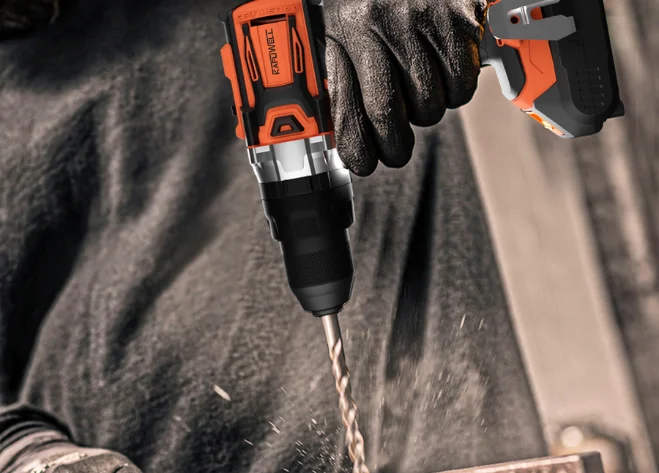
A drill with adjustable torque can handle both delicate and tough jobs. High torque makes it easier to drill into hardwood or metal, while lower torque prevents damaging softer materials like pine or drywall.
Impact Drivers
Impact drivers are built around torque. Their internal mechanism delivers rapid bursts of twisting force—up to 50 impacts per second—allowing you to drive long screws or thick bolts into hard materials with minimal effort.
Hammer Drills and Rotary Hammers
While these tools focus on combining rotary action with hammering for masonry, torque still matters. More torque ensures the drill bit doesn’t stall when drilling into concrete or brick.
Impact Wrenches
In automotive and heavy-duty construction, torque is the star. An impact wrench delivers very high torque to loosen lug nuts, tighten structural bolts, or work on machinery where ordinary drills or drivers would fail.
Adjustable Torque Settings: Why They Matter
Many drills and hammer drills include a clutch, or torque adjustment system. This setting allows the tool to disengage when resistance becomes too high.
Benefits include:
- Preventing damage: Avoids snapping screws or stripping threads.
- Protecting materials: Stops overtightening in softer woods and plastics.
- Improving accuracy: Lets you match torque to the job, whether assembling furniture or installing cabinets.
Impact drivers, on the other hand, skip the clutch entirely. They’re built for brute strength and fast results, not precision.
Common Mistakes When Considering Torque
Assuming higher torque is always better
More torque doesn’t equal better performance if the job doesn’t need it. Driving tiny screws with maximum torque can easily split wood.
Ignoring torque settings
Many beginners leave drills on the highest torque setting, which leads to stripped screws, broken bits, and damaged surfaces.
Using the wrong tool altogether
Trying to drive structural bolts with a low-torque drill wastes time and risks tool failure. An impact driver or wrench is the correct choice.
How to Choose the Right Torque for Your Needs
Different users require different torque levels. Here’s a simple guide:
| Tool Type | Recommended Torque Range | Best For |
| Cordless Drill | 20–50 Nm | Household tasks, furniture, light repairs |
| Impact Drill | 40–80 Nm | Drilling into wood, light masonry |
| Impact Driver | 100–180 Nm | Driving long screws, dense wood, heavy fastening |
| Hammer Drill | 60–120 Nm | Masonry, brick, and mixed materials |
| Impact Wrench | 200–600+ Nm | Automotive work, construction, heavy-duty bolts |
This table shows why torque matters. Choosing the right range ensures your tool works efficiently without unnecessary strain.
The Future of Torque in Power Tools
Torque control is becoming smarter. Here are some innovations shaping the future:
- Brushless Motors: Deliver torque more efficiently, with less heat and longer tool life.
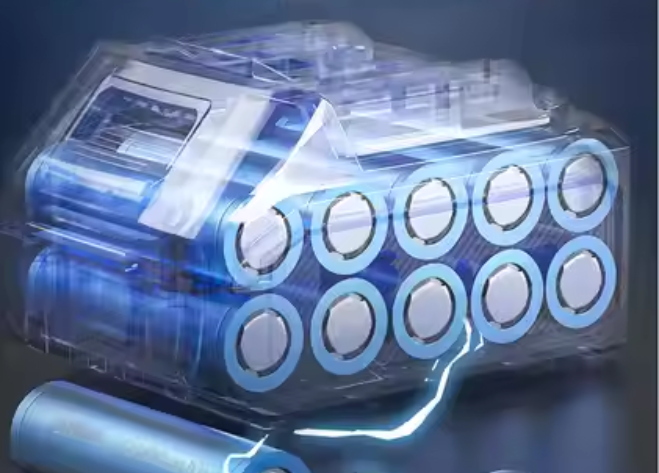
- Advanced Batteries: High-capacity lithium packs provide consistent torque for longer periods.
- Smart Sensors: Some tools now adjust torque automatically to match the material, reducing errors and improving results.
These advancements mean future tools won’t just deliver raw power—they’ll adapt intelligently to your work.
Conclusion
Torque isn’t just a technical detail—it’s the backbone of power tool performance. By understanding torque and how it applies to drills, drivers, and wrenches, you’ll choose tools that last longer, perform better, and make your projects easier.
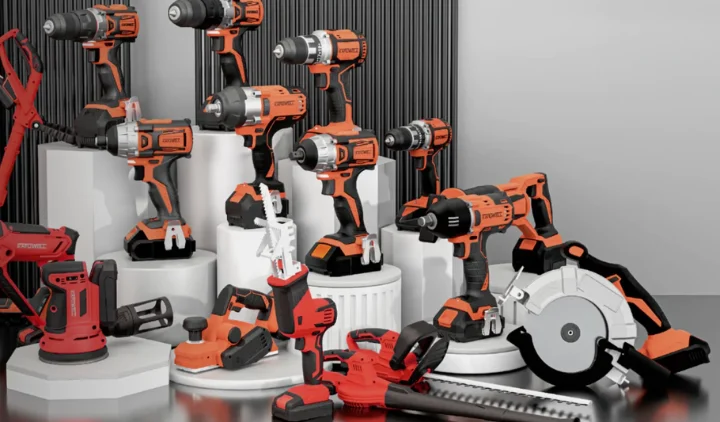
If you’re looking for durable, high-torque tools designed for both DIY users and professionals, explore the full range at Kafuwell. From cordless drills to heavy-duty impact wrenches, our tools deliver the torque you need to get the job done right.