When you pick up a drill, your project’s success doesn’t only depend on the power of the tool—it depends heavily on the drill bit you choose. Using the wrong bit can burn wood, crack tile, or dull after only a few holes in metal. Choosing the right drill bit for different materials ensures cleaner results, saves time, and extends the life of both your drill and the bits themselves.
In this guide, we’ll walk through the most common materials you’re likely to work with—wood, metal, concrete, tile, and glass—and explain which drill bits are best for each.
Understanding Drill Bit Basics
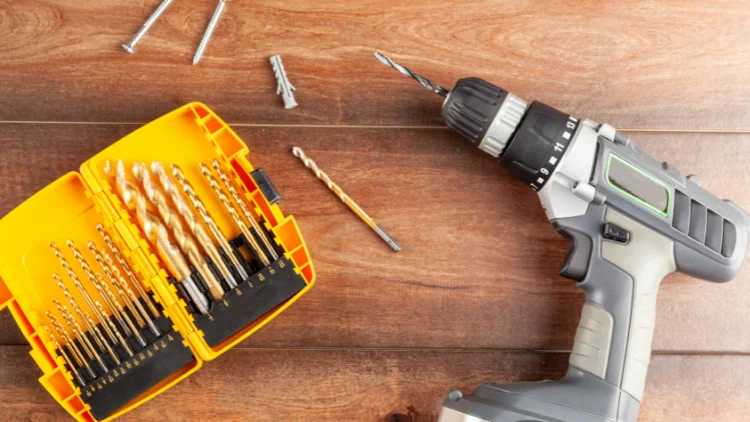
Before diving into specific materials, it helps to know the basics of drill bits:
- High-Speed Steel (HSS): A common choice for general drilling, especially in softer metals and wood.
- Cobalt Steel: More durable than HSS, ideal for harder metals like stainless steel.
- Carbide-Tipped Bits: Very hard and heat-resistant, designed for masonry and concrete.
- Diamond-Coated Bits: Excellent for tile, glass, and ceramics, where precision and cooling are critical.
Shapes also matter:
- Twist Bits: Standard, spiral-shaped bits for most everyday drilling.
- Spade Bits: Flat, paddle-shaped bits used to drill larger holes in wood quickly.
- Brad-Point Bits: With a sharp center tip, these are perfect for clean, precise holes in wood.
- Masonry Bits: Recognizable by their blunt, often carbide-tipped ends for hammer drilling.
Best Drill Bits for Wood
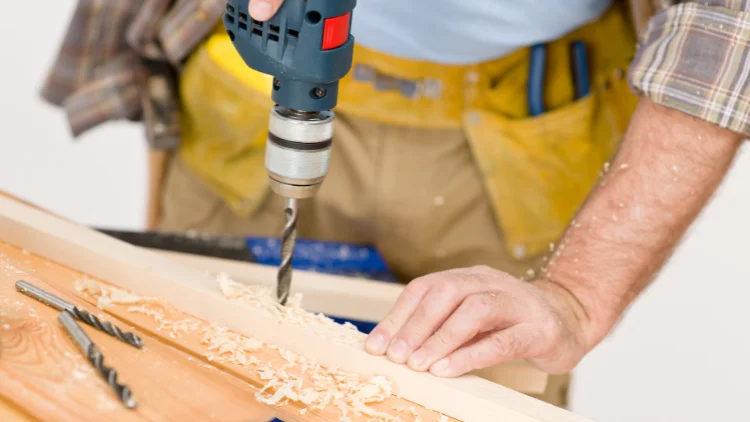
Wood is forgiving, but it still requires the right drill bit for clean results:
- Brad-Point Bits: The sharp tip centers the bit, reducing “walking” and giving smooth edges.
- Spade Bits: Good for larger, rough holes, such as running cables through studs.
- Auger Bits: Designed for deep, clean holes in hardwoods.
Pro Tip: To avoid burning or splintering, drill at a moderate speed and back the bit out occasionally to clear chips.
Best Drill Bits for Metal
Metal drilling puts more stress on your drill bits than wood. The wrong choice quickly dulls the edge or overheats the bit.
- HSS Bits: Work fine for soft metals like aluminum or copper.
- Cobalt Bits: Best for stainless steel and harder alloys—resist heat and stay sharp longer.
- Step Bits: Cone-shaped, great for enlarging holes in thin sheet metal.
Tips for Drilling Metal:
- Always use a lower drill speed.
- Apply cutting oil to keep the bit cool and extend its life.
- Clamp the material securely to avoid slipping.
Best Drill Bits for Concrete, Brick, and Stone
Masonry surfaces are dense and abrasive. Standard bits won’t even scratch them—this is where masonry bits come in.
- Carbide-Tipped Masonry Bits: Durable, heat-resistant tips designed for hammer drills.
- SDS Bits: Specialized shank design for rotary hammer drills, excellent for deep holes in concrete.
Tips for Drilling Masonry:
- Use a hammer drill or rotary hammer for best results.
- Start with a smaller pilot hole before enlarging.
- Keep the bit cool by pausing periodically and blowing away dust.
Best Drill Bits for Tile, Glass, and Ceramic
These materials are brittle, and the wrong bit can crack or shatter them instantly.
- Diamond-Coated Bits: Provide precise, smooth drilling without excessive pressure.
- Spear-Tip Bits: Designed specifically for tile and glass with a sharp, pointed end.
Tips for Drilling Fragile Surfaces:
- Apply light, steady pressure.
- Drill at a low speed.
- Use water for continuous cooling and dust suppression.
Drill Bit Sizes and Matching with Screws
Choosing the correct bit size is just as important as choosing the right type. Too small, and the screw may split the material; too large, and the screw won’t grip.
- For pilot holes, the bit should match the screw’s shank (the solid part, not the threads).
- For clearance holes, the bit should match the screw’s outer thread diameter.
- Many manufacturers provide a drill bit size chart—keep one handy for quick reference.
Tips for Extending Drill Bit Life
Drill bits wear down faster when misused. A few simple habits can double their lifespan:
- Control Heat: Always drill at the recommended speed for the material.
- Lubricate: Use cutting oil for metal, water for tile or glass.
- Clear Chips: Lift the bit occasionally to remove debris.
- Storage: Keep bits in a case to protect the edges.
- Sharpening: Twist bits and larger wood bits can be resharpened with the right tools.
FAQs About Choosing Drill Bits
Can you use a wood drill bit on metal?
Not recommended—wood bits will dull quickly and may not cut through harder metals.
What is the strongest drill bit material?
Carbide and diamond-coated bits are the hardest, but cobalt is the best balance of toughness and affordability for everyday use.
Which drill bit is best for stainless steel?
Cobalt drill bits are ideal thanks to their heat resistance and durability.
Do I need a special drill for masonry bits?
Yes, for concrete and brick, a hammer drill or rotary hammer is essential.
Conclusion
By matching your drill bit to the material, you’ll enjoy cleaner results, save money on replacements, and get more done with less frustration.
If you’re looking for reliable, professional-grade power tools and accessories, explore what KAFUWELL has to offer. With decades of experience in tool manufacturing, KAFUWELL delivers durable solutions for DIYers and professionals alike.