An angle grinder is a compact tool that accepts a variety of discs for cutting, grinding, cleaning, and polishing metal, masonry, tile, and even some wood. This article covers common tasks, the appropriate discs to use, and frequently asked questions.
Common jobs you can do with an angle grinder
1) Cutting metal
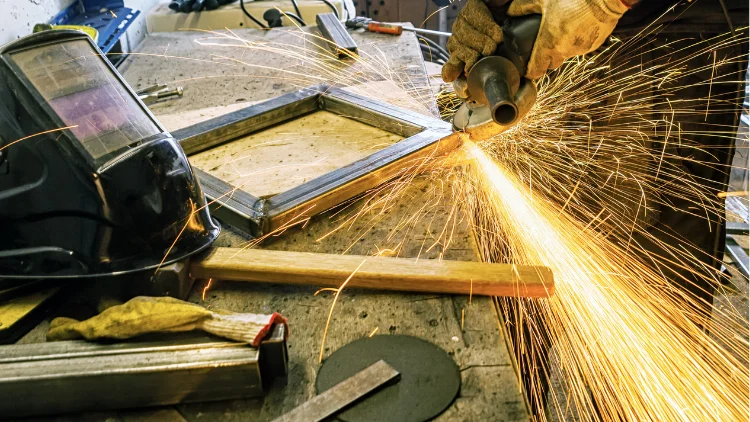
If you need to shorten a bolt, slice through rebar, or cut sheet steel, an angle grinder with a thin cutting disc does the job quickly. Hold the workpiece firmly, keep the disc square to the cut, and let the wheel do the work. For stainless steel, a thin disc labeled for stainless gives a cleaner cut and reduces heat discoloration. When cutting thicker material, make several shallow passes rather than forcing one deep cut.
2) Grinding and shaping welds
After fabrication, weld beads often need to be leveled or blended. A grinding wheel removes height fast. Follow with a flap disc to smooth the surface and prepare it for paint or finishing. Keep the grinder at a slight angle so the disc skims the surface rather than digging into it. For bevels or chamfers, mark your line first and take light passes to maintain control.
3) Deburring and edge cleanup
Freshly cut metal edges can be sharp. A quick touch with a flap disc or a coarse sanding disc rounds the edge and removes burrs. Work with light pressure and check progress often to avoid thinning the part.
4) Rust and paint removal
Before repainting a railing or restoring a part, strip the surface to clean metal. A wire cup or wire wheel lifts rust and loose paint without removing too much base material. On large flat surfaces, a nonwoven conditioning disc leaves a uniform finish that takes primer well. Move steadily to avoid hot spots and keep sparks away from glass and rubber.
5) Polishing metal
With the right sequence of flap discs and polishing pads you can move from a brushed finish to a mirror shine on stainless or aluminum. Start with a finer grit flap disc, switch to a nonwoven finishing wheel, then use a felt or wool pad with compound. Control heat by keeping the tool moving and using light pressure.
6) Masonry and concrete work
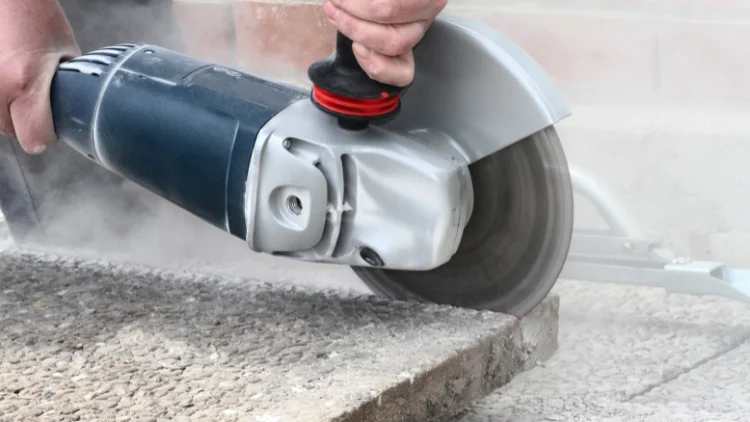
A diamond blade turns an angle grinder into a small masonry saw. Use it to score and cut pavers, bricks, or block. For concrete surface leveling or edge chamfering, a diamond cup wheel removes high spots and opens the surface before coatings. Dust control is important. A shroud with an extractor keeps the site clean and protects your lungs.
7) Tile trimming and edge finishing
A continuous rim diamond blade is the friendliest choice for ceramic and porcelain tile because it reduces chipping. Mark the cut, support the tile well, and feed slowly. For outlet notches or L cuts, make several passes, then break the waste and dress the edges with a rubbing stone or a fine diamond pad.
8) Mortar joint cleaning
When repointing, a mortar raking blade removes old mortar between bricks. Work with a steady hand and stop short of the brick face. Many professionals use a guide or fence to maintain depth and protect the masonry.
9) Wood shaping with caution
It is possible to shape wood with specialty carving discs and sanding pads. This is advanced work since wood can grab and kick if the disc binds. Use only attachments intended for wood, favor variable speed, and keep both hands on the tool. If you are new to power carving, practice on scrap and consider purpose made woodworking tools first.
Choose the right disc or attachment
The attachment (Saw Blades & Cutting Discs) determines what an angle grinder can do. Choose based on the material and task, and always check the label for suitability and maximum speed.
Cutting metal
Use thin resin bonded cutting discs. Stainless steel needs discs that are iron and sulfur free. Thin discs cut faster and leave a narrow kerf, while thicker discs last longer on heavy section.
Grinding and stock removal
Use depressed center grinding wheels for fast removal. A 36 to 60 grit flap disc blends and smooths while giving more control and a nicer finish.
Rust and paint removal
Use wire wheels and wire cups for heavy scale. For uniform satin finishes or for preparing to paint, use nonwoven conditioning discs. Start coarse, then step down to medium or fine.
Masonry and concrete
Use diamond blades. Segmented rims run cooler on block and concrete. Continuous rims are better for clean edges on tile. For leveling and surface prep, use diamond cup wheels. A dust shroud and extractor improve visibility and health.
Polishing
Use nonwoven finishing wheels, then felt or wool pads with compound. Keep pressure low and monitor heat.
Wood
Use purpose designed tungsten carbide shaping discs or sanding pads. Avoid improvised combinations. Wood requires finer control and often benefits from lower speed.
Before mounting any disc, confirm that its maximum rated speed equals or exceeds the grinder’s no load speed. Inspect the disc for cracks and damage, and fit the guard appropriate to the task.
Match the tool to the task
Disc diameter
Compact grinders with 115 millimeter or 125 millimeter discs handle most home and light trade work. Larger 180 millimeter and 230 millimeter tools cut deeper and remove material faster but are heavier and require more space and skill.
Power source
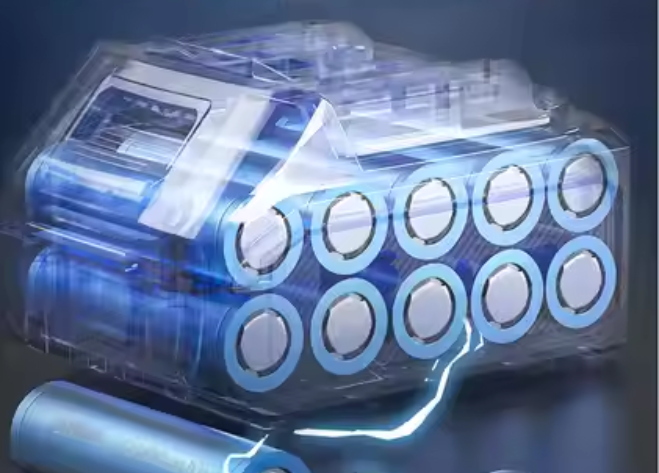
Corded grinders provide steady power for long sessions. Cordless grinders offer mobility and are ideal when you move between rooms or work at height. For cordless, capacity and charge rate matter. Two batteries and a fast charger keep you moving.
Speed control
Variable speed is valuable for polishing, finishing stainless, and working with wood or plastics. Lower speed reduces heat and helps sensitive materials.
Safety features
Soft start avoids a jump at power on. Electronic brake stops the disc quickly. Kickback control helps if the disc binds. Comfortable side handles reduce fatigue, and anti vibration grips are welcome during long grinding sessions.
Troubleshooting common issues
Blue discoloration or burnt edges on metal
This means heat buildup. Use a sharper disc, lighten your pressure, and take breaks between passes. For stainless, use discs marked for stainless and consider a lower speed if the tool allows it.
Chipping on tile edges
Switch to a continuous rim diamond blade, feed more slowly, and support the tile fully. For visible edges, finish with a rubbing stone.
Disc binding and kickback
The kerf is closing or the disc is twisted. Improve support, make a shallow score first, and do not lever the tool mid cut. On deep cuts, widen the kerf with a second pass rather than forcing the wheel.
Excessive vibration
Check that the disc is balanced and correctly seated. Replace worn flanges and use quality discs. Vibration increases risk and ruins finishes.
Wire strands flying from a brush
The brush is worn or overloaded. Replace it and reduce pressure. Wear a face shield and consider a different attachment for delicate surfaces.
Frequently asked questions
Can an angle grinder cut wood
Yes with specialty discs and careful technique. Wood can grab and kick and the risk rises with aggressive cutters. Beginners should practice first or use a saw designed for wood. Variable speed and two handed control are highly recommended.
What is the best disc for stainless steel cutting
Use a thin cutting disc labeled for stainless. These discs reduce contamination and heat tint. For finishing, follow with a fine flap disc and then a nonwoven finishing wheel.
Flap disc or grinding wheel for welds
Use a grinding wheel to knock down high welds fast, then switch to a flap disc to blend and refine. A flap disc runs cooler and leaves a surface that takes paint well.
Should I choose 115 or 125 millimeter
Both are nimble. The 125 millimeter size gives a slightly deeper cut and more choice of discs, while 115 millimeter tools feel a little smaller and lighter. For general use, 125 millimeter is a flexible starting point.
Do I need variable speed
If you plan to polish stainless, finish stone, or do any wood shaping, variable speed helps a lot. For heavy cutting and grinding of steel, a single speed tool works well.
How long does a disc last
Life depends on material, pressure, and technique. Thin cutting discs are consumables and wear down with every cut. Grinding wheels last longer on heavy stock removal. Replace any disc that is glazed, cracked, or vibrates.
Final thoughts
An angle grinder earns a place in your toolbox because a quick disc change lets it move from cutting to polishing on many materials. Start with a compact model and a core set of discs, then add polishing pads or diamond cup wheels as needed. For bulk purchase advice, contact us.