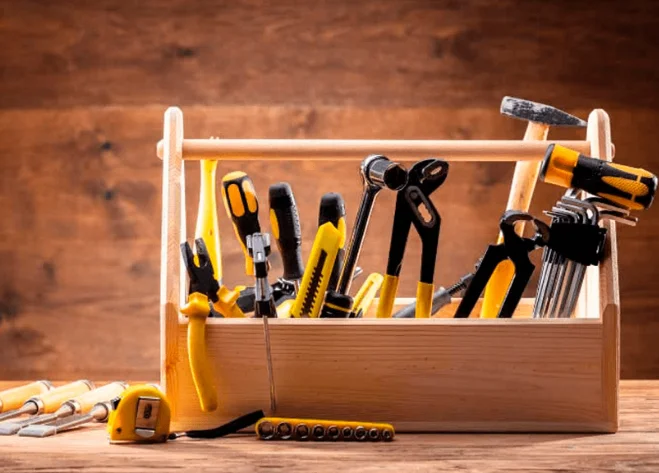
Power tools have changed how people build, fix, and create. Since the first electric drill hit the market in the late 1800s, they’ve helped professionals and DIY fans work faster and smarter. Today, these tools can be found in workshops, garages, and job sites across the world.
They take over the heavy lifting, save time, and make tough jobs safer. Whether you’re a contractor on a big project or a homeowner working on small repairs, power tools bring control and confidence to every task. Understanding their background and benefits helps you pick the right tool and use it well.
Types of Power Tools
When you walk through any home improvement store, it’s clear that power tools come in many shapes and sizes. Each tool has a purpose, from speeding up repairs to helping you take on jobs that would be nearly impossible by hand. Here’s a look at the main types and how they fit into daily work for both hobbyists and pros.
Handheld Power Tools
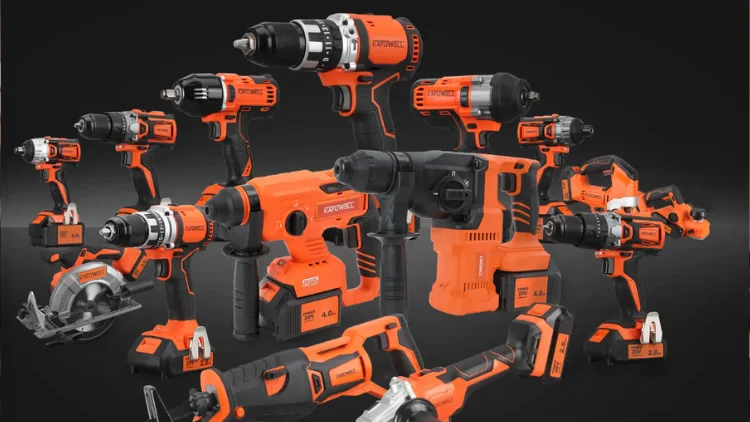
Handheld power tools are the go-to choice for tasks that need portability and speed. These versatile tools fit right in your hand, making them easy to guide and control.
Popular examples include:
- Drills: Used every day for drilling holes or driving screws. They’re a staple for assembly, repairs, and even creative projects.
- Impact Drivers: Best for tougher jobs, like driving large screws and bolts. Their extra torque saves your wrist and speeds up work.
- Grinders: Great for smoothing rough edges, removing old paint, or cutting through metal. A must-have for metalwork and restoration.
- Saws: This group covers circular saws, jigsaws, and reciprocating saws. Each type handles different materials and cuts, so you can choose the right one for wood, metal, or even masonry.
Key benefits of handheld tools:
- Lightweight and easy to move around.
- Perfect for quick fixes or projects in tight spots.
- Battery options mean you don’t always need a plug.
Stationary Power Tools
Stationary power tools bring muscle and precision to the workshop. These are large, often heavy tools that stay in one spot and handle big tasks with confidence.
Common stationary options include:
- Table Saws: Make long, straight cuts in large boards. Essential for furniture and carpentry work.
- Drill Presses: Offer steady, precise holes in wood, metal, or plastic. They help you get perfect depth and spacing every time.
- Lathes: Used to shape and carve wood or metal. Ideal for rounding table legs, spindles, or decorative pieces.
Primary uses of these tools:
- They’re built for projects that need accuracy and can’t be rushed.
- Great for detailed cuts, repetitive tasks, and bigger jobs that handheld tools can’t handle.
Corded vs. Cordless Tools
The debate between corded and cordless tools usually comes down to power, portability, and convenience.
- Plug straight into wall outlets.
- Deliver consistent power without worrying about batteries fading.
- Often weigh less because there’s no battery attached.
- Best for jobs that take a long time or need steady power.
- Run on rechargeable batteries.
- Give you freedom to work anywhere, inside or outside.
- Easier to maneuver, especially in tight spots or up ladders.
- Modern batteries last longer and swap out fast.
Pros and Cons at a Glance:
- Corded:
- Pros: Full-time power, lighter build, no charging downtime.
- Cons: Limited by the length of the cord, need for nearby outlets.
- Cordless:
- Pros: Go anywhere, less clutter, safe from tripping over cords.
- Cons: Heavier due to batteries, power fades if you don’t recharge.
Choosing between corded and cordless depends on your work style. If you value working untethered, cordless is a smart pick. For serious, non-stop tasks, corded tools often win out. Both types belong in a well-stocked toolbox, ready for whatever project comes next.
Key Features and Innovations in Power Tools
Power tools have come a long way from their noisy, heavy, and sometimes awkward roots. The newest models pack in features that make them powerful, easy to use, and smarter than ever before. These upgrades aren’t just about looking cool on the job site—they’re about doing your work faster, safer, and with less effort. Let’s look at the biggest changes shaping today’s power tools.
Ergonomics and User Safety
Manufacturers know that comfort and safety matter, whether you’re drilling for hours or making a handful of quick cuts. The latest features focus on protecting your hands, joints, and lungs, keeping you safer for the long haul.
Here are some of the top comfort and safety upgrades:
- Anti-vibration handles: These grips cut down shaking while you work. Less shake means less fatigue for your hands and arms, letting you work longer and with better control.
- Automatic shut-off: Extra peace of mind comes from tools that sense jams or overloads and shut off by themselves. This quick reaction stops accidents before they start and protects your gear at the same time.
- Dust extraction systems: Saws, sanders, and grinders now pull dust away as you cut or sand. You see your work area better, breathe easier, and don’t spend as much time cleaning up afterward. This feature also protects your lungs and keeps your workshop healthier.
With these features, you spend more time focused on the task and less time worrying about injuries or strain.
Advances in Battery and Motor Technology
Batteries and motors drive performance more than ever. Power tools today run longer, pack more punch, and need less downtime between jobs, thanks to two big upgrades: lithium-ion batteries and brushless motors.
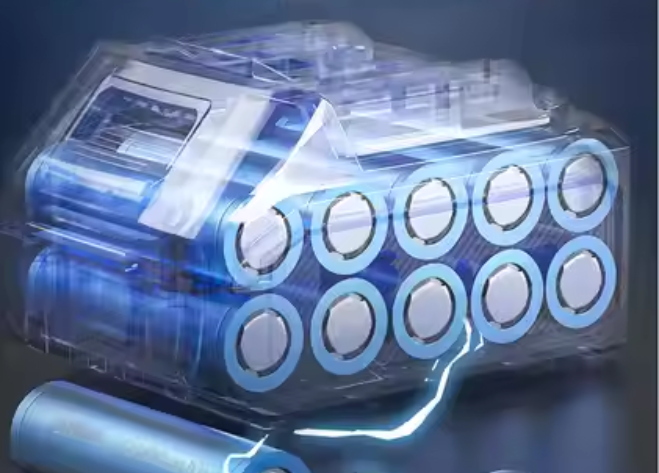
- Lithium-ion batteries: These batteries are lighter, recharge faster, and hold a charge longer than old nickel-cadmium types. You get more power in a smaller package, which is great for cordless tools. Swap them out quickly and keep working without dragging cords everywhere.
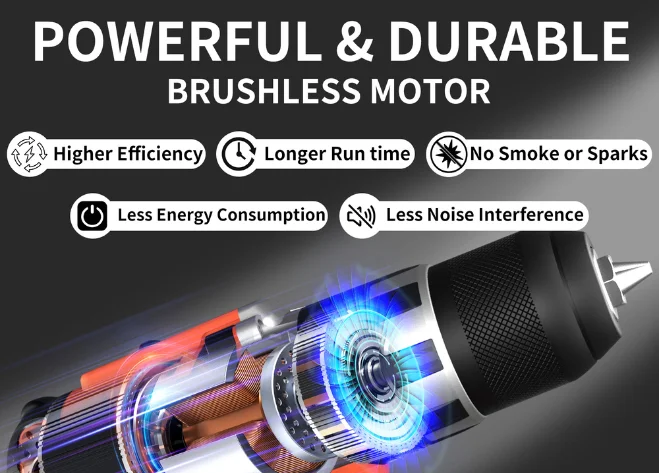
- Brushless motors: No brushes mean less friction and fewer parts to wear out. These motors deliver more power with less heat, which keeps your tools running strong for years. They’re also better at using less battery while doing the same amount of work, so you don’t have to stop as often.
For anyone tired of being tied to a plug or frustrated by equipment that fades mid-task, these upgrades put real muscle and staying power in your hands.
Read more: Brushless vs Brushed Motor: What’s the Difference?
Smart and Connected Tools
Digital technology isn’t just for phones and laptops—smart features are now part of the best power tools too. These upgrades help users stay connected, organized, and always in control.
Some standout smart features include:
- Bluetooth connectivity: Link your tools with your phone or tablet to customize settings, get tool updates, and track usage. You can even set up alerts if the tool leaves a job site, helping you keep track of expensive gear.
- Tool tracking: GPS and automation features help you find tools quickly if they go missing or get mixed up. This is a lifesaver for large job sites or crowded workshops.
- Programmable settings: Some new tools let you set speed, torque, and performance profiles for specific tasks. Dial in the exact power you need with a tap, rather than relying on guesswork.
All of these smart features keep projects running smoother and make it easier to manage your tools, whether you have three or thirty. They take the guesswork out and give you more time to focus on the job at hand.
Choosing the Right Power Tool
Choosing the right power tool doesn’t have to feel like a guessing game. The perfect pick will save you time, money, and frustration down the road. Whether you’re stocking your first toolbox or upgrading your workshop, a smart pick starts with knowing what you actually need. From considering your workload to checking out the fine print on warranties, these decisions shape how smooth the job will go. Let’s break down the simple steps to finding the right fit.
Assessing Needs and Project Requirements
Start by thinking about what you want this power tool to do for you. Are you planning a single home remodel, or will you reach for this tool often? Your answer points you in the right direction.
Ask yourself:
- What types of materials will I be working with? Hardwoods or masonry need more power than soft pine or drywall.
- How often will I use the tool? Occasional repairs? Stick to reliable mid-range brands. Daily or heavy use? Go for a professional-grade model that won’t burn out.
- How complex are my projects? For simple fix-ups, basic features work fine. If you want laser guides, dust collection, or speed settings, list out your must-haves.
Budget counts too. A top-of-the-line drill might feel tempting, but don’t overspend on features you won’t use. There are plenty of durable, user-friendly choices at every price point. Don’t forget, the right tool for you is the one that handles the job safely and efficiently without overcomplicating things.
Evaluating Brand Reputation and Warranty
A trusted brand name can make a big difference. Reputable brands have a track record for:
- Consistent performance
- Quality build materials
- Good customer service
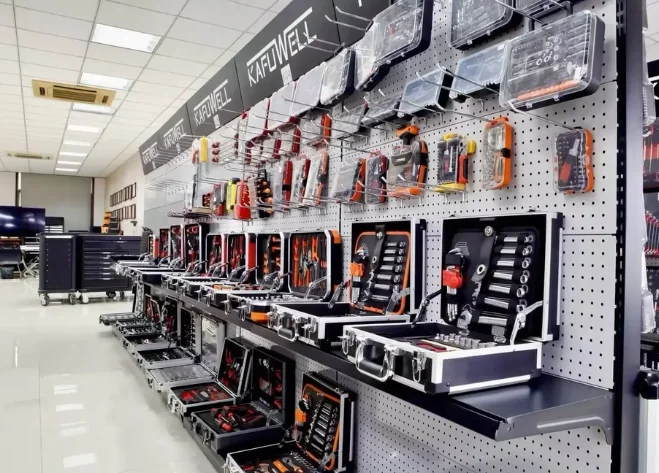
For example, Kafuwell provides one-year warranty for our power tools.
Maintenance and Longevity Considerations
Even the most powerful tool won’t last without basic care. Maintenance isn’t just a chore—it extends a tool’s life and keeps it working safely.
Here’s what to look for:
- Ease of cleaning: Tools that open up easily or have removable dust filters save you time. Built-up grime shortens any tool’s life.
- Availability of replacement parts: Before you buy, check if batteries, brushes, or bits are easy to find. Rare or pricey parts can turn a great deal into a money pit.
- User manuals and support: Clear instructions make a real difference for repairs and upkeep. The best brands offer quick-start guides, online videos, and friendly support teams.
Regular checks, like keeping blades sharp or batteries charged, prevent breakdowns. Make a habit of wiping down tools after use and storing them in dry spots. These basic steps mean your investment lasts for years, not just months.
Picking the right power tool is about knowing your needs, trusting the brand, and planning for simple maintenance. This approach turns shopping for tools into a smart, rewarding choice—one that keeps your projects moving.
Safety Tips and Best Practices
Using power tools gives you more control over projects, but it pays to stay alert and careful every time you plug one in. Mistakes can happen fast, and even veteran DIYers take a moment to check their safety steps. If you want to get jobs done while protecting yourself and your investment, following these safety guidelines is never optional. Let’s break down the basics every tool user should know.
Proper Usage and Personal Protective Equipment (PPE)
Before the first screw turns or wood chip flies, set up for safety with the right habits and gear. Rushing here can lead to accidents or injuries that are easy to avoid.
Stick to these points to stay safe:
- Read the manual for each tool, even if you think you know it. Features and safety systems can change between models.
- Wear safety glasses every time. Flying bits of wood or metal are a hazard even on simple jobs.
- Use dust masks or respirators when cutting, sanding, or working in tight areas with poor airflow.
- Protect your ears with earplugs or earmuffs, especially if the tool is loud or you’re working for a while.
- Work gloves help grip and protect your hands but skip loose or thick gloves around spinning parts.
- Don’t wear loose clothing or jewelry, and tie back long hair. Loose items can get caught in moving tools.
- Check your workspace. Clean up spills and clutter. Good lighting helps you see what you’re doing.
Consistent use of PPE doesn’t slow you down—it keeps you working smarter and longer without regrets.
Maintenance and Storage for Safety
Keeping tools clean and storing them right helps prevent breakdowns, malfunctions, and accidents. Well-cared-for gear also lasts longer and works better.
Maintenance for safety includes:
- Inspect tools before each use. Look for cracked cords, dull blades, or missing safety guards.
- Keep blades and bits sharp. Dull parts force the tool to work harder and can slip or bind, making cuts less predictable.
- Wipe down tools at the end of the day. Dust, grease, and debris can jam moving parts or hide damage.
- Oil and lubricate as recommended by the manufacturer. Running a dry tool wears out parts faster.
- Test batteries and chargers for signs of swelling or overheating. Replace old or failing batteries, and never mix brands or types.
Proper storage keeps you safe and organized:
- Store power tools in a dry, secure spot, away from children and pets.
- Hang up cords or wrap them loosely without tight loops to prevent breaks.
- Use cases or shelves to protect tools from humidity, rust, or tips and falls.
Smart maintenance is like brushing your teeth. It’s quick, easy, and pays off in the long run.
Common Mistakes to Avoid
The biggest danger with power tools is skipping the basics, either from habit or in a hurry. Many accidents happen when you trust your memory more than your eyes.
Avoid these common mistakes:
- Using the wrong tool for the job. Forcing a drill to do a saw’s work invites breakage and injury.
- Removing safety guards or disabling safety features. These are not optional. If a guard gets in the way, find another solution.
- Ignoring tool fatigue. If a tool starts sounding odd, getting hot, or acting up, stop and check it before continuing.
- Rushing through setups or skipping measurements. Careless starts can ruin projects and put your fingers at risk.
- Not unplugging tools before swapping accessories. Even a split-second slip can mean serious injury.
- Using damaged cords or batteries. Breaks, frays, or leaks are no joke—replace them or get them fixed right away.
The best work habits mix caution and confidence. Stay focused, follow safety routines, and never cut corners, no matter how small the job may seem. Taking these steps protects you, your team, and your investment in good tools.
Conclusion
If you’re looking for power tools that combine performance and safety, Kafuwell is committed to providing durable, professional-grade tools that meet industry safety standards. You can also download our product catalog to find the tools best suited to your needs.