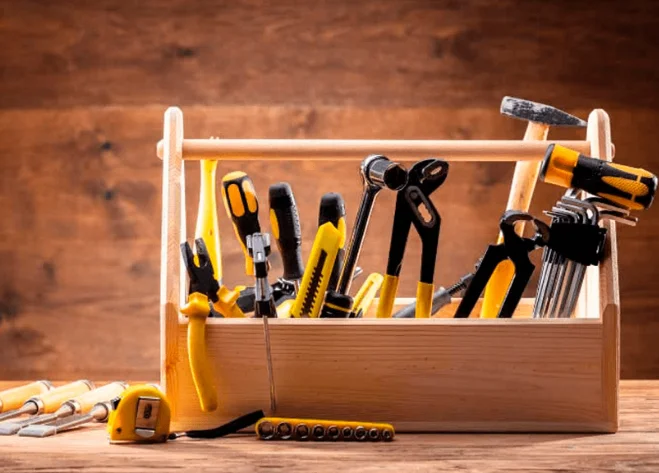
Power tools are indispensable in both professional settings and everyday DIY projects. Whether you’re tackling a home improvement task, building furniture, or working on construction, power tools help streamline and improve the accuracy of your work.
In this article, we will explore what power tools are, their different types, and how to choose the right tool for your needs. Whether you’re a DIY enthusiast or a professional tradesperson, understanding the versatility and functionality of power tools is key to improving your efficiency and achieving better results.
What Are Power Tools?
Power tools are tools that require an external power source to function. Unlike manual tools, which rely solely on human force, power tools use electricity, air pressure, or gas to perform tasks. They are typically used to speed up tasks, increase precision, and reduce the physical strain on the user. Power tools can be powered by electricity (corded or cordless), air (pneumatic tools), or gas (gas-powered tools).
These tools are widely used in construction, automotive work, home improvement, and even for hobbies like woodworking. The use of power tools allows for a more efficient and accurate outcome compared to manual labor, making them an essential part of any professional’s or DIYer’s toolkit.
How Do Power Tools Work?
Power tools operate using different mechanisms depending on their power source. Let’s break down the general operation of power tools:
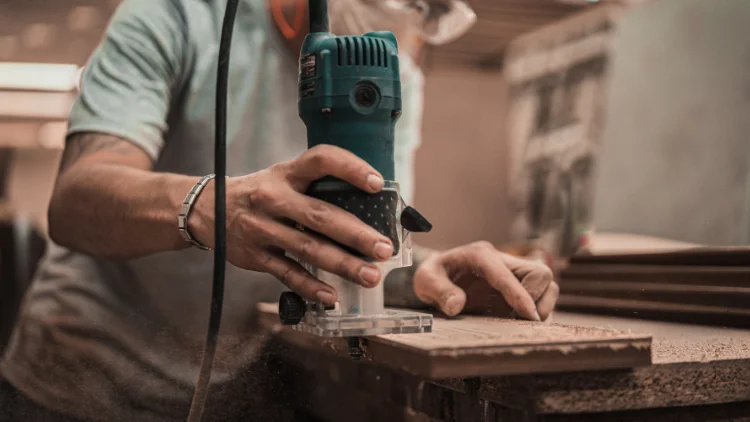
- Electric Power Tools: These tools are powered by electricity, either through a cord or battery. They convert electrical energy into mechanical energy, enabling the tool to perform tasks like drilling, cutting, or sanding. Electric power tools can be corded (requiring a direct connection to an electrical outlet) or cordless (running on rechargeable batteries), offering flexibility depending on the job.
- Pneumatic Tools: Pneumatic tools use compressed air to drive their functions. These tools are often used in industrial settings and are known for their high power and efficiency. The air pressure drives the mechanism of the tool, such as a hammer or wrench, allowing workers to apply high torque or perform heavy-duty tasks.
- Gas-Powered Tools: Gas-powered tools use gasoline or mixed fuel to generate power. These tools are usually portable, ideal for outdoor tasks like landscaping, cutting trees, or heavy-duty construction work. They offer more mobility but require fuel to operate.
In essence, power tools work by converting an energy source—whether electricity, compressed air, or gas—into mechanical power that makes tasks faster, easier, and more accurate.
Common Types of Power Tools and Their Uses
Now that we’ve covered what power tools are and how they work, let’s take a closer look at some of the most common types of power tools and their uses.
1. Electric Drills
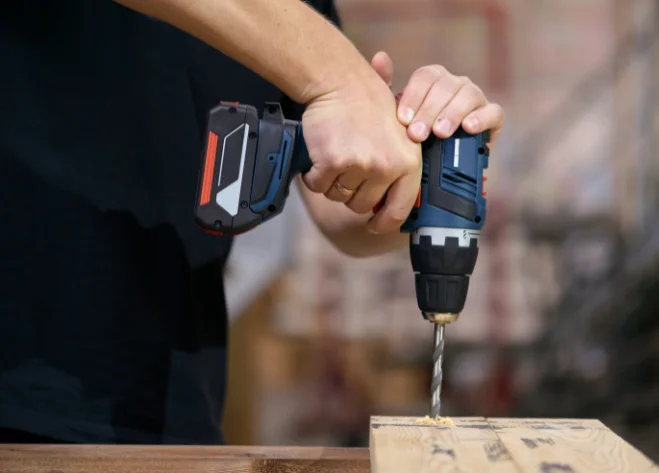
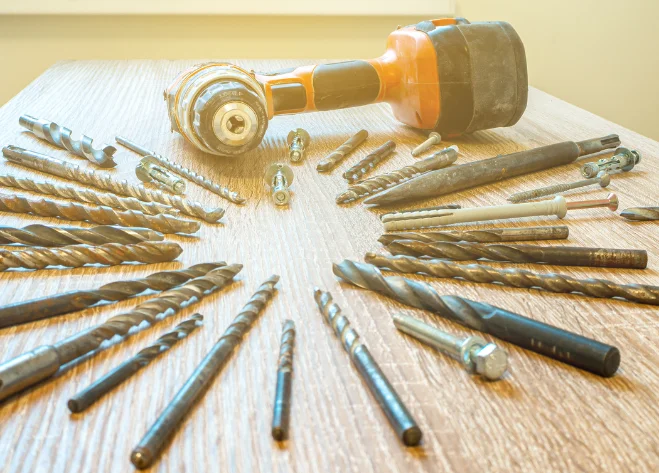
Electric drills are one of the most versatile power tools. They are commonly used for drilling holes in materials such as wood, metal, and plastic. Drills come in various sizes and types, including corded and cordless versions. Some electric drills have additional features, such as a hammer function for drilling into masonry or concrete, making them ideal for a variety of tasks.
Another common use of electric drills is for driving screws. Many drills come with interchangeable bits that can easily switch from drill bits to screw-driving bits, making them an all-in-one tool for many DIY projects.
2. Circular Saws
Circular saws are used for cutting through wood, metal, plastic, and other materials. These tools feature a circular blade that spins at high speeds, allowing the user to make straight, clean cuts. Circular saws are incredibly versatile, making them a popular choice for woodworking, home improvement, and construction projects.
Circular saws can cut through thicker materials than hand saws, and they are much faster. They come in different sizes, with larger blades designed for cutting thicker materials. Some circular saws also offer adjustments for cutting depth and angle, providing even more versatility.
3. Sanders
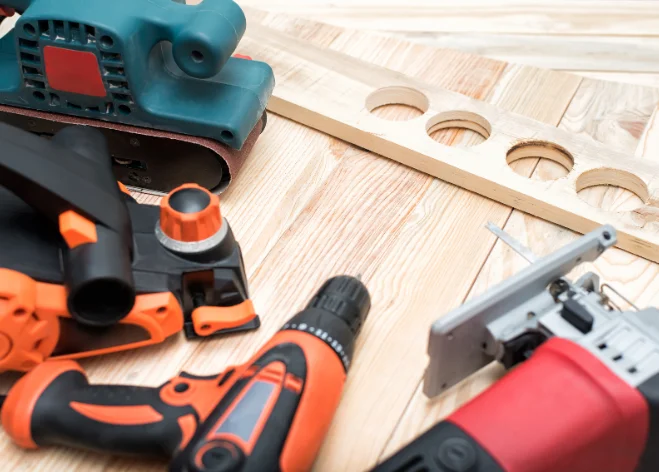
Sanders are used for smoothing rough surfaces, such as wood, metal, or plastic. They are primarily used to remove paint, varnish, or other finishes, as well as to smooth rough edges and surfaces. Sanders come in various types, such as belt sanders, orbital sanders, and random orbital sanders, each with its specific use case.
- Belt Sanders: Best for large, flat surfaces and heavy sanding work.
- Orbital Sanders: Great for finishing work and providing a smooth, fine surface.
Sanders save a significant amount of time compared to manual sanding methods, especially on larger surfaces or when dealing with tough materials.
4. Power Saws
Power saws are essential tools for cutting through wood, metal, and other materials. There are several types of power saws, including jigsaws, reciprocating saws, and miter saws, each designed for specific types of cuts.
- Jigsaws: Ideal for cutting curves and intricate shapes in wood, metal, or plastic.
- Reciprocating Saws: Often used for demolition work, cutting through wood, pipes, and even metal.
- Miter Saws: Used for making precise angled cuts, perfect for carpentry projects like molding or framing.
Power saws increase cutting speed and accuracy, especially for those working on large-scale projects that require precision.
5. Impact Wrenches
Impact wrenches are essential tools for loosening and tightening bolts and nuts with high torque. These tools are often used in automotive repairs, construction, and other industrial settings. Unlike regular wrenches, which rely on manual force, impact wrenches use a combination of rotational force and concussive blows to drive bolts into place or remove them quickly.
Cordless impact wrenches are highly portable and are ideal for tasks where power outlets may not be available. These tools are especially useful when working with heavy-duty bolts, such as those found on car tires or machinery.
6. Electric Screwdrivers
Electric screwdrivers are designed for driving screws efficiently and with minimal effort. These tools are especially useful for assembly work, such as putting together furniture, installing light fixtures, or working on DIY projects. They save time compared to manual screwdrivers and are much more comfortable for large-scale tasks.
Electric screwdrivers often come with multiple speed settings and torque adjustments, allowing users to control the force applied, which is particularly important when working with delicate materials or smaller screws. They can also be cordless for more flexibility, offering convenience and ease of use.
Power Tool Power Sources
When selecting a power tool, understanding its power source is critical. Power tools are typically powered by one of four main sources: electricity (corded or cordless), compressed air, or gas. Here’s a breakdown of each type:
Corded Power Tools
Corded power tools rely on a direct connection to an electrical outlet to operate. These tools are typically more powerful and can run for long periods without needing to be recharged. They are ideal for continuous tasks, such as heavy-duty cutting or sanding. The downside is that they limit your mobility, as you’ll always need to be close to an electrical outlet.
Cordless Power Tools
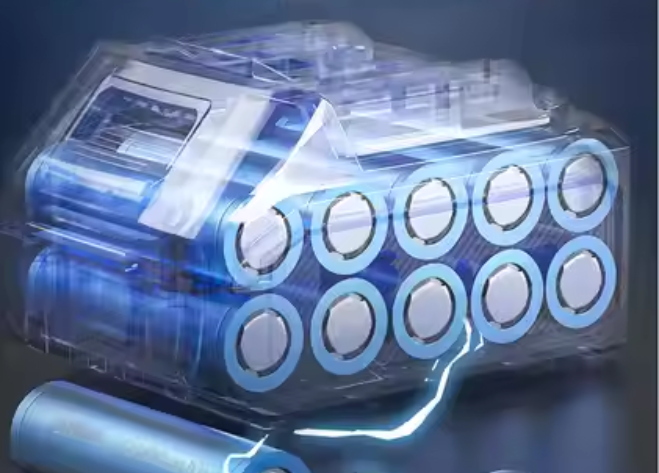
Cordless power tools are powered by rechargeable batteries, offering greater portability and flexibility. These tools are ideal for smaller tasks and projects that require mobility, such as working in different areas of a home or garden. While cordless tools may not offer the same power as corded ones, advancements in battery technology have made them more efficient and longer-lasting than ever before.
Pneumatic Tools
Pneumatic tools, also known as air-powered tools, operate using compressed air. These tools are commonly found in industrial settings and are known for their high efficiency and power. Pneumatic tools are often lighter than their electric counterparts and offer more durability for long-term use. They are particularly useful for tasks that require a lot of torque, such as automotive repairs or construction work.
Gas-Powered Tools
Gas-powered tools are fueled by gasoline or a gas/oil mix. These tools are highly portable and are designed for heavy-duty tasks that require high power, such as outdoor work, landscaping, or construction. Since they don’t rely on electrical outlets or compressed air, gas-powered tools are perfect for use in outdoor environments or places where other power sources may be unavailable.
How to Choose the Right Power Tool for Your Needs
Selecting the right power tool for a project is essential for ensuring efficiency, safety, and achieving the best results. Here’s a guide on how to choose the best tool for your task:
Choosing Based on Job Type
- Home Improvement: If you’re working on DIY projects like installing shelves, assembling furniture, or drilling holes, tools like electric drills, electric screwdrivers, and orbital sanders are essential. These tools are versatile and can handle a variety of tasks around the house.
- Construction: For larger projects, such as building structures or framing, power saws (e.g., circular saws, miter saws) and impact wrenches are crucial. These tools will help you make precise cuts and secure components together quickly.
- Automotive Repairs: If you’re working on cars, an impact wrench and pneumatic tools are invaluable for tightening and loosening heavy-duty bolts.
Beginner-Friendly Tools
For beginners, it’s important to start with tools that are easy to use and versatile. Here are some great options:
- Electric Drill: Perfect for drilling holes and driving screws. It’s a must-have for anyone starting with DIY projects.
- Orbital Sander: If you plan to work with wood, this tool is ideal for achieving a smooth surface.
- Cordless Screwdriver: For tasks like assembling furniture or hanging pictures, this is a simple, lightweight tool that doesn’t require a lot of experience to use.
Budget Considerations
Power tools come in a wide range of prices, and it’s important to find one that fits your budget while still offering quality and durability. If you’re on a tight budget, consider purchasing essential tools like an electric drill, sander, and screwdriver. However, investing in higher-quality tools can save you money in the long run, as they tend to last longer and perform better.
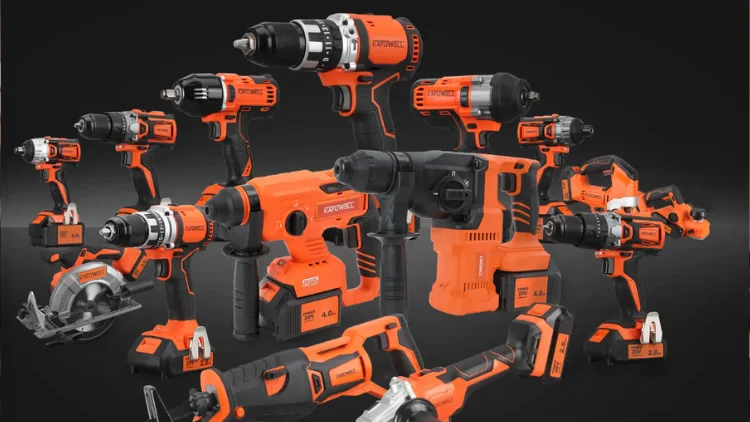
Power Tool Maintenance and Safety Tips
Proper maintenance and safe usage are essential for keeping your power tools in good condition and ensuring your safety while working.
Safety Tips
- Always wear the appropriate protective gear, such as safety goggles, gloves, and ear protection.
- Read and follow the manufacturer’s safety instructions before using a tool.
- Make sure to secure your workpiece to avoid accidents.
Maintenance Tips
- Clean your power tools after each use to remove dust and debris.
- Inspect tools regularly for any signs of wear and tear, and replace parts as needed.
- Lubricate moving parts to prevent friction and ensure smooth operation.
Advantages and Limitations of Power Tools
Power tools offer significant benefits but also come with certain limitations. Understanding both sides will help you make more informed decisions when selecting and using these tools.
Advantages of Power Tools
Increased Efficiency
One of the main advantages of power tools is their ability to drastically increase the speed and efficiency of tasks. Instead of relying on manual labor, which can be slow and tiring, power tools allow you to complete projects in a fraction of the time.
Improved Precision
Power tools allow for more precise and accurate work compared to manual tools. For instance, when using a circular saw or miter saw, the tool’s precision ensures straight, even cuts, reducing the need for additional adjustments later on.
Greater Power and Versatility
Power tools can handle more demanding tasks that would be difficult or impossible to do manually. Tools like impact wrenches and pneumatic drills provide the necessary torque for heavy-duty jobs such as automotive repairs or construction work. Additionally, power tools like electric drills and sanders can be used for a wide variety of tasks, making them versatile tools for any project.
Ease of Use
Power tools are generally easier to use than manual tools, especially for those with less experience. For example, an electric screwdriver requires less effort and provides greater speed than using a traditional manual screwdriver, making it ideal for repetitive tasks.
Limitations of Power Tools
Dependence on Power Sources
One of the most obvious limitations of power tools is their dependence on power sources. Corded tools require access to an electrical outlet, which can limit your mobility during certain tasks. Although cordless tools are portable, their batteries can run out, requiring recharging before you can continue working.
Weight and Size
Power tools can be heavier and bulkier than manual tools, making them less ideal for certain delicate or intricate tasks. For extended use, the weight of a power tool can cause fatigue or strain on your arms and back, especially if you’re not used to handling heavy equipment.
Cost
While power tools can save time and effort, they are often more expensive than manual tools. For beginners or those on a budget, the cost of purchasing a full set of high-quality power tools may be prohibitive. However, investing in quality tools can be cost-effective in the long run, as they tend to last longer and provide better performance.
Maintenance and Repair
Power tools require regular maintenance to ensure they function properly. If they break down, repairs can be costly and sometimes complex, especially for more advanced tools. Proper care and storage are essential for prolonging the life of power tools.
Conclusion: The Importance of Power Tools in Modern Work
Power tools have become essential in both professional and DIY environments. From speeding up tasks to providing more precise and accurate results, these tools are invaluable for anyone working on construction projects, home improvements, or hobbies like woodworking.
Now is the perfect time to upgrade your equipment and optimize your workflow. Explore our range of electric tools today and experience exceptional power and long-lasting performance!
Kafuwell offers customers one-stop procurement services, after-sales support, and technical training to help your projects achieve efficient implementation and sustainable growth.
Frequently Asked Questions (FAQ)
1. How can I extend the life of my power tools?
To extend the life of your power tools, always clean them after use to remove dust and debris. Regularly inspect tools for any signs of wear and tear and replace parts as needed. Lubricating moving parts and storing tools in a dry, safe location will also prevent unnecessary damage.
2. What is the difference between cordless and corded power tools?
Corded power tools offer continuous power and are ideal for longer tasks, but they limit mobility because they need to be plugged into an electrical outlet. Cordless power tools, on the other hand, provide greater mobility and are perfect for tasks that require portability. However, they are dependent on battery life, and may not offer as much power as their corded counterparts.
3. What power tools should a beginner buy?
For beginners, essential tools include a cordless drill, an electric screwdriver, and an orbital sander. These tools are versatile, easy to use, and ideal for a wide range of DIY projects, from assembling furniture to home repairs and woodworking.
4. Are gas-powered tools better than electric tools?
Gas-powered tools are more powerful and ideal for heavy-duty outdoor work or when mobility is required. However, they are noisier, require more maintenance, and are less environmentally friendly compared to electric tools. Electric tools are quieter, more energy-efficient, and suitable for most indoor projects.