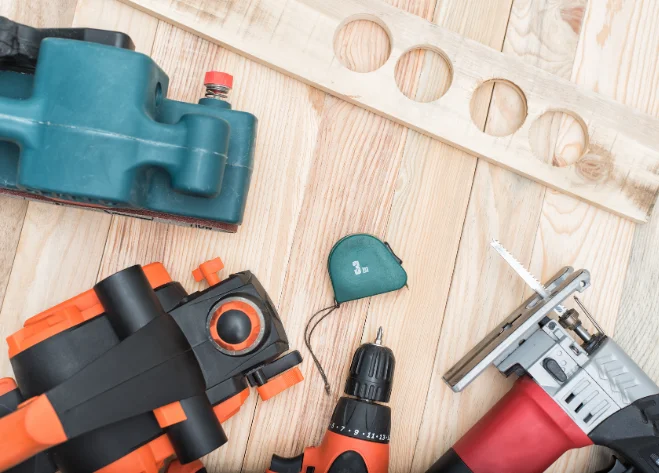
Cordless power tool batteries have changed how people work on job sites and at home. They drive drills, saws, and other handheld tools with reliable performance and mobility. A tool’s battery affects runtime, weight, and even output speed, so understanding battery types and ratings can help you select the right gear and get more work done.
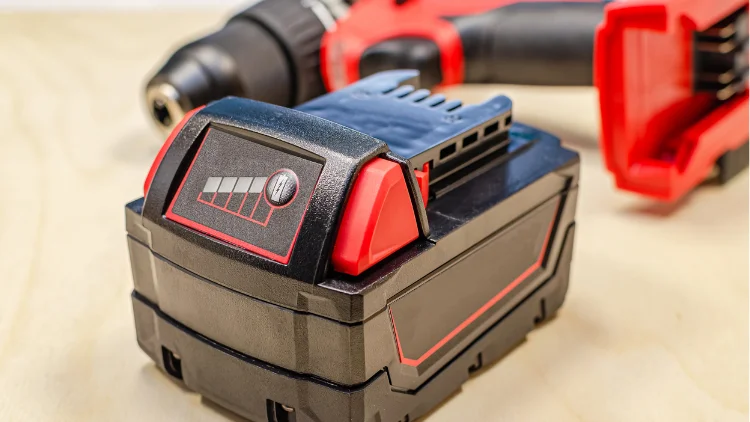
Common Battery Types for Cordless Tools
Choosing the right battery type can shape the performance, runtime, and convenience of any cordless power tool. Each design—Nickel-Cadmium, Nickel-Metal Hydride, and Lithium-Ion—delivers specific benefits and drawbacks. Understanding these battery technologies helps builders, mechanics, and hobbyists get better value from their tools.
Nickel-Cadmium (NiCd) Batteries
Nickel-Cadmium batteries used to be everywhere in the cordless tool world. They feature a sturdy build and can withstand heat and repeated charging cycles. Many users relied on NiCd packs for years.
Key strengths:
- Long lifespan if properly maintained (can handle hundreds of charge cycles)
- Handles deep discharges without losing much capacity
- Affordable and widely available for replacements, especially in older tools
Drawbacks to consider:
- Heavy and bulky: NiCd adds significant weight to tools.
- Memory effect: Over time, repeated partial discharges may reduce capacity unless fully cycled.
- Environmental hazard: Cadmium is a toxic heavy metal, making disposal and recycling tricky.
Best for: Users who depend on durability and lower costs, often with older cordless tools that still use NiCd as the standard.
Nickel-Metal Hydride (NiMH) Batteries
Nickel-Metal Hydride batteries came after NiCd, offering a boost in energy storage with fewer environmental problems. NiMH packs give more capacity in the same physical space and are less sensitive to memory effect issues.
Core benefits:
- More energy density: Packs more power into a smaller, lighter battery than NiCd.
- Reduced memory effect: Loses less capacity over time, with fewer restrictions on charging habits.
- Less toxic: Easier to recycle, with no cadmium.
- Moderate charge speed: NiMH batteries typically recharge in 1 to 3 hours.
Limitations:
- Shorter shelf life: Tends to self-discharge faster than both NiCd and Li-ion batteries.
- Sensitive to temperature: Performs poorly in the cold and can overheat if charged too rapidly.
- Still heavier and bulkier than the latest battery technology.
Best for: Those wanting moderate cost and performance improvement over NiCd and using tools from brands that offered NiMH as an upgrade.
Lithium-Ion (Li-ion) Batteries
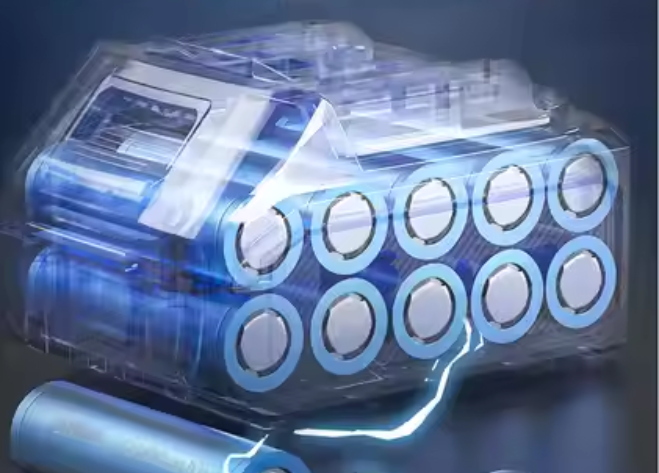
Lithium-Ion batteries are the standard for cordless tools today. Most new drills, saws, and impact drivers ship with high-capacity Li-ion packs.
What sets Li-ion apart:
- Lightweight and compact: Tools run longer and weigh less, making them easier to handle for long tasks.
- No memory effect: Users can recharge at any point without hurting total battery life.
- Higher voltage and high output: Supplies strong, consistent power even when battery charge is low.
- Low self-discharge: Holds charge for months while in storage.
- Longest lifespan: Delivers 300–1,000+ charge cycles, often lasting 2–5 years or more with normal use.
- Fastest charging: Li-ion batteries can typically reach full charge in 30 to 60 minutes on a rapid charger.
- Longest runtime: With the same amp-hour (Ah) rating, lithium-ion (Li-ion) batteries typically provide 30% to 50% longer runtime than nickel-cadmium (NiCd) or nickel-metal hydride (NiMH) batteries
Points to watch:
- Cost: Li-ion packs are more expensive up front.
- Sensitive to heat: Can fail if exposed to high temps or physical damage.
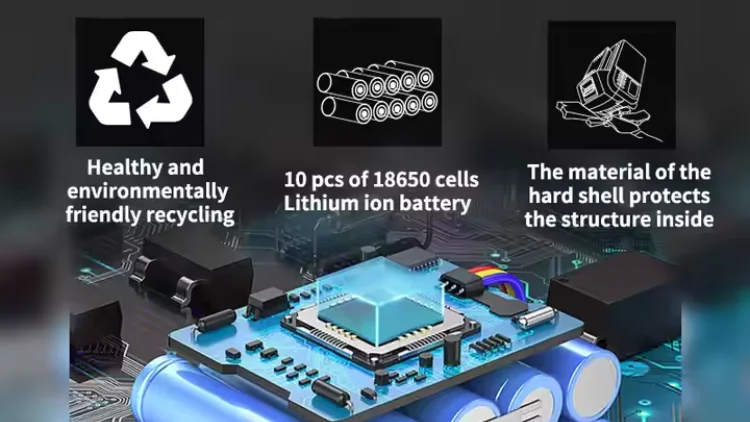
- Needs protection circuits: Each pack requires electronics to prevent overcharging or excessive drain.
Best for: Pros and serious DIYers who need top-tier performance, lighter weight, and reliability for daily tool use.
Summary Table: Cordless Tool Battery Comparison
| Battery Type | Energy Density | Weight | Memory Effect | Environmental Impact | Self-Discharge | Common Use Cases |
| NiCd | Moderate | Heaviest | Yes | Hazardous byproduct | Low | Legacy tools, budget |
| NiMH | Higher | Heavy | Low | Less toxic, recyclable | Higher | Upgraded old tools |
| Li-ion | Highest | Lightest | None | Least damaging | Very low | Modern all-purpose |
Picking the right battery chemistry mostly comes down to your tool’s requirements, how often you use it, and your expectations for runtime and weight.
Key Features To Consider When Choosing Batteries
Selecting the right cordless power tool battery means looking beyond chemistry and brand. Several technical features influence how a battery feels in your hand and how it supports work all day. The following sections break down core terms and specs to watch for as you shop.
Battery Capacity and Voltage Explained
Battery capacity shows how much energy a battery can hold. Tool batteries often display this number as amp-hours (Ah). A higher Ah rating means more stored energy and typically longer run times between charges. For instance, a 5.0Ah battery can run a tool longer than a 2.0Ah version, assuming both use the same voltage.
Voltage tells you the push or pressure of electrical power the battery delivers to the tool. Most cordless tool batteries fall in the 12V to 60V range. High-voltage batteries (18V, 20V, and above) output more power, which can help drive tough jobs. However, not every task calls for maximum voltage—light jobs do fine with lower values.
Here’s how these numbers matter:
- Amp-hour (Ah) rating: Higher equals more work per full charge.
- Voltage (V): Higher voltage delivers more torque and speed.
- Total energy (Wh): Some brands list watt-hours, which combine amp-hour and voltage (Wh = Ah x V).
Choosing the right combo of capacity and voltage balances power, weight, and runtime.
Weight, Size, and Ergonomics
Battery specs are not just numbers—they shape the physical experience. A high-capacity battery often adds weight. This matters when working overhead or in tight spaces.
Key things to consider:
- Battery weight: Heavy batteries put strain on wrists and shoulders over time.
- Size and shape: Bulky packs can block line-of-sight or make a tool bulky.
- Ergonomics: The right battery feels like a natural part of the tool, not an obstacle.
Some brands offer compact batteries that trade off some runtime for lighter weight and better handling. If you work long hours or often use tools above shoulder height, lighter packs can help reduce fatigue.
Charging Time and Compatibility
Fast charging limits downtime, but speed shouldn’t come at the expense of battery life. The best chargers balance safe speeds with a full charge.
Important charging features:
- Charge time: Stated in minutes or hours for a full recharge. Fast chargers restore power quickly but can generate heat.
- Smart charging: Some chargers use microprocessors to monitor heat and voltage for safety.
- Compatibility: Not all batteries fit every charger or tool. Sticking to the same brand platform ensures fit and optimal charging.
- Dual-voltage support: Some brands design batteries and chargers to work across voltage ranges, helping you swap easily between tools.
Matching batteries and chargers matters for performance and long-term care. Using the correct pair lowers risk of overheating or early battery wear.
What you choose can speed up your workday or leave you waiting for a charge. Quality always pays off with ease of use and reliable results.
Battery Performance and Maintenance Tips
Cordless tool batteries are a major investment. If you want consistent performance over time, careful maintenance is non-negotiable. Batteries are sensitive to how they’re charged, used, and stored. With the right care, you can extend their usable life and avoid the frustration of tools that fade out mid-task. Let’s look at proven routines to keep your power tool batteries lasting longer and running stronger.
Proper Charging and Storage Practices
Properly charging and storing your batteries shields them from early failure. Even high-quality Lithium-Ion packs need steady routines to keep their peak output.
Follow these steps for everyday care:
- Charge at room temperature: Batteries charge best and safest in a moderate climate (about 50°F to 80°F). Charging in a hot garage or freezing shed can wear them down and, in rare cases, cause failure.
- Use the correct charger: Only use the manufacturer’s specified charger. Off-brand chargers may overheat packs or disrupt built-in safety circuits.
- Remove after full charge: Once a battery is charged, take it off the charger. Leaving a battery connected for long periods can trigger cycles of trickle charging, especially with older models, which wears out cells.
- Don’t drain to empty: Try not to run batteries completely flat, especially with Li-ion packs. Deep discharges strain the battery and reduce total charge cycles.
- Store with partial charge: For long-term storage (over a month), lithium-ion batteries are happiest at about 50% charge. NiCd and NiMH batteries can be stored fully charged. This balances self-discharge and internal wear.
- Keep dry and cool: Moisture causes corrosion in battery contacts, and excess heat degrades cells. Store batteries in a dry, cool spot away from direct sunlight and extreme temperatures.
- Clean contacts: Check and wipe down the metal terminals with a dry cloth. Dust, rust, or oil can interrupt a solid connection.
These quick routines prevent most issues and help batteries deliver steady performance season after season.
Signs of a Failing Battery
Even with the best maintenance, every battery has a limited number of cycles. Knowing when a pack is beyond its prime saves wasted effort and time troubleshooting.
Common signs that a cordless tool battery may be on the way out:
- Shorter runtime: If a tool that once lasted hours now cuts off in minutes, battery health has dropped.
- Takes longer to charge or won’t fully charge: Batteries that get stuck on the charger, never topping up or taking too long, are likely weakening.
- Unusual heat: Overheating during use or charging points to internal cell damage or short circuits.
- Physical changes: Bulging, leaking, or odd smells are safety hazards. Dispose of these batteries immediately.
- Loss of power: Intermittent or weak tool output, even after full charge, signals failing cells or worn-out internal connections.
Replace batteries showing these signs. Tools work best with healthy power sources. By catching early warnings, you avoid damage to your equipment and stay safe while working.
Paying attention to these signals and adopting the right care habits will help you get the most work out of every battery pack you own.
Safety and Environmental Considerations
Cordless power tool batteries pack energy in a small space, making them both powerful and potentially hazardous. Proper use, storage, and disposal reduce the risk of injuries and protect the environment. Safe handling keeps worksites hazard-free and stops harmful chemicals from contaminating landfills.
Safe Battery Use and Handling
Safe battery use starts with everyday habits:
- Check for physical damage before using or charging. Cracks, leaks, or bulging mean the battery is unsafe.
- Keep batteries dry and clean. Moisture and dirt on contacts can lead to short circuits.
- Do not mix battery brands, types, or capacities within one tool. Mismatched packs can cause overheating or internal faults.
- Charge batteries away from flammable materials. Always use the charger specified by the tool’s maker.
- Allow overheated batteries to cool. If a battery feels hot after use or charging, let it reach room temperature before touching or moving it.
- Avoid dropping batteries. Rough impacts may damage the internal structure, increasing the chance of leaks or failure.
- Never try to open or puncture a battery pack. These units hold toxic chemicals and pressurized contents.
- Store batteries in a secure, dry area. Keep them away from metal tools or loose hardware to prevent accidental contact or shorting.
- If you notice any unusual smells, smoke, or noise during use or charging, stop immediately. Remove the battery from the tool or charger if safe, using insulated gloves if necessary.
By following these technical safety basics, you lower fire and injury risks and extend battery life.
Disposal and Recycling
Batteries used in cordless power tools contain chemicals and metals that do not belong in household trash. Proper disposal protects people and local ecosystems.
- Never toss batteries in the garbage. Most contain nickel, lithium, or other heavy metals that pollute soil and groundwater.
- Use local recycling programs designed for batteries. Many hardware stores, recycling centers, and tool retailers accept old batteries, especially lithium-ion and nickel-cadmium types.
- Tape or insulate battery terminals before drop-off. Covering the metal terminals prevents accidental short circuits or sparks in transport.
- Store spent batteries in a safe, labeled container until you can bring them to a recycling point.
- Follow local laws for hazardous waste. Some states or cities have rules on battery collection and handling.
Safe battery disposal is not just a best practice, it is required in many areas to keep communities safe and reduce toxic waste. Recycling recovers valuable metals and keeps harmful ingredients out of landfills, supporting a cleaner environment and safer neighborhoods.
Frequently Asked Questions
1. What is battery memory effect and how does it affect battery life?
Battery memory effect occurs in Nickel-Cadmium (NiCd) and some Nickel-Metal Hydride (NiMH) batteries when they are recharged before being fully discharged. This reduces the battery’s capacity, meaning it can provide shorter usage times. To prevent memory effect, it’s best to fully discharge the battery before recharging, especially with NiCd batteries.
2. Can I use a battery from one brand in another brand’s tool?
Generally, batteries are only compatible with specific brands or tools from the same brand. Different brands may have variations in battery shape, connectors, voltage, etc., so it is not recommended to mix them. If you want multiple tools to use the same battery, it’s a good idea to choose tools that support “platform compatibility,” such as Kafuwell’s Power Tool Battery System.
3. How should I store power tool batteries in winter?
In cold temperatures, batteries can lose capacity and deteriorate. To store your battery safely, keep it in a dry, cool, and moderately warm place. Ideally, charge the battery to 40%-60% before storing it, and avoid exposing it to extreme cold or heat, which can cause long-term damage.
4. Should I buy one high-capacity battery or two standard-capacity batteries?
If you need longer usage time, buying a high-capacity battery (e.g., 5.0Ah) will extend your tool’s runtime. However, for more flexible use or switching between tools, having two standard-capacity batteries (like 2.0Ah or 3.0Ah) may be more practical. This way, you can use one battery while the other charges, ensuring less downtime.
Conclusion
Understanding the characteristics of different batteries, along with proper maintenance and safety practices, can help you work more efficiently on every project and extend the lifespan of your tools.