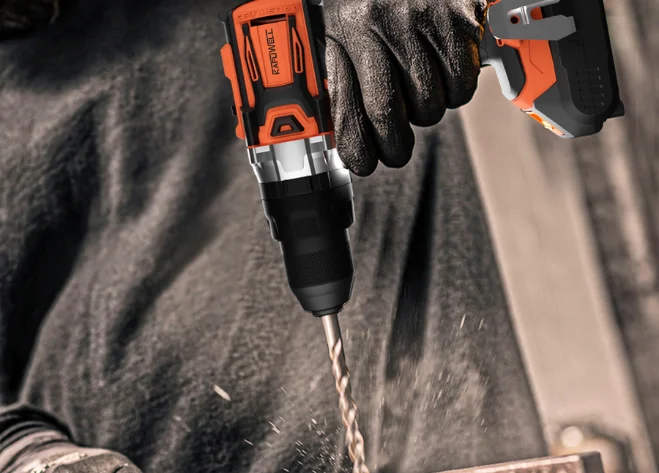
Although most tools today are dominated by cordless electric models, many people might think pneumatic tools are outdated. However, pneumatic tools still have their unique advantages. Choosing the right tool can make a big difference in performance, ease of use, and cost-effectiveness.
In this article, we’ll dive into the key differences between electric and pneumatic tools, helping you choose the one that best fits your needs.
What Are Electric Tools?
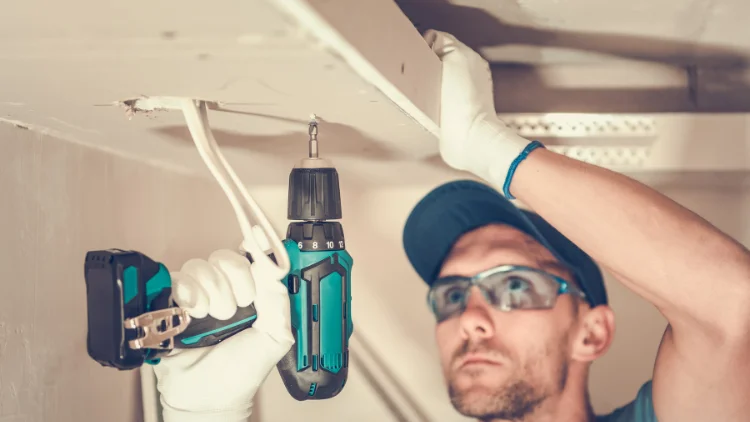
Electric tools are powered by electricity, typically via a battery or a power cord. They are among the most commonly used tools in both professional and residential settings, offering a wide range of options for almost any project.
- Common Electric Tools:
- Cordless drills
- Saws (e.g., circular saws, jigsaws)
- Grinders
- Impact wrenches
Key Advantages of Electric Tools
Electric tools are often chosen for their convenience and versatility. Here are a few reasons why they’re so popular:
- Portability: Many electric tools are available in cordless options, allowing you to work in areas without easy access to power outlets. This makes them ideal for mobile work or outdoor tasks.
- Convenience: Electric tools are generally simple to use and don’t require much setup. Just plug in or charge, and you’re ready to go. For battery-powered tools, the ability to recharge the batteries adds to the convenience.
- Wide Range of Applications: Whether you’re building furniture, working on home repairs, or doing a DIY project, there’s likely an electric tool designed for your task. They’re perfect for light to medium-duty work, making them suitable for most household needs.
What Are Pneumatic Tools?
Pneumatic tools are powered by compressed air from an air compressor. These tools are widely used in industrial, automotive, and construction settings where high power is required. Pneumatic tools are typically lighter and can handle intense workloads that electric tools might struggle with.
- Common Pneumatic Tools:
- Air impact wrenches
- Nail guns
- Pneumatic drills
- Air sanders
Key Advantages of Pneumatic Tools
Pneumatic tools are well-known for their durability and ability to handle tough tasks. Here are some key benefits:
- Power and Efficiency: Pneumatic tools are incredibly powerful, making them ideal for heavy-duty applications like construction or auto repair. Their high torque and consistent power make them a great choice for tasks requiring high strength, like tightening bolts or removing fasteners in industrial settings.
- Lightweight Design: Despite their power, pneumatic tools are often lighter than their electric counterparts. This makes them more comfortable to use for extended periods without straining the user’s arms and hands.
- Durability: Pneumatic tools are typically more durable in the long run, particularly in environments that require constant heavy use. They are built to withstand tough conditions and are less likely to overheat compared to electric tools.
Key Differences Between Electric and Pneumatic Tools
Understanding the key differences between electric and pneumatic tools will help you make a more informed decision based on your specific needs. Let’s compare the two in several important categories:
Energy Consumption and Efficiency
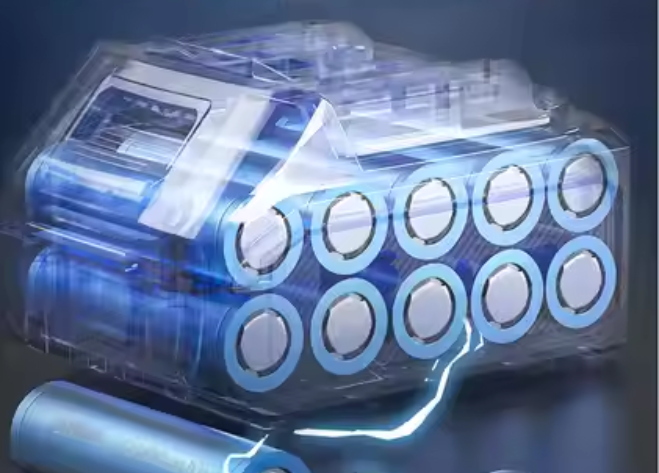
Power tools can either be plugged into an outlet or powered by rechargeable batteries. Cordless electric tools, in particular, have become highly popular due to advancements in lithium battery technology, which allows for fast charging and easy battery replacement. These improvements have effectively addressed the limitations of earlier cordless tools.
In terms of energy consumption, electric tools are generally more efficient. They can save up to 80% in energy compared to pneumatic tools. Cordless tools, especially, are energy-efficient due to their advanced battery management systems, which optimize power use and prevent overcharging or deep discharges, thus extending battery life and reducing energy waste.
Pneumatic tools, on the other hand, rely on an external air compressor to generate the compressed air needed to power the tool. While the compressor provides a continuous supply of air, it also consumes a significant amount of energy to generate the required pressure, resulting in higher overall energy consumption compared to electric tools.
Learn more: Do Power Tools Use a Lot of Electricity?
Performance and Power
In terms of power, pneumatic tools are generally stronger and provide more stable power output, making them better suited for high-power tasks such as removing heavy fasteners. However, with advancements in motor technology, high-end cordless electric tools are now capable of achieving power levels comparable to pneumatic tools. Additionally, electric tools offer more precise control, making them ideal for tasks that require high accuracy.
Portability and Convenience
Cordless electric tools excel in portability and convenience. They are lightweight and easy to carry, making them ideal for jobs that require mobility. On the other hand, pneumatic tools, along with their bulky air compressors and accessories, tend to be heavier and are better suited for stationary work, limiting their flexibility.
Maintenance and Durability
Electric tools generally require less maintenance compared to pneumatic tools. While they may need occasional cleaning and part replacements (such as batteries or motor brushes), they are overall easier to maintain. Pneumatic tools, however, require more frequent maintenance due to their exposure to high-pressure air, moisture, and vibrations, which cause quicker wear. Seals, gaskets, and bearings degrade over time, and the air compressor itself requires regular maintenance and inspection.
Noise Levels
Pneumatic tools tend to produce more noise, primarily from the air compressor and internal mechanical components. Although the compressor can be placed in a separate room to minimize noise, this requires additional space. In contrast, many electric tools use brushless motors, which reduce mechanical noise by eliminating brushes and commutators, making them quieter during operation.
Cost
When comparing costs, electric tools, especially cordless models, typically require a higher initial investment. However, this doesn’t include the cost of an air compressor, which is generally more expensive than a power tool alone. Additionally, pneumatic tools require extra accessories, such as hoses, air filters, and regulators, which can further increase the total cost of ownership.
When to Choose Electric Tools
Here are the situations where electric tools are ideal:
- Small to medium-sized tasks
- Indoor tasks (e.g., inside a cockpit)
- Small engine compartment work
- Outdoor tasks and jobs requiring frequent relocation
- Home installation and DIY projects
- Tasks requiring precise, repeatable torque
When to Choose Pneumatic Tools
Here are the situations where pneumatic tools are ideal:
- Loosening stubborn bolts and nuts
- Tasks that require long-lasting, stable power and high torque output
- Heavy-duty tasks where precision is not a primary concern
- Jobs that require a fixed workspace, such as factory workshops and auto repair shops

Conclusion
Without an air compressor, electric tools are the best choice as they can handle most daily tasks without the need for additional investment or complex setup. With their high convenience, ease of use, and low maintenance costs, electric tools are ideal for homeowners, DIY enthusiasts, and professionals who need flexibility.
If you’re looking for the right tools for your needs, feel free to explore Kafuwell’s range of electric tools and find the perfect fit for your projects.