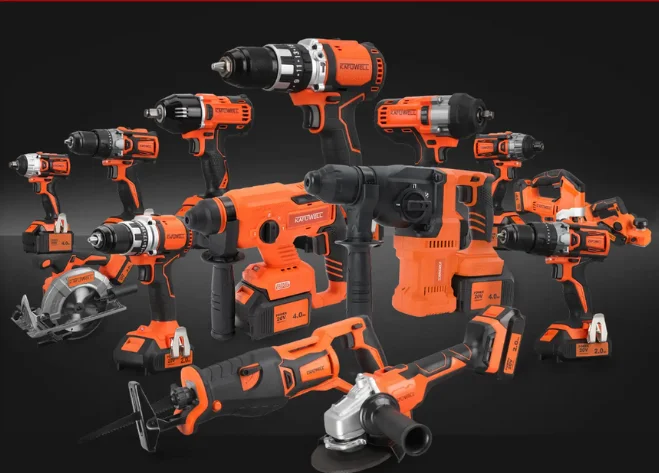
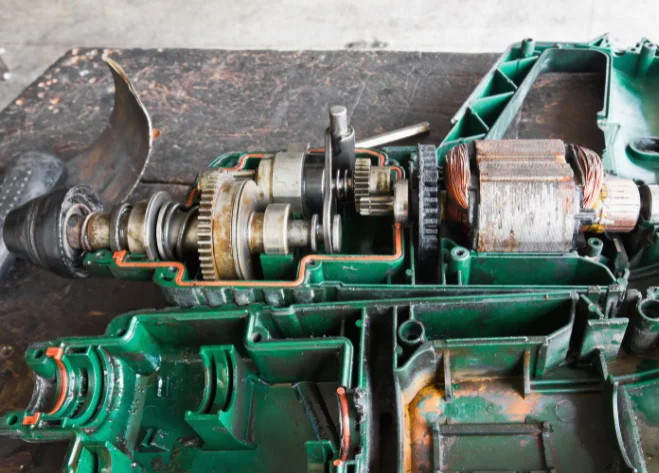
Power tools are indispensable helpers in the daily work of many domestic and professional workers. Whether it’s a drill, angle grinder or electric screwdriver, their high performance helps us complete tasks more easily. However, if power tools are not stored properly, it will not only affect their service life, but may also lead to safety hazards. Therefore, it is essential to store power tools properly.
This article will provide you with a series of practical storage suggestions to help extend the service life of your tools, keep them in good working condition, and ensure that your storage space is tidy and organized.
Why Proper Storage of Power Tools is Crucial
Prevent tools from rusting and corroding. Power tools are made up of metal parts and electronic components. If they are exposed to damp conditions for a long time, they are likely to rust and corrode, which will affect their performance and safety.
Avoid battery loss and safety risks. For power tools with rechargeable batteries, improper storage for a long time may cause over-discharge, damage or even leakage of the battery, which may lead to risks such as fire.
Improve safety. If power tools are not stored properly, they may cause injury due to accidental activation or being crushed by other heavy objects or scratches. Proper storage can effectively avoid these risks.
Basic Storage Tips
Clean the Power Tools
Before storing power tools, it is essential to ensure they are thoroughly cleaned. Whether it’s a drill, saw, or other power tool, dust, stains, and grease can impact their performance and lifespan.
Cleaning Steps:
- Remove Dust: Use a soft brush or compressed air to clean the dust and debris from the tool’s surface, preventing it from entering the internal components, which could affect the motor or circuits.
- Wipe the Tool Shell: Use a damp cloth to wipe the tool’s exterior to remove grease or sticky dirt. Avoid directly washing power tools with water to prevent moisture from entering internal parts.
- Clean Battery Contacts: If the battery contacts are dirty or oxidized, it can affect the battery’s performance. Use a clean cloth to wipe the contacts to ensure the battery can charge and discharge properly.
Read more: How to Clean Power Tools
Remove the Battery
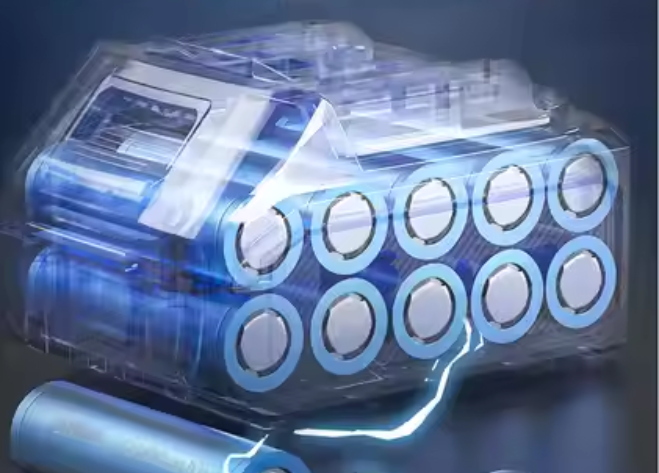
If your power tools use rechargeable batteries (such as lithium batteries), always remove the battery after use and store it separately. Batteries naturally discharge over time, which can reduce their capacity or cause damage. To extend battery life, follow these steps:
- Check the Battery Regularly: Even if you’re not using the tool, check the battery once a month to keep its charge within the recommended range (usually 50%-75%) to avoid deep discharge.
- Store in a Dry Place: Store batteries in a dry, warm environment and avoid exposing them to high or low temperatures that could damage them.
Keep Tools Dry
Moisture is a major enemy of power tools. When exposed to a damp environment for prolonged periods, power tools may rust, particularly the metal components. To prevent moisture damage, take the following measures:
- Use a Dehumidifier: In the storage area, use a dehumidifier or desiccant to absorb moisture from the air.
- Avoid Outdoor Storage: Never leave power tools exposed to humidity or rain for extended periods. Ensure the storage area is dry and well-ventilated.
Storage Environment and Conditions
Choosing the right storage environment is key to protecting power tools. A good storage environment not only prevents moisture and dust accumulation but also minimizes the risk of tool damage.
- Good Ventilation: Proper ventilation helps prevent moisture buildup that can cause rust. Make sure the storage space has adequate airflow.
- Avoid Direct Sunlight: Exposing power tools to sunlight can cause plastic parts to degrade and even affect tool performance. Store tools in a place away from direct sunlight.
- Optimal Temperature: Ensure the storage environment is at a moderate temperature, avoiding extreme temperatures that could damage the tools.
Storage Equipment and Methods
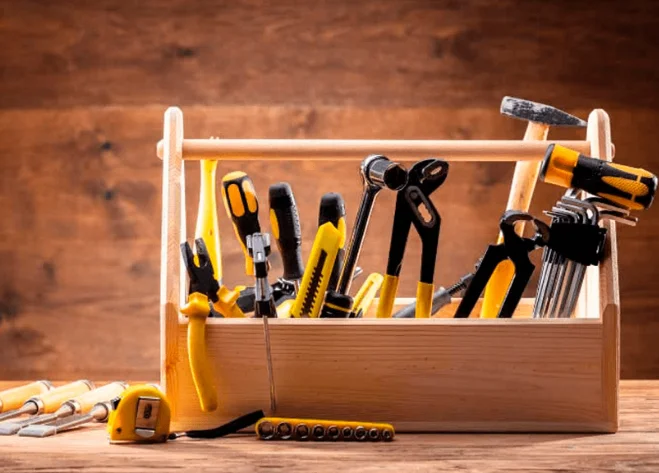
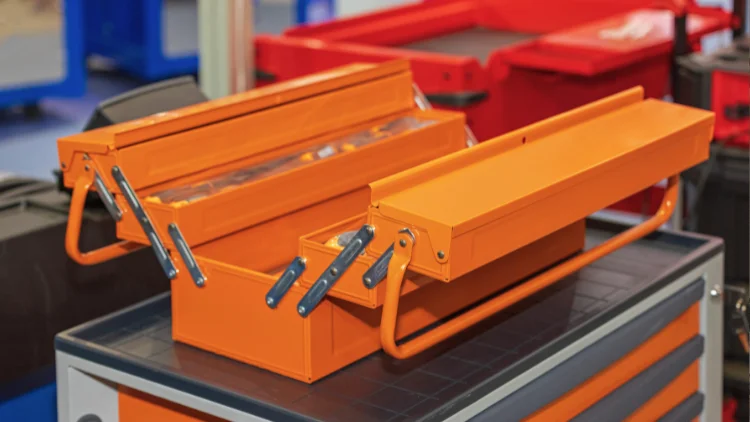
- Toolbox: Toolboxes are the most common storage method, suitable for personal tools or small power tools. A sturdy toolbox can effectively protect tools from dust, moisture, and impacts.
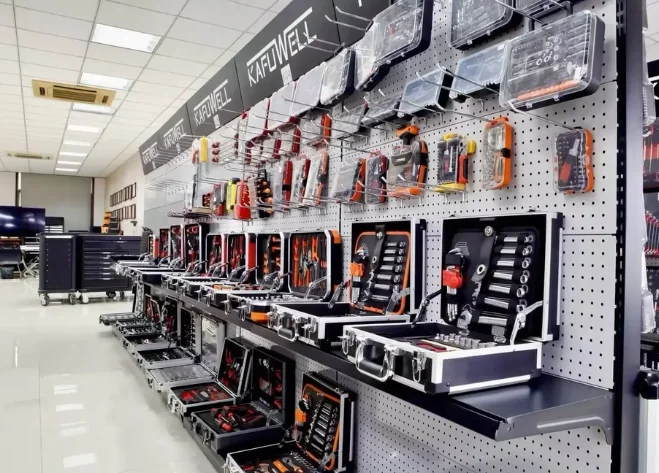
- Tool Cabinet: Storing power tools in a tool cabinet helps prevent dust buildup and keeps tools secure. You can choose cabinets with multiple shelves or drawers to categorize tools.
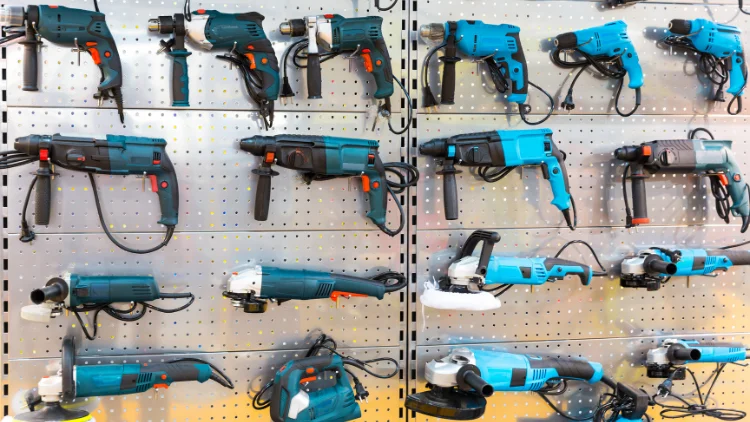
- Wall-Mounted Tool Racks: If space is limited, consider installing a wall-mounted tool rack to hang power tools. This saves space and keeps tools off the floor, reducing the risk of damage.
- Mobile Tool Carts: For users who need to move tools frequently, a mobile tool cart is a great option. It allows easy transportation between work areas and typically has multiple storage compartments for organizing tools.
Common Storage Mistakes
- Leaving the Battery in the Tool for Long Periods: If you don’t plan to use the tool for a long time, remove the battery and store it separately to prevent leakage or self-discharge that could damage the battery.
- Storing Tools Without Cleaning Them: Never store tools without cleaning them. Accumulated dust and grease can accelerate tool wear.
- Placing Heavy Tools on Cables or Hoses: Avoid stacking heavy tools on power cords or hoses, as this can damage both the tools and cables.
- Storing Tools in Damp Places: Moist environments can cause tools to rust or damage the batteries. Always ensure the storage area is dry.
Regular Inspection and Maintenance
Regular inspection and maintenance are essential when storing power tools for long periods. It’s recommended to:
- Charge the Battery: Periodically charge the battery to avoid degradation due to prolonged non-use.
- Lubricate Moving Parts: Apply lubricant to the motor components to keep the moving parts flexible.
- Check Electrical Circuits and Battery Contacts: Regularly inspect the circuits and battery contacts to ensure the tool is in optimal condition when you need it.
Conclusion
Proper storage of power tools not only extends their lifespan but also improves efficiency and ensures safety. By cleaning tools, removing batteries, keeping them dry, choosing the right storage space, performing regular maintenance, and avoiding common storage mistakes, you can keep your tools in top condition and ready for use. Follow these simple storage and maintenance tips, and your power tools will serve you longer and more efficiently.