If you’ve ever worked on a home renovation project or been on a demolition site, chances are you’ve come across a reciprocating saw. Also known as a saber saw or recip saw, it’s used to cut through a variety of materials.
In this guide, we’ll dive into what a reciprocating saw is, its main uses, and why it could be the only saw you’ll need for many of your home projects.
Key Features of a Reciprocating Saw

A reciprocating saw isn’t just another power tool; it can perform specific tasks that other saws can’t. Understanding its key features helps you make the most of its capabilities.
The Back-and-Forth Motion
The defining feature of a reciprocating saw is its “reciprocating” or back-and-forth motion. Unlike a circular saw, which rotates around a central blade, the reciprocating saw’s blade moves in a linear direction. This allows for straight cuts through tough materials, making it perfect for tasks that require a bit more precision.
Blade Selection
Another standout feature is the blade. Reciprocating saw blades come in a variety of types, each designed for specific materials. For instance, high-carbon steel (HCS) blades are perfect for cutting wood and plastic, while bi-metal (BiM) blades can handle tougher jobs, like cutting through metal or nails. Choosing the right blade for your project is crucial to achieving clean and efficient cuts.
Variable Speed Control
Most modern reciprocating saws offer variable speed control, giving you the flexibility to adjust the cutting speed based on the material you’re working with. Slower speeds are great for detailed, controlled cuts, while higher speeds provide the power you need for fast demolition.
Common Uses of a Reciprocating Saw
This tool can handle a variety of tasks, making it an essential addition to your toolbox. Here are the four most popular ways people use a reciprocating saw:
Demolition and Renovation
One of the primary uses of a reciprocating saw is demolition. Whether you’re tearing down a wall, removing old piping, or taking out windows, this saw makes the job faster and more efficient. The ability to cut through materials like drywall, wood, and nails without the need for a second tool makes the reciprocating saw an ideal choice for these heavy-duty tasks.
When you’re renovating, the saw allows you to quickly access hidden pipes, electrical wires, or studs, without worrying about cutting in the wrong direction. Its portability and precision make it perfect for controlled demolition.
Cutting Through Wood
From pruning trees to cutting beams, the reciprocating saw excels at cutting wood. Its powerful motor and adjustable speed give you the control needed to make quick, clean cuts, whether you’re trimming small branches or cutting through thick timber. It’s particularly helpful in tight or awkward spaces where other saws like a circular saw might not fit.
With the right blade, this saw can cut through everything from softwoods to hardwoods, and it’s particularly useful for cutting lumber in demolition or construction work.
Plumbing and Pipe Work
Another area where the reciprocating saw shines is in plumbing. It can easily cut through PVC pipes, copper pipes, and even metal piping. If you’re doing any home plumbing work or replacing pipes, this saw allows you to quickly cut through materials without the mess or hassle of using a hacksaw.
Its versatility in cutting different materials makes it the go-to tool for both plumbing and HVAC tasks, especially when you’re dealing with tight spaces where traditional cutting methods may not be possible.
Metal Cutting
For metalworkers or anyone who needs to cut metal, the reciprocating saw is a must-have. Equipped with a metal-cutting blade, it can slice through steel, nails, rebar, and even bolts with ease. This capability makes it a favorite for construction workers who frequently need to cut metal materials on the job site.
Because it’s faster than using a hacksaw or other hand tools, the reciprocating saw helps save time and effort while delivering a precise cut every time.
How to Use a Reciprocating Saw Safely
While the reciprocating saw is a powerful and versatile tool, it’s important to always use it safely to avoid injury and ensure the best results. Let’s look at a few key safety tips that will help you handle the saw with confidence.
Wear Proper Safety Gear
Safety first! Always wear eye protection, gloves, and a dust mask when using the reciprocating saw. This will protect you from flying debris, sharp objects, and dust particles, which can be harmful during prolonged use. If you’re cutting metal, ear protection is also recommended due to the loud noise generated by the saw.
Inspect the Tool Before Use
Before you even plug in your reciprocating saw, give it a quick inspection. Check the blade to ensure it’s securely attached and in good condition. Make sure there are no cracks or damage to the blade that could cause it to break during use. Also, check the power cord for any signs of wear or damage, and inspect the motor housing for any debris.
Keep a Steady Grip
Hold the saw with both hands to maintain full control. Don’t force the tool or push it too hard—let the saw do the work. Pushing too hard can cause the blade to bind, resulting in damage to the tool or even injury. Keep the saw’s path clear of obstructions, and always use the proper stance to avoid losing balance.
Secure Your Workpiece
For the best, most accurate cut, always secure the material you’re cutting. Use clamps or a vice to hold the material in place, ensuring it won’t shift during the cutting process. This will improve both safety and precision.
Turn Off the Saw When Changing Blades
It’s always a good idea to turn off the saw before changing blades or making adjustments. Let the blade come to a complete stop before setting it down or swapping it out. This reduces the risk of accidents when you’re handling a moving tool.
Tips for Maximizing the Performance of Your Reciprocating Saw

To make the most out of your reciprocating saw, understanding how to use it effectively is key. Whether you’re tackling a large renovation project or a small DIY task, there are a few tricks to optimize your saw’s performance and ensure you’re getting the best results. Here are some helpful tips:
Choose the Right Blade for the Job
One of the most important factors in maximizing your saw’s performance is selecting the right blade. Different tasks require different types of blades, so make sure to use the right one for the material you’re cutting. For example:
- Wood Cutting: Opt for a wood-cutting blade with fewer teeth (low TPI) for faster cuts.
- Metal Cutting: Use a bi-metal blade with higher TPI for smoother, more precise cuts through metal.
- Demo Work: For demolition tasks, a rough-cut blade with coarse teeth will make the job easier.
Choosing the right blade not only ensures better cutting efficiency but also extends the life of both the saw and the blade itself.
Adjust the Stroke Length
Many reciprocating saws come with an adjustable stroke length, which allows you to control the depth of the cut. Longer strokes can help you cut through thicker materials faster, while shorter strokes offer better control for more precise cuts.
Experiment with stroke settings depending on the material you’re cutting. For thick wood or metal, longer strokes will get the job done quicker. For thinner, delicate materials, shorter strokes can provide more accuracy and reduce the risk of damaging the material.
Keep the Saw Clean and Well-Maintained
To ensure your reciprocating saw continues to operate at peak performance, it’s crucial to maintain it properly. Regular cleaning and upkeep will prevent debris from building up and interfering with the tool’s functionality.
- Blade Maintenance: Clean your blades after each use to remove resin, sap, or metal shavings. A dirty blade can reduce cutting efficiency and may even damage the material you’re working with.
- Lubrication: Check the moving parts of the saw for wear and tear, and lubricate them as needed to maintain smooth operation.
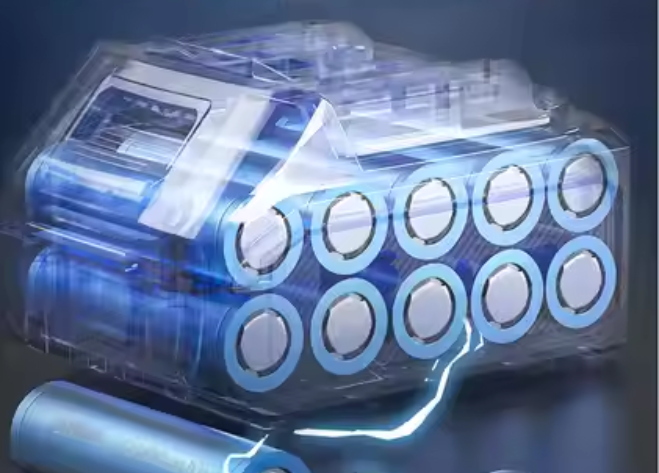
- Battery Care (for Cordless Models): If you’re using a cordless reciprocating saw, make sure the battery is charged properly. Store it in a cool, dry place when not in use to prolong battery life.
By keeping your saw clean and well-maintained, you’ll get smoother cuts and extend the lifespan of your tool.
Practice Proper Cutting Techniques
Using proper cutting techniques can make all the difference when working with a reciprocating saw. Here are a few tips to help you improve your cuts:
- Start Slow: Begin your cut at a slower speed to allow the blade to make initial contact with the material. Once the blade is in motion, you can speed up the cut.
- Cut at a Slight Angle: For better control, angle the saw slightly to the side. This helps the blade stay in the material longer and prevents it from jumping off track.
- Let the Tool Work: Don’t force the saw—let the blade do the work. Applying too much pressure can cause the saw to overheat, damage the material, or even cause the blade to snap.
Mastering these techniques will result in smoother, cleaner cuts, and a more enjoyable experience overall.
Use the Saw’s Features to Your Advantage
Many modern reciprocating saws come with additional features that can make cutting tasks easier and more precise. Features like vibration control, orbital action, and adjustable handles can reduce user fatigue and increase cutting accuracy. If your saw has any of these features, be sure to familiarize yourself with them and make the most of them.
- Vibration Control: This feature reduces the amount of vibration you feel, making it easier to control the saw during long periods of use.
- Orbital Action: Orbital action is especially useful for cutting wood, as it moves the blade in a slight forward motion, helping to remove debris from the cut and increase cutting speed.
- Adjustable Handles: An adjustable handle can provide a more comfortable grip, especially when working in tight spaces or during extended use.
By using these features effectively, you’ll not only make your cuts more efficient but also reduce strain on your hands and arms.
Read more: Brushless vs Brushed Motor: What’s the Difference?
Conclusion
In conclusion, the reciprocating saw will become one of the most versatile tools in your toolbox. If you haven’t added one to your collection yet, take a look at Kafuwell’s range of high-quality power tools to enhance your toolkit.