In different industries, tool selection isn’t just based on whether they are hand tools or power tools. Many projects require a combination of both to be completed effectively. Next, we’ll explore which tools are best suited for various tasks in different fields.
Understanding the Basics: Hand Tools vs. Power Tools
Hand Tools
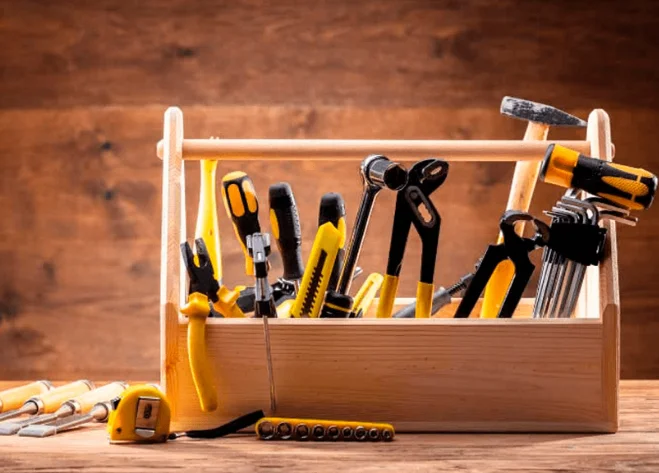
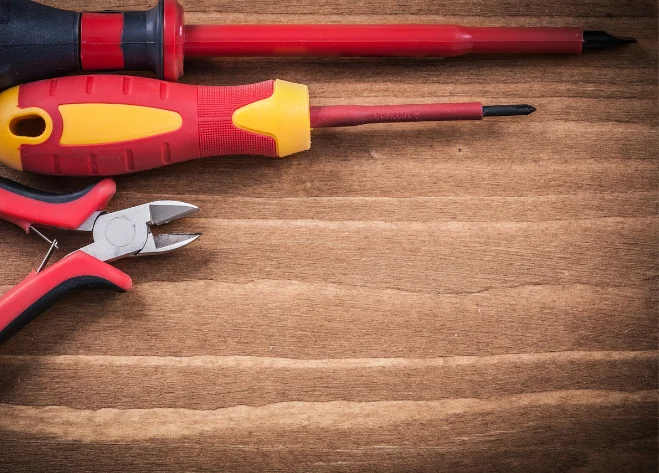
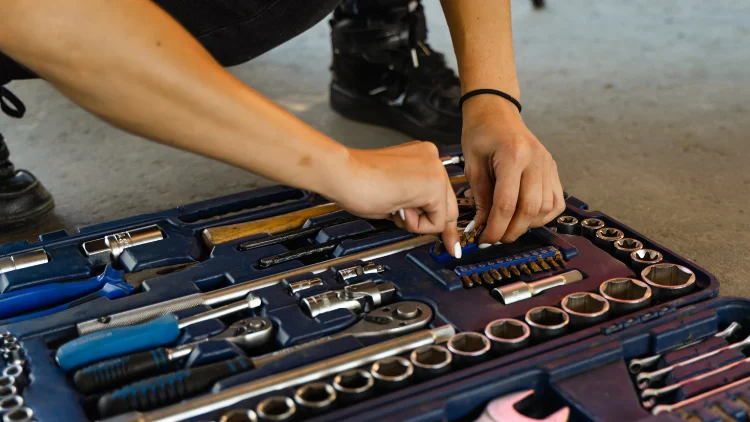
Hand tools are tools that are operated manually, without the need for an external power source like electricity, gas, or batteries. They are typically associated with simplicity, tradition, control, and affordability. Common examples include hammers, screwdrivers, wrenches, and hand saws.
Power Tools
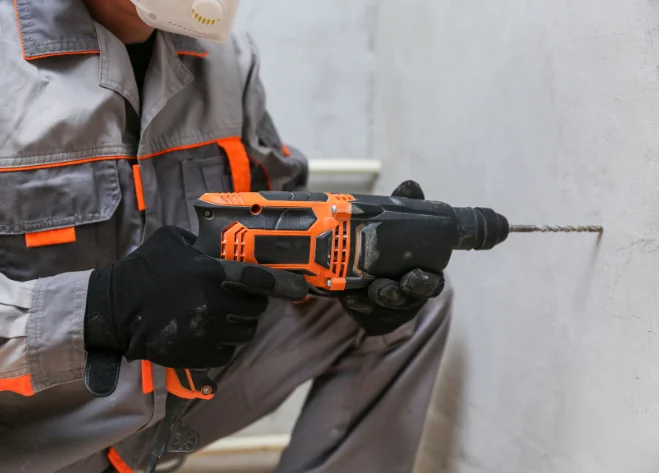
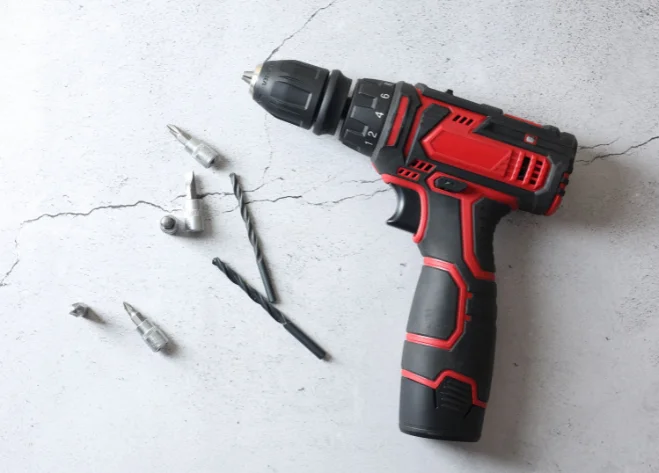
Power tools are powered by an external source, such as electricity, batteries, or gasoline. They are known for being efficient, powerful, and modern. Examples include cordless drill, impact wrenches, and jigsaws, which are ideal for larger projects or tasks that require repetitive work.
Hand Tool and Power Tool: Which One Should You Use?
The choice between using power tools or hand tools ultimately depends on the type of work you’re doing.
Automotive Repair
In automotive repair, efficiency and ease are key. Tasks like changing tires, removing engine parts, and loosening large fasteners are best done with power tools, such as impact wrenches and pneumatic tools. Power tools apply high torque quickly, reducing fatigue and saving time compared to manual tools. However, hand tools are often used for more detailed work, such as adjusting nuts, where the control offered by hand tools is far superior to that of power tools.
Woodworking
Power tools have revolutionized woodworking. Saws, planers, and sanders allow woodworkers to cut, shape, and smooth materials much faster and more accurately than with hand tools alone, especially in mass production and standardized tasks.
However, in woodworking, there are also tasks that require fine craftsmanship. Experienced woodworkers often use hand saws alongside power tools to achieve precision that power tools can’t replicate. Chisels, handsaws, and planes allow for the delicate details that power tools simply cannot match.
Construction
In the construction industry, much of the work involves high-intensity, physically demanding tasks. Power tools are unmatched when it comes to demolition, drilling, and cutting heavy materials. Tools like demolition hammers, impact drills, and circular saws can quickly handle tough materials like concrete and brick, dramatically reducing work time and boosting efficiency.
DIY and Home Repair
For DIY projects and home repairs, the slower pace of hand tools can actually be an advantage. Many DIY enthusiasts enjoy the process and the satisfaction that comes with it. Hand tools are generally more affordable, easier to use, and simpler to store, making them a great choice for smaller projects or when the goal is to enjoy the experience rather than rush through it.

Conclusion
When it comes to choosing the right tools for a job, it’s not just about picking between hand tools and power tools. Many projects actually benefit from using a combination of both. The key is to customize your tool selection based on the specific needs of each project.
FAQS
How to Safely Use Power Tools
Before using any power tool, it’s crucial to read and understand the user manual. Following the manufacturer’s guidelines is key to ensuring both safety and effectiveness.
When using power tools, make sure to wear the proper personal protective equipment (PPE). This includes safety glasses, ear protection, dust masks, and gloves. The type of equipment you need will depend on the tool you’re using and the job at hand. For example, when using a grinder, a face shield and ear protection will help protect your eyes and ears from flying debris and loud noise.
Always check your tools before use to make sure they are not damaged. Inspect for worn wires, cracked parts, or worn-out components.
What Are the Most Common Uses of a Power Drill?
A power drill is one of the most versatile tools you’ll find. Here are the most common tasks it’s used for:
Drilling Holes
The primary function of a drill is to create holes in various materials like wood, metal, drywall, and plastic. With the right drill bit, you can adapt it for nearly any material or task.
Driving Screws
Power drills can also drive screws, making them invaluable for assembly work. Simply swap out the drill bit for a screwdriver bit, and you can quickly and efficiently screw into wood, metal, or plastic.
Mixing Materials
With the right attachment, such as a mixer paddle, a drill can mix materials like paint, mortar, or grout. This is particularly useful for home renovation projects.
Sanding and Polishing
By attaching a sanding or polishing pad, you can use a drill to smooth out rough wood surfaces or polish metal, making it a useful tool for finishing touches.
How to Store Power Tools to Keep Them in Good Condition
Store your power tools in a cool, dry place, away from extreme temperatures and humidity. For cordless tools, always remove the battery before storing them to prevent corrosion. Regularly clean your tools to remove dust and debris, as buildup can shorten their lifespan. A quick cleaning and check-up can help keep your tools in top shape for years to come.
What’s the Best Power Tool for First-Time DIYers?
For beginners, a cordless drill is usually the best option. It’s versatile and easy to use for tasks like drilling holes and driving screws, whether you’re assembling furniture or doing home repairs. Look for a lightweight model with a long-lasting battery and user-friendly features.
What Tools Should You Use for Large Home Renovation Projects?
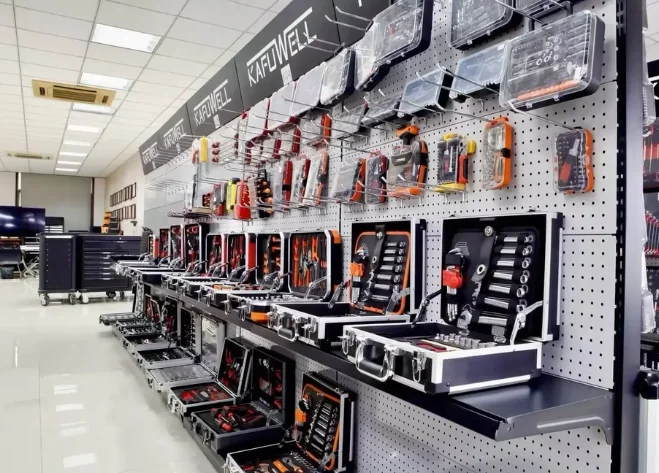
For larger projects, a power tool set is often the best choice. Key tools include a circular saw for cutting, a drill for drilling holes, and an impact driver for driving screws. These tools are essential for cutting, drilling, and assembling. For smaller tasks like measuring, making precise adjustments, or detailed work, hand tools are still incredibly useful.
How Do You Choose the Right Hand Tool for a Task?
The right hand tool depends on the job’s precision, the force required, and the materials you’re working with. For instance, a small wrench may be perfect for tightening a small bolt, but for larger bolts, a pipe wrench or adjustable spanner might be necessary. Understanding the specifics of the task will help you select the most appropriate hand tool for the job.