Professional mechanics typically have a wide range of tools, but if you’re just starting out with DIY projects or planning to do some car maintenance on your own, you’ll likely need a tool list that goes from basic to advanced, helping you gradually build the right set of tools for the job.
Essential Tools for Mechanics
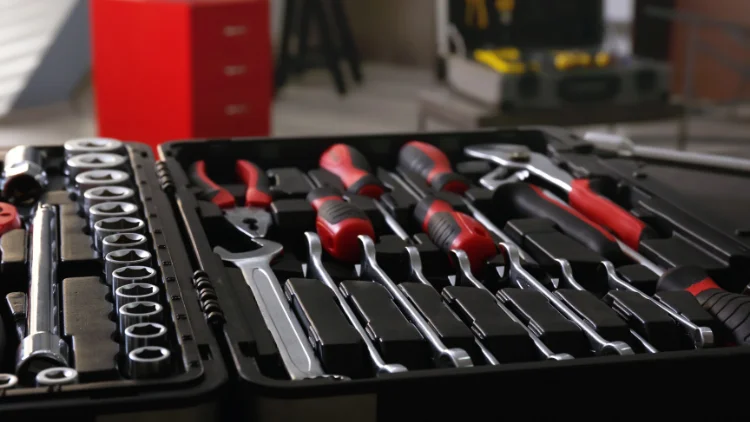
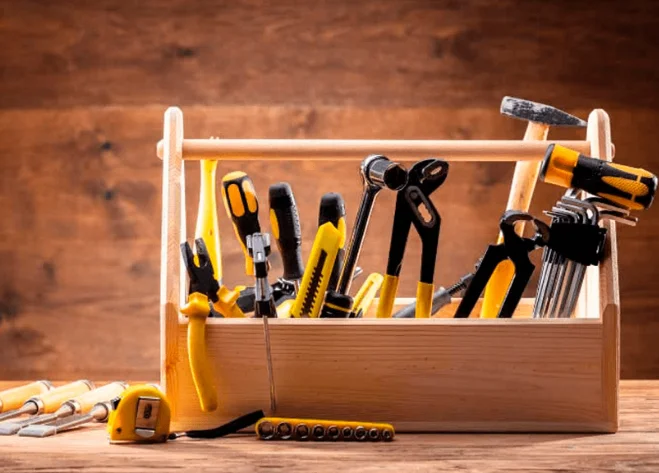
For DIY beginners or new mechanics, it’s best to start with basic tools. These tools are enough to handle most simple maintenance and repair tasks, and they come at a relatively low cost, offering great value.
Wrenches and Ratchets
- Open-End Wrench: This is a common hand tool used to tighten or loosen nuts and bolts. The open-end wrench has two ends shaped to fit around the nut or bolt, making it ideal for use in tight spaces.
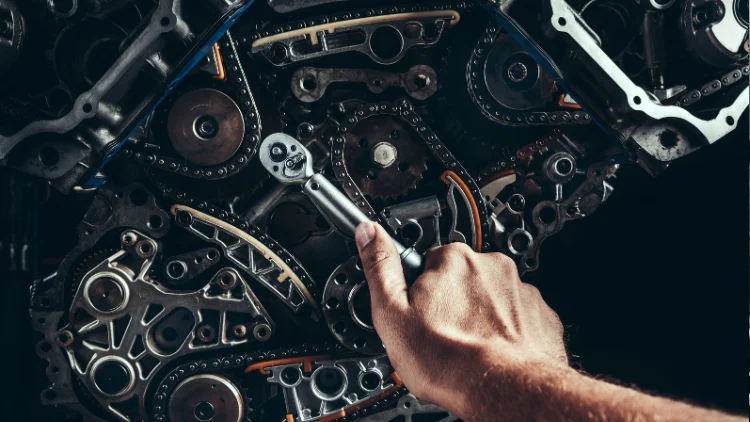
- Socket Wrench: This wrench works with interchangeable sockets, making it suitable for different bolt sizes. A socket wrench provides more leverage, allowing you to easily loosen and tighten fasteners. It’s often equipped with a ratchet handle, making operations more efficient—you don’t have to remove the tool after each turn; you can continue turning without lifting it off.
- Allen Wrench (Hex Key): Used to tighten or loosen hex-head screws, which are commonly found in automotive and motorcycle repairs. An Allen wrench is especially useful when removing engine components and other precision parts.
Screwdrivers and Pliers
- Flathead Screwdriver: This screwdriver has a flat blade and is used for removing screws with a single, straight slot. It’s commonly used for tasks like removing components from dashboards or other small hardware.
- Phillips Screwdriver: A Phillips screwdriver has a “cross” shaped blade, perfect for driving screws with a cross-shaped slot. It’s an essential tool for almost every standard screw and repair job.
- Needle-Nose Pliers: With their slender, pointed tips, these pliers are perfect for gripping, bending, or cutting small wires and parts, making them especially useful for electrical work.
- Pipe Wrench: A pipe wrench is designed for tightening or loosening pipes and provides strong gripping power. It’s particularly useful for working with larger pipes and bolts.
Hammers and Rubber Mallets
- Claw Hammer: This is a standard hammer used for driving nails, dismantling parts, or hitting metal. It’s essential for larger repair tasks.
- Rubber Mallet: A rubber mallet is often used for delicate work, like tapping wheel rims or body panels, without damaging the surface. It’s great for jobs that require force but also a gentle touch.
Toolbox
Having a good set of tools is crucial, but knowing how to store and organize them is just as important. A quality toolbox helps you efficiently organize, store, and transport your tools, making your work process more organized and efficient.
Advanced Tools
As you gain more experience, you’ll begin to tackle more complex repair tasks. At this point, you’ll need tools that improve efficiency and help you handle more precise or high-intensity repairs.
Power Tools
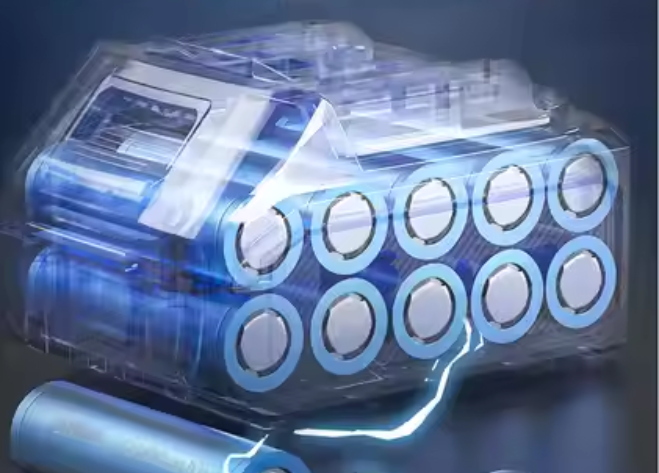
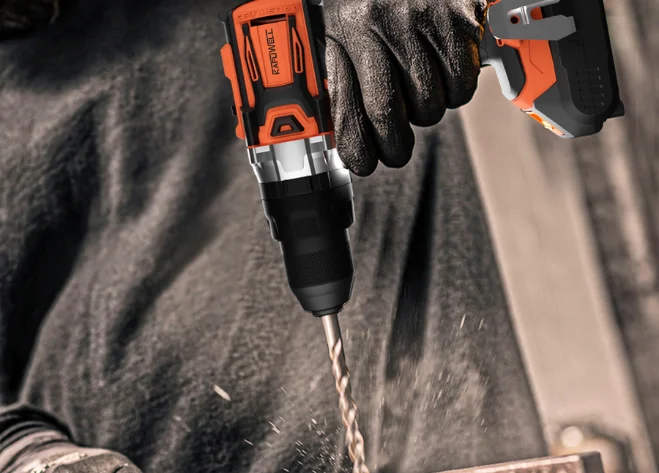
- Cordless Drill: A cordless drill is one of the most commonly used advanced tools. It can quickly drill holes, especially for tasks that require frequent drilling. Most modern drills come with variable speed settings, allowing you to adjust the speed based on the task and material you’re working with.
- Impact Wrench: For high-torque jobs (such as removing wheel nuts or tightening fasteners on heavy machinery), an impact wrench can quickly loosen fasteners. The impact force allows you to handle most heavy-duty bolts with ease, without needing to manually apply force.
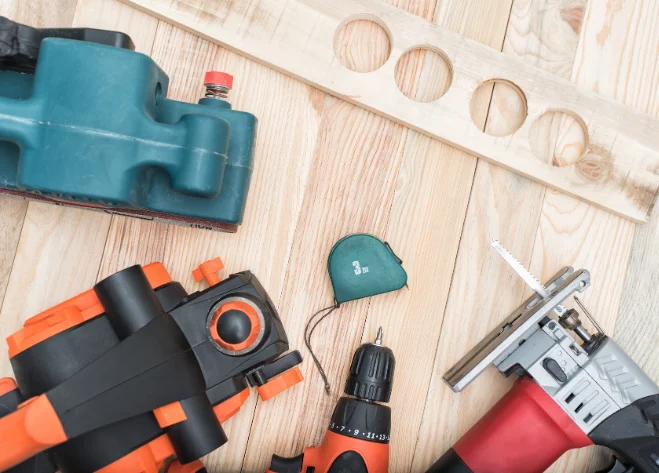
- Sander: An electric sander is an essential tool for surface preparation, especially important in auto repairs and part restoration. It helps you quickly remove rust, smooth surfaces, or polish parts to a fine finish.
Torque Wrenches
- Digital Torque Wrench: A digital torque wrench displays the exact torque value being applied and alerts you when the preset torque is reached, ensuring that each bolt is tightened to the precise standard.
- Mechanical Torque Wrench: This is the more traditional type of torque wrench, typically featuring a dial that shows the applied force. Although it’s not as precise as the digital version, it still meets the torque requirements for most repair tasks.
Tools for Welding, Diagnostics, and Lifting
When working on more complex repairs and modifications, professional tools help you achieve higher precision and meet specific needs.
Multimeter
A multimeter is one of the most commonly used tools for dealing with the electrical systems in modern cars and machines. It helps you check voltage, current, and resistance, making it easier to diagnose issues with batteries, circuits, and sensors.
Welding Equipment
Using the right equipment is essential when welding. For example, MIG welders use inert gas to protect the weld, making them suitable for most metal welding tasks. Whether you’re repairing car bodies or working on heavy metal structures, a MIG welder provides stable, high-quality results.
Hydraulic Jack
When you need to perform repairs under a vehicle or heavy equipment, a hydraulic jack allows you to lift it easily and safely. It gives you enough space to work underneath while providing stable support.
Conclusion
Whether you’re just starting out with DIY projects or tackling more complex repairs, having the right tools is key to success. You can gradually build your toolset and take on more challenging tasks as you gain experience.
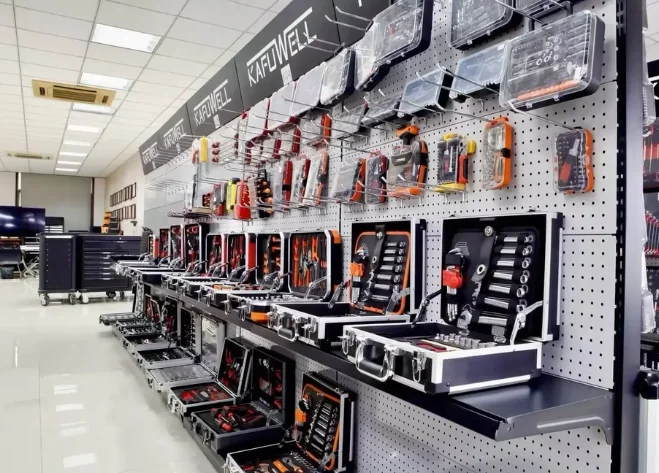
If you’re looking for high-quality tools, Kafuwell offers a wide range of power and hand tools, as well as tool sets, to help you easily handle any project.