Laminate flooring is popular for its durability and stylish appearance. However, if you’re looking to secure furniture or equipment to the floor, you might wonder if it’s possible to drill into laminate. The answer is yes, but drilling requires caution to avoid damaging the floor, such as causing cracks. This article will cover best practices for drilling and how to avoid common mistakes.
Step-by-Step Guide for Drilling into Laminate Floors
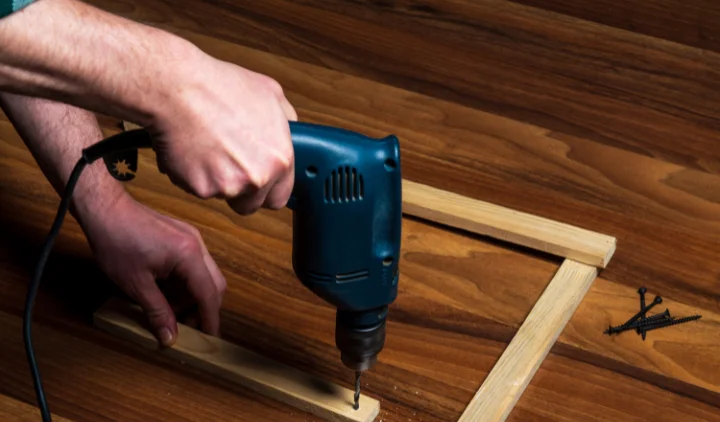
While drilling into laminate flooring is possible, it requires the right approach to avoid damaging the surface. Here are some best practices to ensure you can drill safely and effectively.
Prepare Your Tools
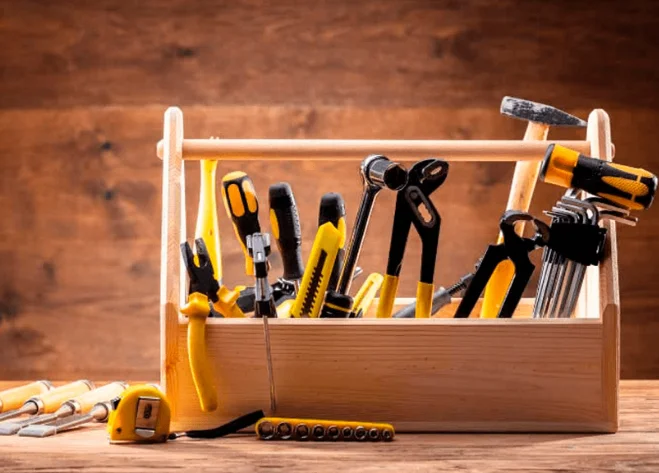
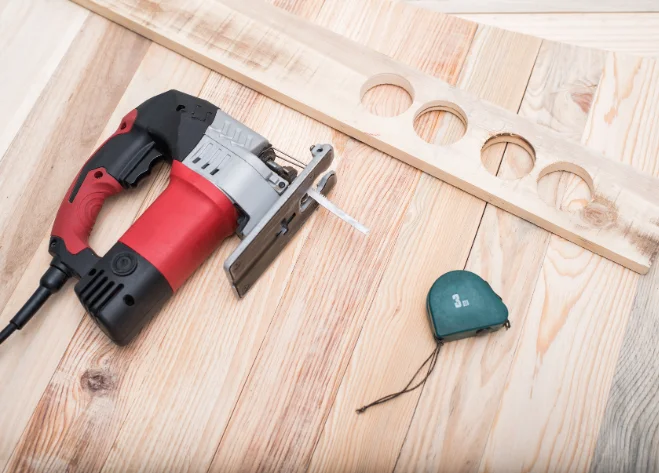
Gather the necessary tools: a regular drill (not a hammer drill), tungsten carbide or diamond-coated drill bits, masking tape, a marker, safety glasses, ear protection, and gloves.
Mark the Drilling Location
Use a pencil or masking tape to mark the spot where you plan to drill. Make sure the marks are accurate and aligned.
For multiple holes, measure the distance between them to ensure even spacing.
Protect the Surface
Apply masking tape over the marked drilling area. This will help prevent chipping or cracking of the laminate surface when the drill bit makes contact.
Select the Right Drill Bit
Choose a twist drill bit (usually sufficient for laminate) or a spade bit if you need a larger hole.
If the floor is hard, use a diamond-coated drill bit; for medium-hard floors, tungsten carbide bits are ideal.
Set the Drill Depth
If your drill has a depth stop, set it to limit how deep the hole will be. Alternatively, you can mark the desired depth on the drill bit using masking tape.
Align the Drill Bit
Position the drill bit over the marked spot and make sure the drill is perpendicular to the laminate surface.
Gently touch the drill bit to the surface to ensure it’s steady and aligned.
Drill at Low Speed
Set your drill to a low speed (around 1000 to 1500 RPM).
High-speed drilling can cause excessive heat, which may damage the laminate. Low-speed drilling reduces heat and provides more control.
Apply Steady Pressure
Begin drilling with steady, moderate pressure. Let the drill bit do the work—don’t push too hard, as this could cause the laminate to crack or splinter.
Drill in Layers
For thicker laminate or deeper holes, start with a small pilot hole and gradually switch to larger drill bits, enlarging the hole step by step. This helps prevent cracks and ensures a clean hole.
Avoid Drilling Through the Underlayer
Be mindful of the laminate’s underlayer (such as a moisture barrier). Make sure the drill bit does not penetrate this layer to avoid compromising the floor’s integrity.
Clean Up
Once you’ve finished drilling, clean up any wood dust or debris around the hole to prevent it from getting into the hole or scratching the laminate surface.
Conclusion
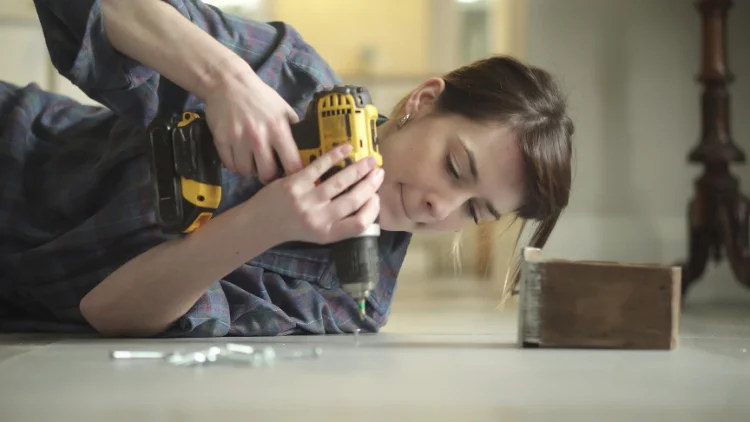
By using the right tools, accurately marking the drilling location, and maintaining low speed and steady pressure, you can successfully complete your drilling tasks. If you don’t have the right tools yet, feel free to check out Kafuwell to find the perfect drill and drill bits for your project, making your drilling work more efficient and smooth.