Linemen work in some of the most challenging and dangerous environments, maintaining and repairing power lines that provide electricity to homes, businesses, and industries. Their job requires skill and strength, but most importantly, the right tools. The right tools help improve efficiency, reduce physical strain, and enhance safety.
Since linemen use a wide range of tools, this article will explore the essential power tools they use daily, and how to choose and maintain the right tools for the job.
Essential Power Tools for Linemen

Certain power tools are absolutely indispensable in the core duties of a lineman. These tools are designed to assist with various tasks that linemen face, from installing electrical equipment to cutting and stripping wires. Here’s a look at the essential power tools used by linemen in their day-to-day work:
Impact Drill
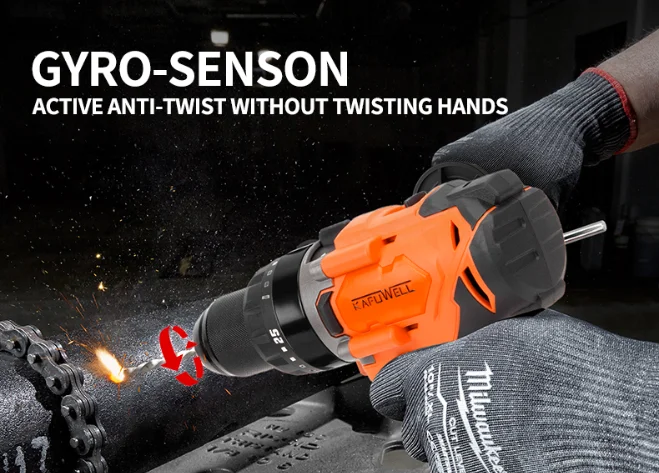
Impact Drill are versatile tools used by linemen for various tasks, such as drilling holes in utility poles, installing bolts, and securing components. Cordless impact drills, especially lithium-ion battery-powered ones, offer convenience and mobility. The long-lasting battery life is particularly useful when working in remote locations without immediate access to power.
It’s important to choose an impact drill with sufficient torque to handle tougher tasks, like drilling through thick wood or metal.
Impact Wrenches
Impact wrenches are another critical tool for linemen. These power tools provide high torque, making it easier to loosen or tighten bolts in hard-to-reach areas, such as utility poles or large transformers. Using an impact wrench helps linemen work more efficiently while reducing physical strain.
Power Saws
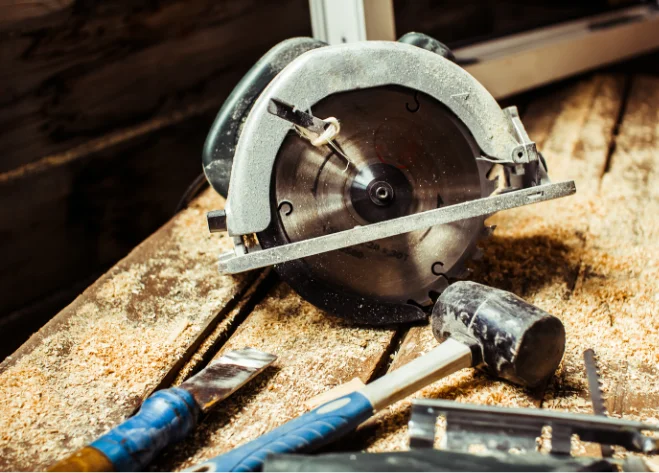
Power saws are used for various applications, such as cutting metal, wood, or PVC pipes. They are essential for linemen who need to cut through utility poles or other equipment during repairs or installations. A reliable power saw can save significant time and effort compared to manual cutting tools.
Common types of power saws used by linemen include reciprocating saws and circular saws. Each type has specific applications, so it’s important to choose the right one based on the job at hand.
Welding Tools
When repairing or installing high-voltage power lines and other electrical equipment, it’s often necessary to securely join metal parts together. These tools include welding machines, cutting torches, and protective gear like welding helmets and gloves.
For linemen, portable welding tools that can withstand outdoor environments are a key consideration.
How to Choose the Right Power Tools for Linemen
When selecting power tools for linemen, it’s not just about choosing the most expensive or advanced tools. It’s about selecting equipment that meets the specific needs of the job and the individual preferences of each lineman. Here are some key factors to consider when choosing power tools for linemen:
Battery Life and Power Supply
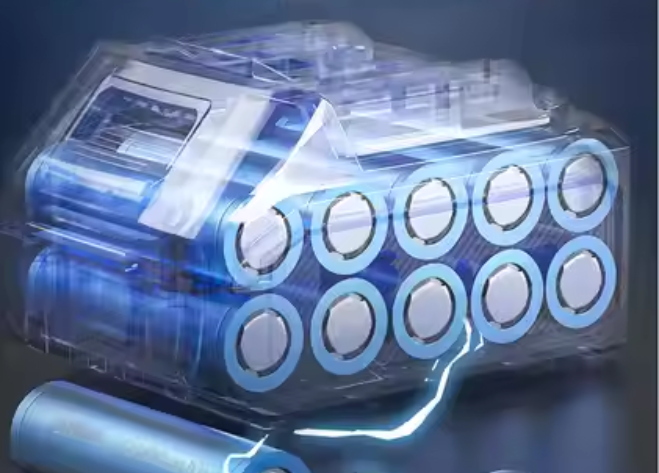
Line maintenance and installation work is often carried out in remote areas, far from power sources, so battery life becomes a crucial factor. Batteries with long-lasting power can reduce frequent downtime, improve work efficiency, and make the process smoother. For example, lithium batteries are an ideal choice due to their long runtime, fast charging, extended standby time, and longer lifespan.
Durability and Shock Resistance
Linemen often work in harsh environments, facing extreme weather, rough terrain, and high-intensity conditions. For example, in extremely cold temperatures during the winter, some batteries may lose charge quickly, while in hot conditions, heat dissipation becomes a concern.Additionally, tools are bound to experience impacts and bumps during work, so having a protective casing can prevent damage and extend their lifespan.
Therefore, tools need to be highly durable, shock-resistant, moisture-proof, and wear-resistant. When purchasing power tools, it’s important to check the product manual or label to understand the recommended temperature range for use.
Industrial-grade lithium batteries can operate in temperatures ranging from -20°C to 60°C, but prolonged exposure to extreme temperatures can affect their lifespan. The ideal charging temperature is between 0°C and 45°C. Below 0°C, the charging efficiency of lithium batteries significantly decreases and may even cause damage, while temperatures above 45°C can lead to overheating, increasing the risk of failure.
Weight and Ergonomic Design
Since linemen often work for long hours, it’s essential that their tools are lightweight and ergonomically designed. Heavier tools can place significant strain on the hands, wrists, and back, especially during repetitive tasks and while working at heights, where maintaining steady force can be difficult, leading to increased physical fatigue.
Additionally, when choosing power tools, it’s important to test how they feel in your hand, including their balance and grip. A well-designed tool can improve stability and make the job easier and more efficient.
Recommended Brands and Models
Some of the most trusted brands for linemen’s power tools include DeWalt, Kafuwell, and Bosch, known for their durability and performance. The DeWalt DCD791D2 drill and the Kafuwell PA4506H 20V brushless cordless impact wrench are popular choices among linemen due to their power, long battery life, and ergonomic design.
Before purchasing, it’s a good idea to test out different brands and models, as personal preferences and job requirements can vary from one lineman to another.
learn more:DeWalt vs Bosch vs Kafuwell: Comparison of Three Power Tool Brands
The Importance of Tool Maintenance and Care
Regular maintenance of power tools helps to maintain their performance, extend their lifespan, and prevent tool failures.
Regular Inspections
Regularly inspecting tools is essential to ensure they are in good working condition. This includes checking parts like gears, chucks, and other components that may wear out over time with frequent use.
Common signs of wear include abnormal sounds, increased vibration, or any jerking movements during operation. Regular inspections help identify potential issues before they develop into serious problems that could affect the tool’s performance or safety.
Cleaning and Lubrication
To keep tools running smoothly, clean them after each use, especially areas like cooling vents that can gather dust and debris. It is recommended to perform a thorough cleaning once a month. The motor of power tools is particularly prone to dust and dirt buildup.
Before cleaning, remove the battery to avoid accidental start-ups. Use a small brush or air blower to gently remove dust and debris from the motor, especially around the cooling fins. For cooling vents, if compressed air is unavailable, you can use a vacuum cleaner with a narrow nozzle to gently suck out the dust.
Battery ports and contact points should also be wiped clean with a dry cloth or cotton swab. Check parts like blades, gears, and bearings to see if they need lubrication, cleaning, or replacement.
Storage and Protection
Proper storage is crucial. Tools should be kept in a dry, cool place, away from moisture or extreme temperatures that could cause damage.
The care of batteries directly impacts the tool’s battery life and performance. When not in use for long periods, store the battery at 50%-70% charge and remove it from the tool, keeping it in a cool, dry place. Avoid leaving batteries in a fully charged or fully discharged state for extended periods.
When not in use, tools should be stored in a toolbox or carrying case to prevent accidental damage. It’s also a good idea to purchase protective covers or cases for tools, especially for expensive equipment like drills, saws, and impact wrenches.
Conclusion
Cordless power tools have completely transformed the way linemen work. Today, most linemen prefer cordless drills, impact wrenches, and saws because they are lightweight, easy to use, and offer greater mobility. In fact, cordless power tools have become the standard for many tasks, making them an essential part of every lineman’s toolbox.
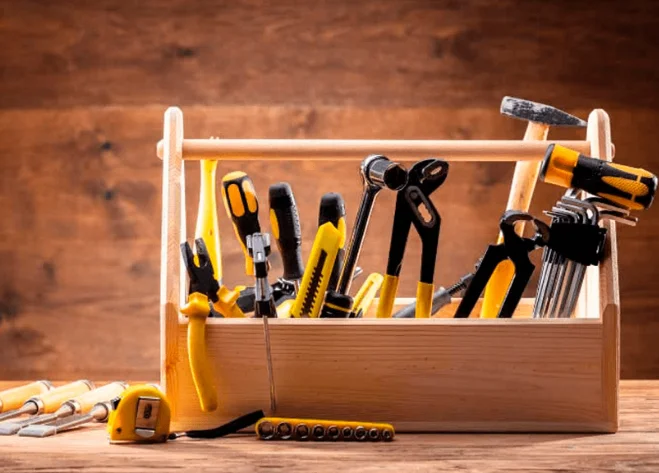
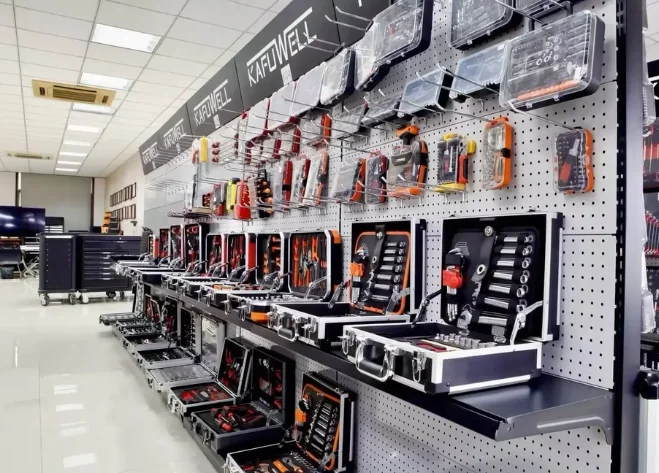
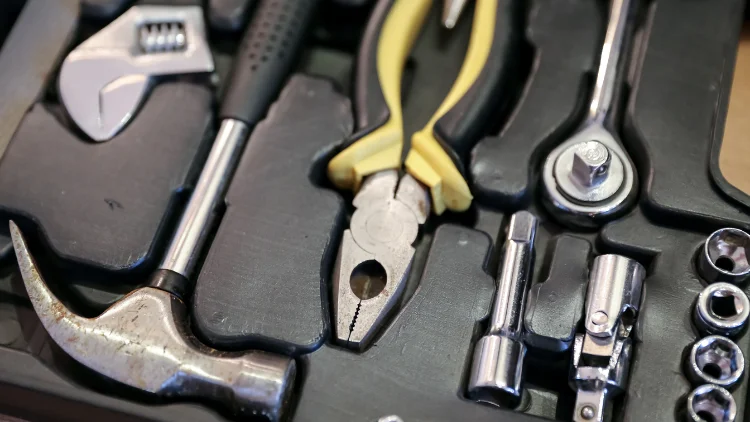
In addition to these commonly used power tools, hand tools are also indispensable. It’s recommended to choose a comprehensive hand tool kit specifically designed for linemen, as it includes tools that can handle most work scenarios. Such kits are not only convenient to carry and keep organized but are also more cost-effective than purchasing tools individually.For example, the Kafuwell Electronics and Telecommunications Tool Set is an excellent option, providing a complete selection of tools tailored to the needs of linemen.