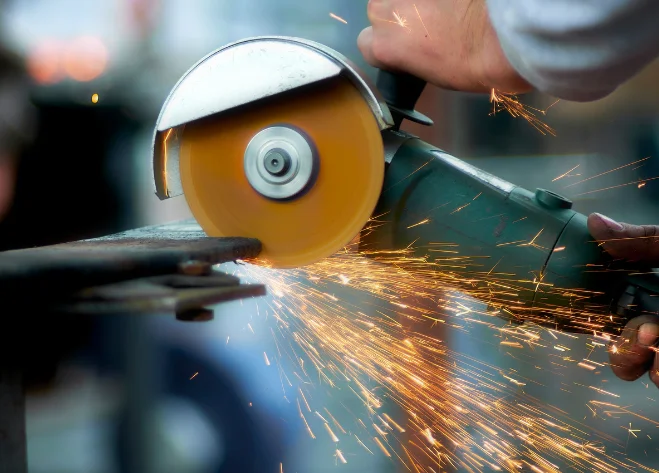
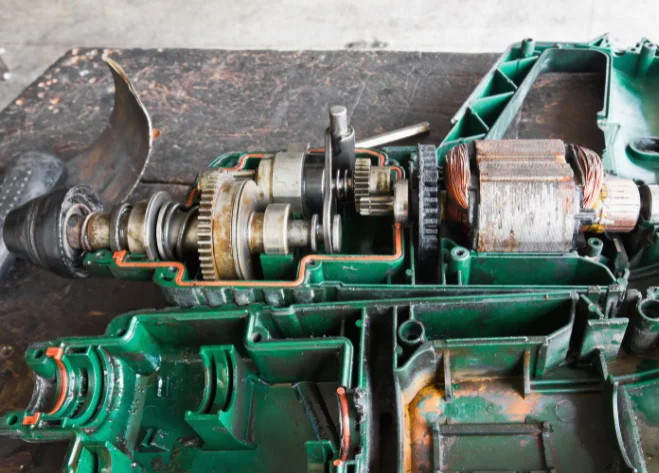
An impact drill is a powerful tool designed to tackle high-intensity tasks with ease. Whether you’re drilling through concrete on a construction site, fastening metal components, or working on woodworking and home renovation projects, an impact drill’s high torque and impact power make it a truly versatile tool.
In this guide, we’ll dive into the core features of impact drills, their primary applications, and tips for getting the most out of this essential tool.
What Is an Impact Drill?
An impact drill is a versatile power tool that combines rotational drilling with a rapid hammering action, giving it the ability to drive screws or drill into tough surfaces like concrete, brick, and metal. Unlike regular drills, which rely solely on rotational force, impact drills use bursts of impact force to push the drill bit forward while rotating. This makes them powerful and effective for tasks that demand more than just spinning a drill bit.
Impact drills are often confused with hammer drills or impact drivers, but they each have distinct purposes. The impact drill stands out because of its ability to deliver both high torque and impact force, making it a go-to tool for drilling holes in dense materials. With this unique dual action, an impact drill is the perfect blend of a standard drill’s versatility and a hammer drill’s power, suited for projects that require a little extra muscle.
Uses of Impact Drill
An impact drill is a powerful, versatile tool that performs well in a range of situations, whether for daily household tasks or professional construction. Here’s a breakdown of how an impact drill can be used in different settings:
Everyday Household Use
At home, an impact drill is an easy-to-use tool that makes quick work of repairs and light maintenance, adding convenience to your daily life.
- Hanging Pictures and Artwork: Quickly drill holes in drywall or light brick walls for easy picture or decor mounting, adding a touch of style to your home.
- Installing Small Furniture: Perfect for putting up shelves, small bookcases, or storage racks, helping to organize items and maximize space.
- Minor Repairs: Ideal for reinforcing loose screws in furniture or door handles, allowing for quick fixes around the house.
For household use, opt for a lightweight, moderate-power drill to ensure effective results without damaging walls or furniture. When drilling into softer materials (like drywall or wood), lower the speed and impact settings for safer operation.
DIY Projects and Crafts
An impact drill is a DIY enthusiast’s best friend, perfect for a variety of creative projects. From woodworking to specialty crafts, this tool unlocks endless possibilities.
- Woodworking and Furniture Making: Beyond drilling, it’s great for working with hardwood and softwood, making custom furniture like storage cabinets, tables, and plant stands.
- Functional and Decorative Walls: Use an impact drill to create unique wall setups with storage racks, tool organizers, or small display shelves, making organization both functional and stylish.
- Outdoor Furniture and Camping Gear: Create outdoor furniture like folding chairs, garden fences, or even modify camping gear with lamp stands or portable brackets to enhance your outdoor setup.
- Drilling in Delicate Materials: Suitable for drilling in glass, ceramic, and other fragile materials, ideal for creating decorative wall tiles, handmade light fixtures, or art displays.
Opt for an impact drill with adjustable speed settings to accommodate various materials. Use a lower speed for hardwood to prevent cracks; for delicate materials (like glass and ceramic), use light pressure and low speed for smooth, safe drilling.
Construction Sites and Professional Projects
On construction sites or for heavy-duty tasks, an impact drill is indispensable. This tool handles high-intensity jobs with ease, making it a go-to for professionals.
- Drilling in Concrete and Masonry: With high torque, an impact drill easily penetrates concrete and brick walls, essential for installing air conditioners, electrical wiring, and safety railings.
- Metal Drilling: Works effectively on steel, aluminum, and other metals, ideal for setting up metal frames, handrails, and other secure structures.
- Hanging Lights and Installing Pipes: Drills through walls and ceilings for installing heavy fixtures like light fixtures, curtain rods, and plumbing, providing reliable support for demanding installations.
For professional use, choose a high-power, industrial-grade impact drill with high torque to ensure stability on hard materials and avoid skipping. Using a durable drill bit also extends bit life, making it well-suited for high-intensity operations.
Outdoor and Gardening Applications
An impact drill also serves important functions in outdoor and garden settings, suitable for various installation projects that make gardening and outdoor living easier.
- Fence and Shed Installation: Drill holes into wooden or metal frames, ensuring strong support for fences or sheds, adding stability and durability.
- Outdoor Lighting Setup: Drill holes into walls or posts to install lighting fixtures, adding ambiance and visibility to gardens or patios.
- Garden Decorations: Useful for setting up plant stands, garden signs, or other outdoor decor, blending functionality with aesthetics to create a relaxing outdoor space.
For outdoor projects, choose a water- and dust-resistant impact drill to handle changing weather. Use concrete bits for hard surfaces and wood bits for fencing to achieve the best results.
How to Choose the Right Impact Drill
Choosing the right impact drill comes down to understanding a few key features and considering the types of projects you’ll be working on most. Here are some tips to help you find the right fit:
Power and Torque
Power matters. If you’ll mostly be working with softer materials like wood or drywall, a mid-range impact drill with moderate torque should do the job. But for tougher materials like concrete or metal, it’s best to go with a high-torque model (measured in Newton-meters, or N.m). Higher torque helps the drill power through dense materials more smoothly, without slowing down or overheating.
Corded vs Cordless
Corded impact drills are ideal for long, continuous work on job sites or big projects. They’re usually lighter since they don’t require a battery, but they do need access to a power outlet. Cordless drills, on the other hand, offer greater flexibility and let you move around freely without being limited by cords.
Battery Life (for Cordless Models)
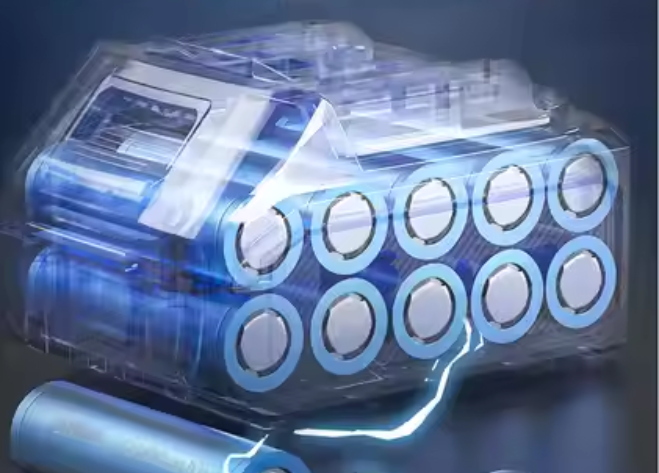
For cordless impact drills, battery type and life are key considerations. Look for lithium-ion batteries, as they tend to last longer and charge faster. For longer projects, a model with a backup battery is ideal, so you can keep working while the other battery charges.
Speed and Torque Settings
Variable speed and torque settings let you adjust power for different materials. Lower speeds are perfect for fine control with delicate materials, while higher speeds are better for drilling quickly through tough surfaces. Some models also offer a hammer function, which is helpful if you frequently drill into masonry.
Ergonomics and Weight
Comfort matters, especially for long projects. Look for models with ergonomic grips and balanced weight to reduce strain on your hand and wrist. For overhead or tight space drilling, a compact or lighter model may be more comfortable, even if it sacrifices a bit of power.
Extra Features
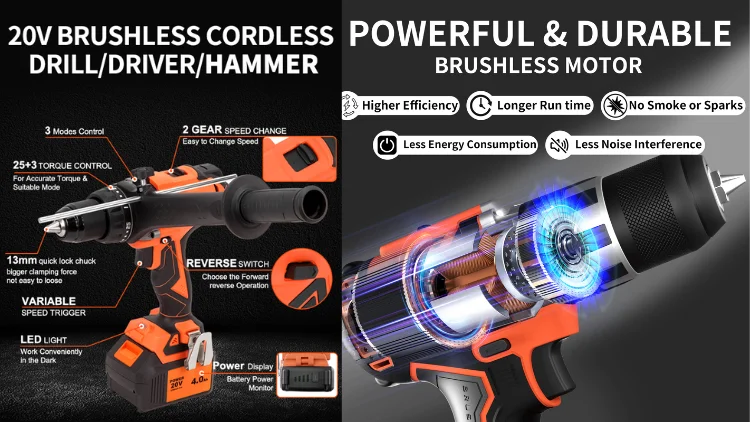
Some impact drills come with additional features like built-in LED lights, great for dark corners, or brushless motors, which last longer and run more efficiently. Anti-kickback features and adjustable handles can also make the tool safer and easier to use, especially when drilling through tough materials that can cause the drill to twist unexpectedly.
If you’re looking for a powerful and versatile tool to handle a variety of tasks, consider the Kafuwell 20V Brushless Cordless Two-Speed Impact Drill. This impact drill is equipped with a high-torque motor delivering up to 150 N.m, making it ideal for demanding work environments like construction sites, woodworking shops, and metalworking applications. It can drill up to 150mm in wood or 16mm in steel.
It also features a dual-speed adjustment system for greater precision, along with advanced safety features such as anti-kickback protection and reverse rotation. Additionally, its ergonomic design and built-in LED work light ensure you can work comfortably and efficiently in any lighting conditions.
How to Use an Impact Drill
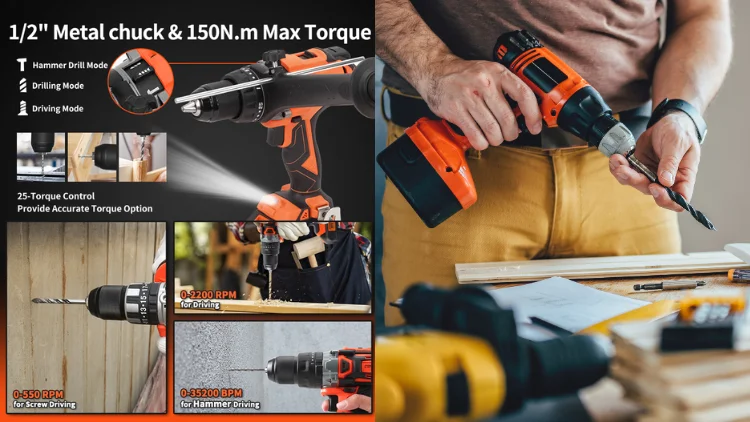
An impact drill can make tough jobs easier, but it’s essential to prioritize safety while enjoying its power. Here are some practical safety tips to keep in mind every time you use an impact drill:
Wear Protective Gear
Drilling generates debris, dust, and small particles, especially when working with concrete or metal. Wear safety glasses to protect your eyes, and use a dust mask if you’re working in a dusty environment. If the noise level is high, such as when drilling into metal or masonry, consider wearing earplugs.
Check the Drill Bit
Choosing the right bit for the material makes your work smoother. For example, use a titanium-coated step bit for metal drilling, which offers durability and versatility. Make sure the bit is securely fastened; a loose or incorrect bit could slip, damage the material, or even break during use. If the bit is worn out, replace it to prevent it from jamming or overheating.
Maintain a Stable Stance and Grip
An impact drill is powerful, so make sure to hold it firmly and stand steady before starting. Grip the drill with both hands, keeping it aligned vertically with the work surface without pressing down too hard. A stable stance is essential for high-torque tasks, as the drill may twist if the bit catches. Balanced footing helps you stay in control, especially when the bit hits a tough spot.
Reduce Speed When Drilling Hard Materials
When drilling into harder materials like metal or concrete, start with a low speed to create a pilot hole, then gradually increase the speed as needed. This technique gives you better control, helps prevent overheating, and reduces the risk of damaging the bit or material.
Watch Out for Kickback
High-torque impact drills can experience “kickback” when hitting a hard spot, which can catch you off guard and potentially strain your wrist or arm. To reduce the risk of kickback, consider using a drill with anti-kickback features or an adjustable handle for a more secure grip, helping to minimize sudden twisting.
Avoid Excessive Force
If the bit isn’t cutting through the material easily, it’s tempting to apply extra pressure. However, impact drills are designed to do the work for you. Use moderate, steady pressure and let the bit handle the task, increasing force only when necessary. Over-pressuring the drill can overheat the motor and may damage the bit.
Take Breaks During Extended Use
For tasks requiring prolonged drilling or repetitive operations, pause occasionally to let the drill cool down. This helps extend motor life, prevent overheating, and reduce hand fatigue, allowing you to work more safely and comfortably.
Conclusion
An impact drill is an essential tool on any job site, workshop, or commercial project. If you’re looking for high-quality, durable power tools, Kafuwell offers a range of professional impact drills and other power tools designed to meet the demanding needs of business users. With premium materials and advanced proprietary technology, our tools deliver reliable, high-performance productivity in even the toughest environments. Visit our website now to find the tools that best suit your business needs!