Are you thinking about starting a woodworking journey? That’s awesome! But honestly, walking into a tool store or browsing online can feel like stepping into another dimension. There are just so many options! Where do you even start? What do you really need to get going without draining your wallet on tools you might never use?
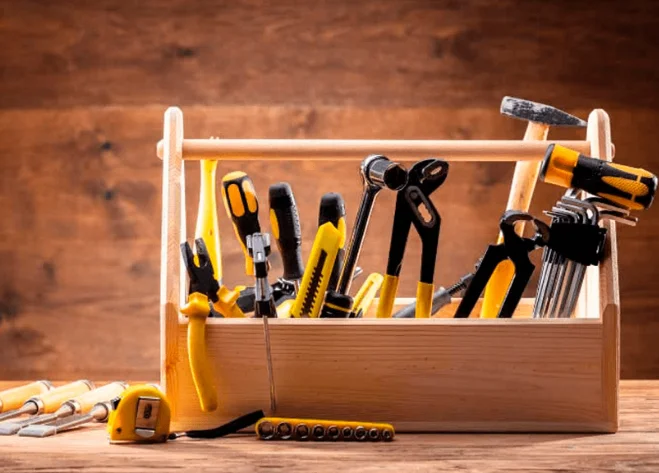
Below, I’ll recommend five power tools that are perfect for getting started with DIY and woodworking. You don’t need all those fancy gadgets to start building cool stuff. Let’s dive in!
1. Circular Saw
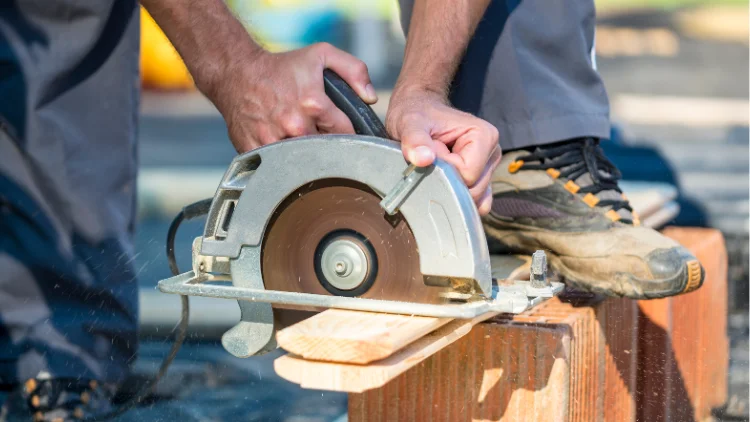
Why is the circular saw first on the list? Because it’s super versatile. You can use it to cut wood, plywood, and more. In many cases, especially when you’re just starting out, a circular saw can totally take the place of a table saw.
What’s the best thing about a circular saw? It’s portable. That means you can bring the saw to the material, which is a lifesaver when you’re dealing with large or heavy pieces of wood. No more wrestling full sheets of plywood onto a table saw!
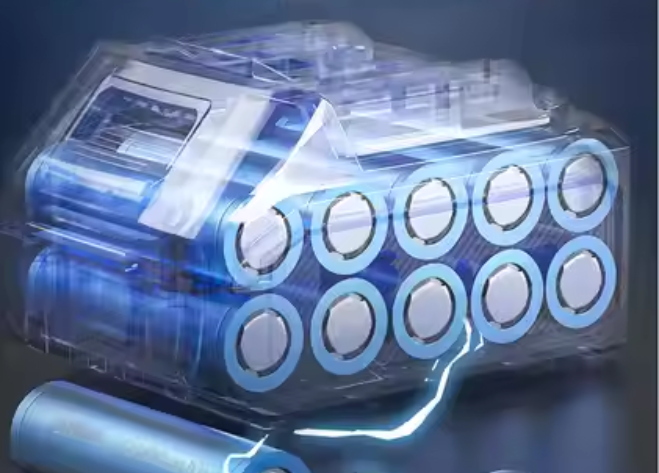
Let’s talk corded vs. cordless. Corded circular saws are generally cheaper and deliver steady power. But cordless ones? They win big on convenience—no cords to tangle or get in your way. If your budget allows, definitely go cordless.
Circular saws come in different sizes, typically from 5½” to 10½”. For beginners, a 7¼” circular saw is the sweet spot. It’s easy to handle and gives you a decent cutting depth of around 2½”, which should cover most of your needs.
And did you know? Circular saws can cut more than just wood. With the right blade, you can also tackle fiberglass, metal, stone, brick, tile—you name it!
2. Power Drill
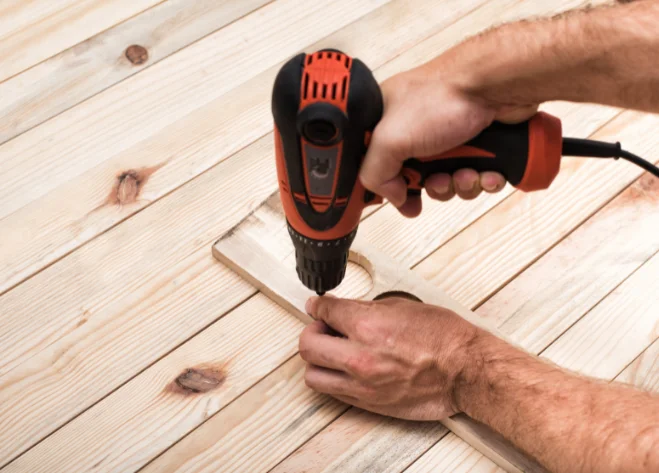
A power drill is one of the most common power tools out there—and for good reason. It’s at the heart of almost every DIY project.
Whether you’re drilling holes, driving screws, hanging curtains, putting up shelves, building furniture, or installing a deck—a power drill is your go-to tool.
Let’s break it down: there’s the drill/driver and the impact driver. A drill/driver is super versatile—it drills holes and drives screws. An impact driver is smaller, packs more torque, but it’s mainly for driving screws. Drill/drivers use a chuck to hold different bits, while impact drivers use a collet.
Do you need both? If you’re a pro builder driving big screws all day, then sure, an impact driver is handy. But for everyday DIYers, a good drill/driver is more than enough.
Same as before—corded vs. cordless. Cordless is just easier to use. No cords, no limits. Just be ready to pay a bit more for that freedom.
3. Sander
Say goodbye to long, boring hours of hand-sanding. With a power sander, you’ll boost your sanding speed and the final finish.
A power sander is great for stripping paint, removing rust, and smoothing out wood surfaces. It’s an essential tool to get your projects looking clean and polished.
For beginners, I’d go with a random orbital sander. It has a round sanding pad that moves in small, random circles, which helps avoid those annoying swirl marks. Most orbital sanders also have variable speed, so you can adjust it based on your task.
4. Miter Saw
Need to make precise crosscuts at specific angles? Then a miter saw is your new best friend. It’s perfect for repeated precision cuts—like picture frames or trim work.
You don’t have to go all out and buy a sliding compound miter saw right away. A basic one that cuts up and down and rotates up to 45 degrees is great for most beginner projects.
Sliding arms give you more reach, but they also add weight and cost. Some miter saws tilt both ways, which makes complicated cuts easier.
5. Trim Router
A trim router is a flexible little tool that adds a polished, professional look to your woodworking projects.
You can use different bits to shape edges—like roundovers or chamfers. It’s also great for cutting slots, making grooves, or even adding cool designs.
Want to take it to the next level? Consider using a router table. You can buy one or build your own. A router table opens up tons of new project possibilities.
Trim routers come in corded and cordless versions. I recommend cordless—it’s just more convenient, and you don’t have to worry about cords getting in the way.
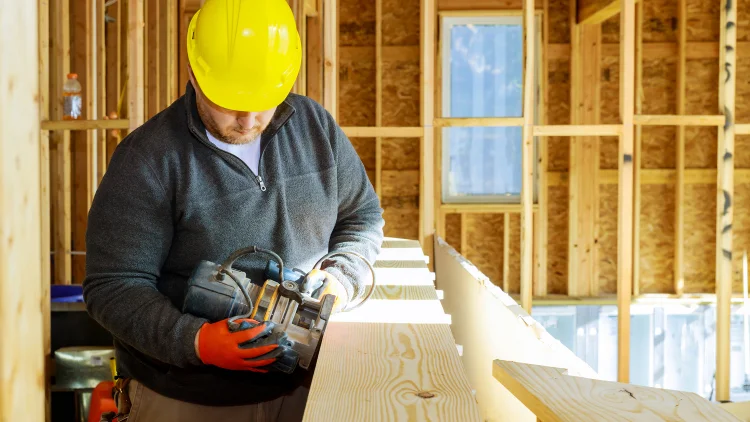
Safety First!
Power tools can be dangerous, so always wear the right protective gear, including:
- Safety glasses
- Hearing protection
- Dust mask
Summarize
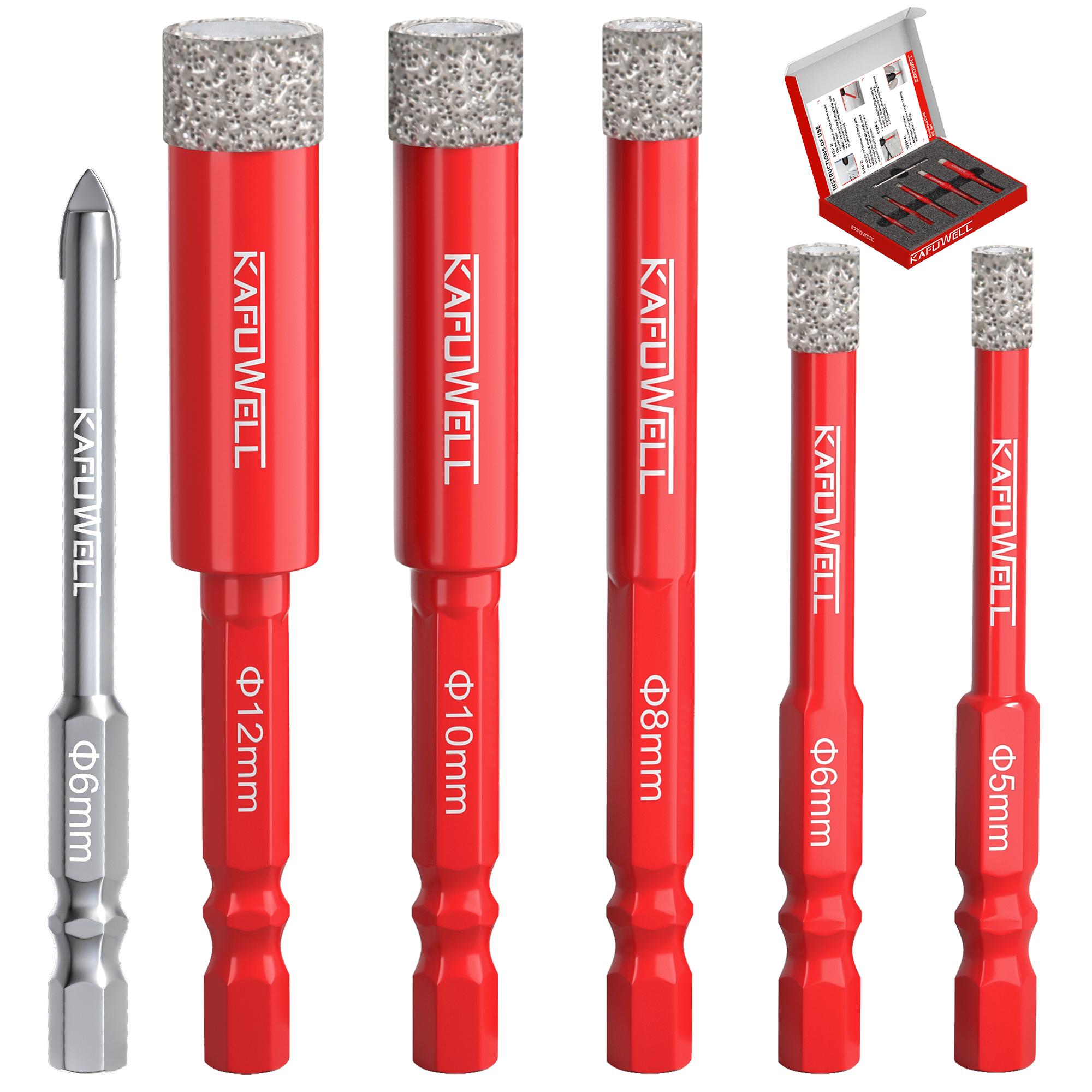
So those are the five essential power tools every beginner woodworker should own. With these in your toolkit, you’re ready to take the first step in your DIY journey. Want to take things further? Head over to Kafuwell’s official website and explore even more reliable and practical tools!